
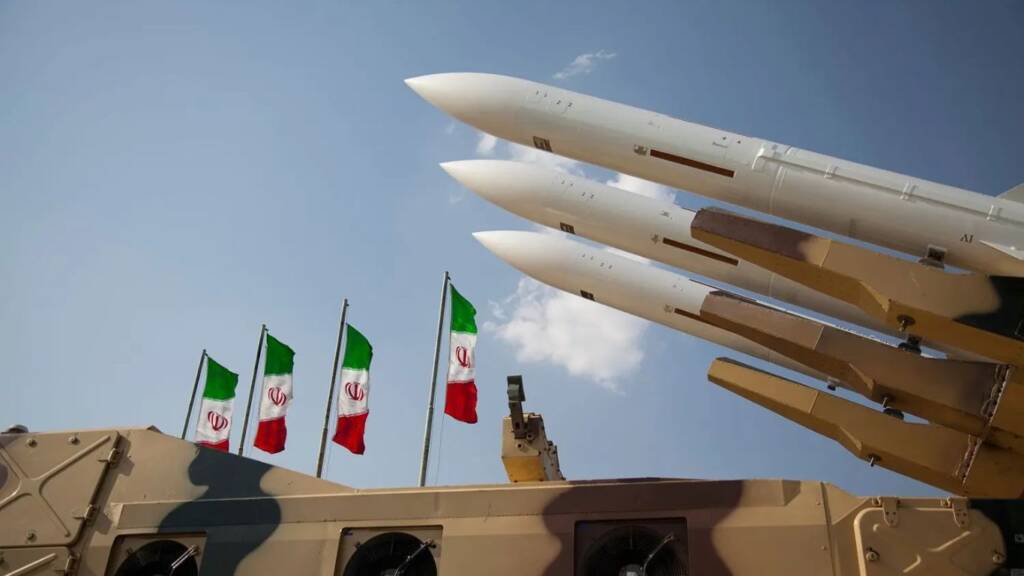
A recent report has emerged which says Iran has begun offering to sell advanced weapons systems, including ballistic missiles, drones and naval platforms, to foreign governments in exchange for cryptocurrency. According to media reports, Iran is trying to use barter and non-traditional payment methods to do so. This reflects Tehran’s growing efforts to bypass Western sanctions and access hard currency outside the formal banking system to debunk the current dollar-based system.
At the centre of the offer is the Ministry of Defence Export Center, known as Mindex, which presents itself as the official export arm of Iran’s defence ministry. The agency advertises more than 3,000 military products, ranging from small arms and rockets to missiles, warships, radar systems and drones. Notably, its payment terms explicitly allow settlement through “digital currencies”, local currencies of buyer countries and barter arrangements, alongside conventional bank transfers.
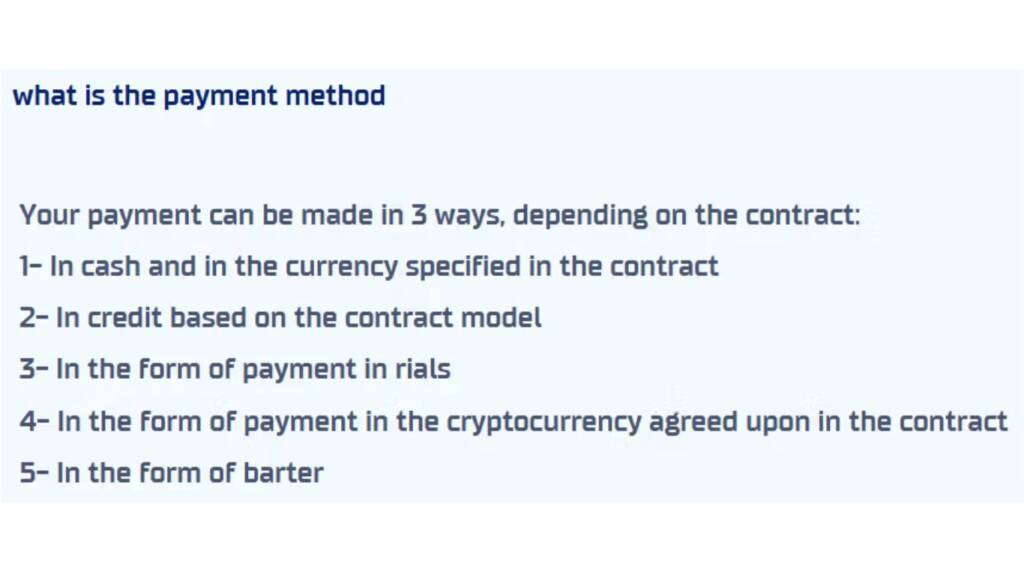
According to the report, Mindex’s online platform is hosted on an Iranian cloud provider already blacklisted by the US. Moreover, the portal claims decades of experience in overseas arms sales and says it works with dozens of foreign clients. Its frequently asked questions section reassures potential buyers that Iran’s policies on “circumvention of sanctions” ensure smooth implementation of contracts and rapid delivery of weapons.
In recent months, Mindex has openly marketed systems such as Emad ballistic missiles, Shahed drones, Shahid Soleimani-class warships and short-range air defence platforms. Some of these weapons, Western governments and UN reports have previously alleged, have been supplied to Iran-backed militant groups across West Asia. Meanwhile, the website also includes conditions on how weapons may be used during wars, although it notes that such terms are negotiable.
Also Read: Iranian Protests Expand Beyond Economy as Students Demand Freedom and End to Islamic Regime Rule
However, US officials have repeatedly warned that entities dealing with Iran’s defence sector risk secondary sanctions. The Ministry of Defence and Armed Forces Logistics, to which Mindex is affiliated, has been under US sanctions since 2007. Furthermore, Washington has recently targeted Iran-linked “shadow banking” and crypto networks accused of facilitating oil and weapons transactions outside the global financial system, stressing that digital currencies do not provide immunity from enforcement.
At the same time, Iran’s push into alternative payment channels comes amid deep economic stress at home. The Iranian rial has sharply depreciated over recent years, inflation remains high and foreign investment has declined due to sanctions. As a result, rising living costs and unemployment have fuelled widespread public dissatisfaction, triggering repeated waves of protests across the country. These economic pressures have increased Tehran’s urgency to secure foreign revenue, including through defence exports.
Meanwhile, shifts in the global arms market have created new opportunities for Iran. Russia’s arms exports have dropped significantly due to the Ukraine war, and analysts say this has opened space for alternative suppliers. In this context, Iran ranked 18th globally in major arms exports in 2024, according to the Financial Times. Consequently, some Western think tanks have warned that Iran could emerge as a more prominent weapons exporter unless countered.
Meanwhile, protests across the nation are intensifying. People in all major cities are on the street. The US President Donald Trump has issued a stark warning to the Iranian government, saying, “If Iran shoots or violently kills peaceful protesters, which is their custom, the US will come to rescue them.”
This has added a new layer of problems for Iran as the US just last year attacked Iran and destroyed the Iranian nuclear facilities. The politics in West Asia is already boiling, and one should keep an open eye in the region.