
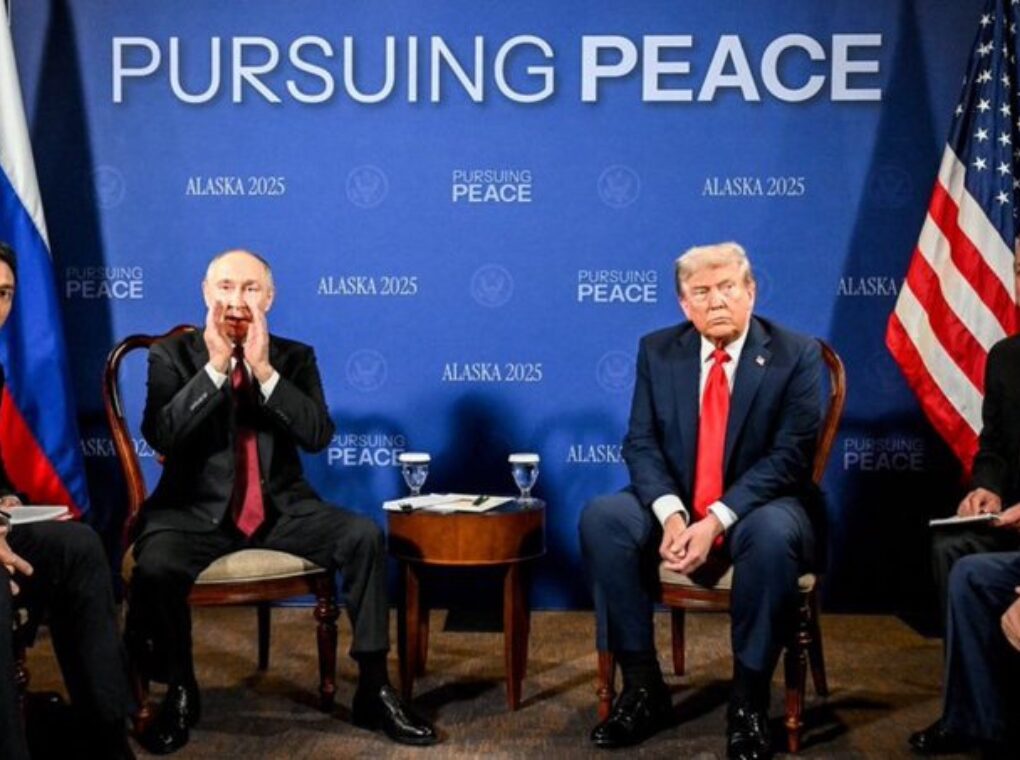
As the Russia–Ukraine war enters another uncertain year, a growing body of investigative reporting and expert commentary is raising uncomfortable questions about the true nature of Western involvement in the conflict. While the United States and its NATO allies publicly project themselves as mediators pushing for de-escalation, recent disclosures suggest a parallel reality—one marked by covert intelligence operations, targeted strikes on Russian energy infrastructure, and strategic escalation carried out behind the scenes.
At the center of this controversy are allegations that the U.S. Central Intelligence Agency (CIA), with political approval from President Donald Trump, has quietly supported and refined Ukraine’s campaign of drone strikes against Russian oil refineries, fuel depots, and the so-called “shadow fleet” of oil tankers operating in the Black Sea and Mediterranean. These operations reportedly intensified even as Washington presented itself as a neutral broker in peace negotiations between Moscow and Kyiv.
Evolution of Ukraine’s Drone Warfare
Ukraine’s use of drones has evolved dramatically since the early stages of the war. Initial attacks were often symbolic, aimed at demonstrating reach rather than inflicting sustained strategic damage. However, by mid-2025, Ukrainian strikes began targeting highly specific components within Russian oil refineries—critical elements that, when destroyed, could halt production for weeks.
According to multiple intelligence-linked reports, this shift was not accidental. U.S. intelligence specialists allegedly helped identify vulnerable points in Russia’s energy infrastructure, transforming Ukraine’s drone campaign into a tool of economic warfare. Similar assistance is believed to have extended to identifying and tracking vessels in Russia’s “shadow fleet,” which Moscow uses to bypass Western sanctions on oil exports.
These actions, while deniable, had tangible consequences. Russian refining capacity declined, fuel shortages appeared in some regions, and oil export routes became riskier and more expensive.
Trump’s Contradictory Role
President Trump’s role adds a layer of complexity. Publicly, Trump criticized U.S. involvement in Ukraine and repeatedly positioned himself as a deal-maker capable of ending the war quickly. Privately, however, reports suggest he approved expanded intelligence cooperation that allowed Ukraine to continue striking economically sensitive Russian targets.
U.S. officials have described this approach as leverage-building—using economic pressure to force concessions at the negotiating table. The logic is straightforward: weakening Russia’s revenue stream could limit its ability to sustain the war. Yet the optics are troubling. Strikes reportedly continued even during periods when ceasefires or confidence-building measures were being discussed.
This dual posture—mediation in public, escalation in private—has fueled accusations of hypocrisy and bad faith, particularly from Moscow and critics of Western policy.
The Putin Residence Controversy
Tensions escalated further following Russian claims that Ukrainian drones targeted President Vladimir Putin’s residence. Moscow framed the incident as a direct attempt on the Russian leader’s life. Washington swiftly rejected this narrative, stating that Ukraine had struck a nearby military installation and that Russia’s claim was misleading.
The incident underscores the growing information war surrounding the conflict. Each side accuses the other of deception, and the truth is often obscured by secrecy and propaganda. Regardless of intent, such incidents carry serious escalation risks, especially when they involve symbols of state leadership.
Economic and Strategic Impact on Russia
The impact of these covert operations has been significant. Estimates suggest Russia has lost tens of millions of dollars per day due to disrupted refining and export operations. Oil and gas revenues remain central to Russia’s state budget, funding both social spending and military operations.
Militarily, the economic strain compounds Russia’s battlefield challenges. While Moscow continues to hold substantial Ukrainian territory, its advances have slowed, and casualties have mounted. In response, Russia has intensified missile, and drone strikes on Ukrainian infrastructure, deepening the cycle of retaliation.
NATO, Deniability, and the Legal Grey Zone
Officially, NATO maintains that it is not directly attacking Russia. However, intelligence sharing, satellite data, and targeting analysis blur the line between support and participation. This ambiguity allows Western governments to maintain plausible deniability while still shaping the battlefield.
From a legal and ethical standpoint, targeting energy infrastructure occupies a grey area. While such facilities can be legitimate military targets, their destruction often affects civilians, raising concerns under international humanitarian law.
Diplomacy in the Age of Covert War
The allegations surrounding the CIA’s role in Ukraine’s energy strikes highlight a broader paradox of modern conflict: diplomacy and escalation now operate simultaneously. Negotiations unfold alongside covert campaigns designed to improve bargaining positions rather than end hostilities outright.
Whether this strategy ultimately shortens the war or entrenches it further remains unclear. What is evident, however, is that trust—essential for any lasting peace—has eroded. As long as shadow operations continue alongside public calls for dialogue, skepticism will persist about the sincerity of peace efforts and the true intentions of the powers involved.