
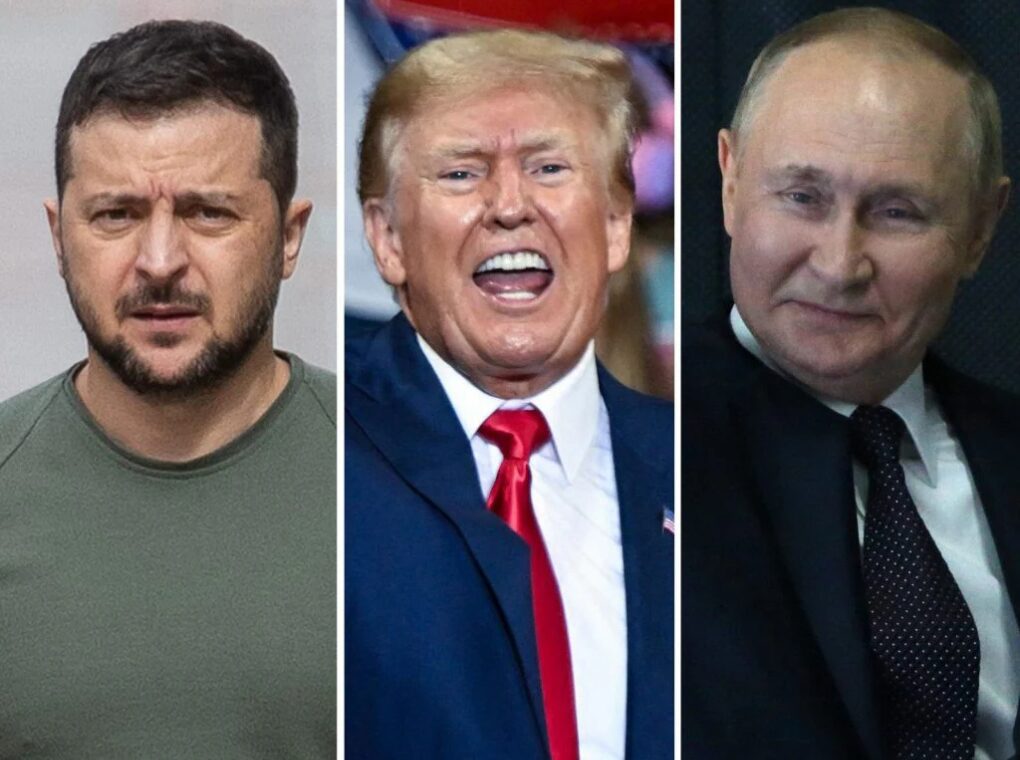
Efforts to end the Russia–Ukraine war may be entering a decisive phase, but a new diplomatic wrinkle is drawing global attention. Discussions surrounding US security guarantees for Ukraine are reportedly becoming tied to the question of territorial concessions in the Donbas region, raising serious political, military, and strategic concerns.
At the heart of the debate is whether Ukraine might be pressured to give up control of parts of eastern Ukraine in exchange for long-term Western protection. The issue has become one of the most sensitive topics in ongoing peace negotiations and could shape the future security architecture of Europe.
Why Donbas Is Central to Peace Talks
The Donbas region, which includes the Donetsk and Luhansk areas, has been the epicenter of conflict since 2014. Rich in heavy industry, natural resources, and critical infrastructure, Donbas has both economic and military importance.
Russian forces currently control most of the territory, but Ukraine still holds key defensive cities that serve as strategic strongholds. These urban centers help shield central and western Ukraine from deeper advances. Losing them could significantly weaken Ukraine’s defensive depth.
From Moscow’s perspective, full control of Donbas would solidify territorial gains and strengthen its bargaining position. For Kyiv, surrendering land — especially after years of war and sacrifice — carries enormous political and emotional consequences.
The Debate Over US Security Guarantees
The reported diplomatic framework suggests that future US military and security guarantees may depend on the outcome of peace negotiations with Russia. This has sparked concern in Kyiv, where leaders argue that security commitments should come first, not after territorial decisions.
Ukraine’s fear is straightforward: without firm guarantees in place, any ceasefire could allow Russia time to regroup, rebuild its military capacity, and strike again later. Kyiv wants security promises that are clear, binding, and difficult to reverse.
Potential guarantees could include:
Long-term military aid
Weapons transfers and training programs
Intelligence sharing
Commitments resembling NATO’s collective defense principles
However, full NATO membership for Ukraine remains politically complicated, and alternative models of protection are now under discussion.
Land for Security: A Risky Trade-Off
The idea of trading land for security is controversial both inside Ukraine and among its allies. Public opinion in Ukraine strongly opposes formally giving up territory, particularly in regions where civilians have suffered heavily and cities have been devastated.
There are also legal and constitutional hurdles. Territorial concessions could require national referendums or parliamentary approval, making any such decision politically explosive.
From a strategic standpoint, critics argue that rewarding territorial conquest may send a dangerous signal globally. If a country can gain land through force and later secure recognition through negotiations, it could undermine international norms that protect national sovereignty.
Supporters of compromise counter that prolonged war carries immense human and economic costs. They argue that a ceasefire backed by strong international guarantees might save lives and stabilize the region, even if the settlement is imperfect.
Military Implications for Ukraine
The security of the remaining Ukrainian-held cities in Donbas is about more than symbolism. These areas form part of a fortified defensive line that helps block Russian advances toward the Dnipro River and central Ukraine.
If Russia were to gain full control without strict demilitarization or monitoring measures, it could improve Moscow’s ability to project power westward in the future. That possibility is one reason Ukraine insists that any territorial arrangement must be tied to strict security mechanisms, including limits on military deployments.
Proposals under discussion have reportedly included:
Demilitarized buffer zones
International monitoring forces
Special economic or administrative arrangements
But major disagreements remain over sovereignty, enforcement, and long-term control.
What This Means for Global Security
The outcome of these negotiations will have implications far beyond Ukraine. The war has already reshaped NATO strategy, European defense spending, and global energy markets. A settlement perceived as forced or unjust could create lasting instability.
For the United States, the challenge is balancing support for Ukraine with the risks of deeper military commitments. Offering strong guarantees without becoming directly involved in another war with Russia is a delicate diplomatic equation.
For Europe, the stakes are existential. A weak or ambiguous settlement could leave the continent facing renewed conflict in the future.
A Defining Moment in the War
As negotiations continue, the central question remains: Can Ukraine secure lasting protection without surrendering sovereignty? The answer will determine not only the end of this war but also the future rules of international security.
Whether security can truly be exchanged for territory is now one of the most critical geopolitical questions of the decade. The decisions made in the coming months may shape the balance of power in Europe for generations.