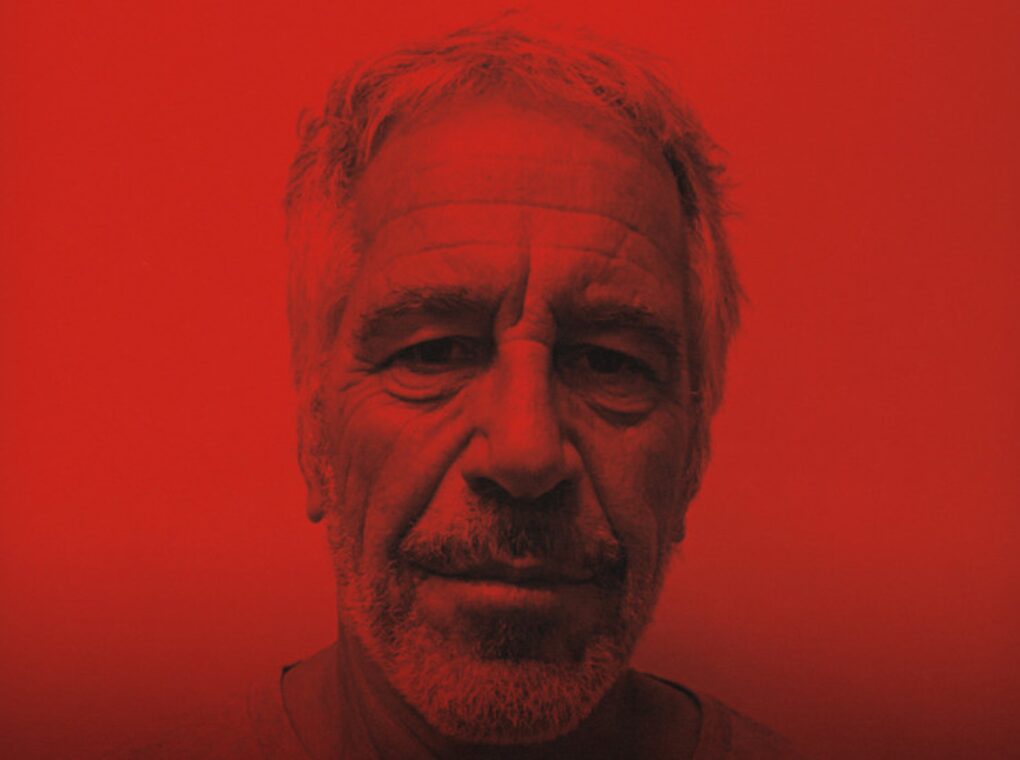
The Jeffrey Epstein scandal has long been associated with wealth, power, and secrecy. Years after he died in a New York jail cell, newly discussed documents and resurfaced email exchanges are once again pushing his name into the center of global political speculation. This time, the conversation stretches far beyond the United States — reaching into Ukraine, Russia, and allegations involving influential political and financial figures.
At the heart of the latest controversy are claims about a 2019 email exchange between former U.S. Treasury Secretary Larry Summers and Jeffrey Epstein. In the correspondence, Summers reportedly referenced Ukraine, mentioning his familiarity with the country through conferences hosted by Ukrainian oligarch Viktor Pinchuk and financial matters during Natalie Jaresko’s tenure as finance minister. Epstein’s alleged reply included a striking line: that Russian President Vladimir Putin was “dismissive,” claiming Ukrainian President Volodymyr Zelensky was “run by Israelis.”
There is, however, no publicly verified evidence confirming the authenticity or context of this specific quote. If genuine, it would represent Epstein relaying second-hand geopolitical gossip rather than offering proof of political control or intelligence insight. Still, the phrase has circulated widely online, fueling debate and competing narratives about foreign influence in Ukraine.
Epstein and Ukraine: Coincidence or Connection?
The documents being discussed also claim Epstein had multiple interactions connected to Ukraine around the time of Zelensky’s 2019 election. References allegedly show Epstein in Kyiv in early 2019 and corresponding with prominent global elites about political and economic developments in the region.
It is important to note that Epstein was known for cultivating relationships with powerful individuals across politics, finance, academia, and science. His pattern often involved inserting himself into elite circles, sometimes exaggerating his influence. Being present in political or economic environments does not automatically indicate operational involvement in state affairs. However, the optics of his proximity to sensitive regions during pivotal political moments continue to attract scrutiny.
Former Ukrainian President Petro Poroshenko is also reportedly mentioned multiple times in the same batch of documents, further deepening speculation that Epstein sought connections across Ukraine’s political spectrum. Whether this reflected genuine influence or simply social opportunism remains unclear.
Claims of Broader Political Scheming
Another thread drawing attention involves alleged discussions about Russian opposition figures. One email cited in online discussions describes a suggestion that Epstein meet Ilya Ponomarev, a Russian politician known for opposing the annexation of Crimea. The message allegedly portrayed Ponomarev as a future challenger to Putin.
Even if authentic, such conversations would not prove Epstein was orchestrating geopolitical events. Rather, they may show him engaging in high-level political talk — something he often did to enhance his perceived importance among elites.
Ukraine as a “Wild West” for Controversial Projects?
Perhaps the most explosive allegations concern Epstein’s supposed interest in scientific and genetic experimentation projects outside U.S. regulatory oversight. One email thread frequently cited involves a proposal for gene-editing research tied to “designer baby” concepts. Ukraine is mentioned in these discussions as a possible location for laboratory work.
There is no public proof that such projects ever advanced beyond discussion stages. Still, the idea aligns with Epstein’s documented fascination with transhumanism, eugenics, and elite-driven genetic theories — interests he openly discussed with scientists before his arrest.
Separate allegations tie Ukraine to broader criminal networks, including human trafficking and illegal organ trade — issues that international watchdog groups have indeed flagged in parts of Eastern Europe over the years. However, linking Epstein directly to such operations in Ukraine remains speculative and unproven.
Information War and Competing Narratives
The renewed focus on Epstein is unfolding against the backdrop of the ongoing Russia-Ukraine conflict and a global information war. Competing political factions use fragments of documents, leaked communications, and unverified claims to support broader narratives — whether about Western interference, Russian propaganda, or hidden elite networks.
The line attributed to Putin about Zelensky being “run by Israelis” has become a flashpoint in this struggle. Some interpret it as evidence of hidden geopolitical alliances, while others view it as disinformation amplified to sow division.
The Bigger Picture
What is clear is that Epstein’s network reached extraordinary levels of influence across multiple countries. His ability to access politicians, billionaires, scientists, and royalty created an environment where rumor, ambition, and secrecy mixed freely.
But the existence of connections does not automatically confirm the most dramatic conclusions now circulating online. Many of the current claims rely on partial documents, anonymous sources, or interpretations layered onto ambiguous statements.
As more records gradually emerge through legal processes and investigative reporting, separating verified facts from speculation remains crucial. Epstein’s story undeniably intersected with powerful people and sensitive institutions. Whether it also shaped global political events in the ways now being alleged is a question that demands evidence — not just intrigue.
For now, the resurfaced files serve as a reminder of how unresolved the Epstein saga remains, and how easily it can be pulled into today’s geopolitical battles.