
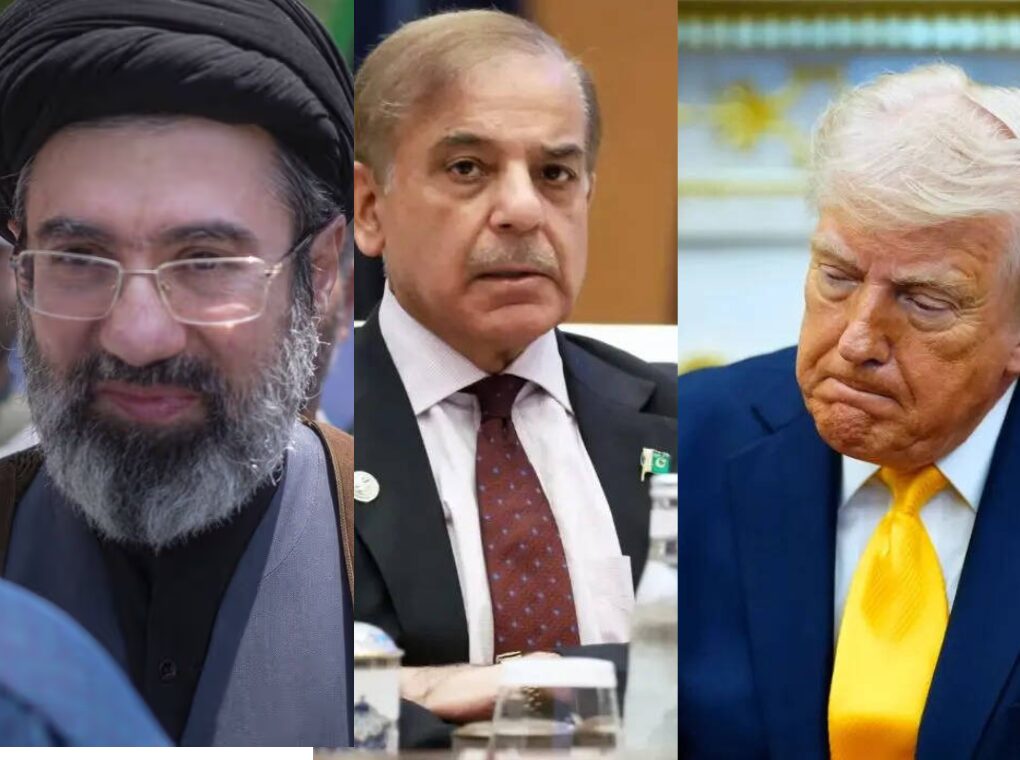
A fragile ceasefire between the United States and Iran, brokered by Pakistan, has temporarily halted escalating hostilities but raised serious questions about the credibility of the mediation process, conflicting negotiation terms, and widening regional fault lines.
Announced in early April 2026, the truce aimed to create a two-week window for diplomacy following heightened military tensions. However, instead of stabilizing the situation, the agreement has revealed stark inconsistencies between the positions of Washington and Tehran, while also triggering unease among key regional players such as the United Arab Emirates.
Conflicting Frameworks Raise Concerns
At the core of the controversy are reports of mismatched negotiation proposals conveyed through Pakistani channels. Iranian officials are said to have submitted a 10-point framework that explicitly affirms Tehran’s “right to uranium enrichment,” a longstanding pillar of its nuclear policy.
However, diplomatic sources suggest that versions of the proposal shared with US officials may have either excluded or softened references to enrichment, a discrepancy that has fueled speculation about miscommunication or selective transmission of terms.
The divergence is significant. For Washington, any agreement that allows Iran to continue enrichment activities remains unacceptable. Conversely, Tehran considers this right non-negotiable. The absence of alignment on this critical issue underscores the challenges facing the ceasefire process.
Pakistan’s Role Questioned
Pakistan’s involvement as a mediator has come under increasing scrutiny amid these inconsistencies. Prime Minister Shehbaz Sharif played a visible role in announcing the ceasefire and advocating de-escalation.
However, controversy erupted after Sharif briefly posted a message on social media that appeared to include the phrase “Draft – Pakistan PM Message,” before it was quickly edited. The incident sparked speculation that the statement may have been prepared externally or influenced by third parties, including US officials.
While Pakistani authorities have not addressed these claims directly, analysts note that Islamabad’s close ties with Washington, combined with its strategic balancing act in the region, have contributed to perceptions that it may not be acting as a fully neutral intermediary.
Iran Links Talks to Lebanon Situation
Further complicating the situation, Iran has refused to participate in follow-up negotiations hosted in Pakistan, citing ongoing Israeli military operations in Lebanon. Iranian officials have emphasized that any meaningful ceasefire must extend beyond direct US-Iran hostilities to include a halt to strikes in Lebanon.
Pakistan has indicated that the ceasefire applies broadly across the region. However, both the United States and Israel have suggested that operations in Lebanon are separate from the agreement, highlighting a critical gap in interpretations.
This disagreement has placed the truce under strain, with Iran warning that continued military activity in Lebanon could lead to a complete breakdown of the ceasefire.
Allegations and Trust Deficit
Amid the confusion, unverified allegations have emerged suggesting that sensitive Iranian information could have been compromised during the mediation process. While no credible evidence has substantiated these claims, they have contributed to a growing trust deficit between the parties.
Experts caution that such perceptions—regardless of their accuracy—can significantly undermine diplomatic efforts. The success of any mediation initiative depends heavily on the confidence of all stakeholders, which appears increasingly fragile in this case.
UAE Seeks Clarifications
The ceasefire has also generated concern in the Gulf, particularly in Abu Dhabi. The UAE, a close US partner, has expressed dissatisfaction over what it views as a lack of consultation during the negotiation process.
Officials in the United Arab Emirates have called for urgent clarifications regarding the terms of the agreement, including guarantees related to maritime security in the Strait of Hormuz and mechanisms to ensure Iran’s compliance.
The development has sparked broader questions about Washington’s regional strategy, with some analysts suggesting that the US may be prioritizing short-term de-escalation with Iran over deeper coordination with its Gulf allies.
Fragile Path Ahead
Despite the announcement of the ceasefire, the underlying issues driving tensions remain unresolved. These include Iran’s nuclear program, regional proxy conflicts, missile capabilities, and broader geopolitical rivalries.
The lack of a unified framework—combined with conflicting interpretations of the agreement—has led to uncertainty about the durability of the truce. While the pause in hostilities offers a temporary reprieve, analysts warn that without substantive progress in negotiations, the risk of renewed escalation remains high.
Pakistan’s diplomatic initiative, while significant, now faces a critical test. Its ability to maintain credibility as a mediator will depend on whether it can bridge the widening gap between the parties and facilitate a more coherent negotiation process.
For now, the ceasefire stands as a tenuous and incomplete step toward de-escalation, with multiple actors pursuing divergent objectives. As regional tensions persist and trust continues to erode, the prospects for a lasting resolution remain uncertain.