TFIGlobal
TFIGlobal
[tfi_websites]
No Result
View All Result
  • Indo-Pacific
  • Americas
  • Canada
  • Indian Subcontinent
  • West Asia
  • Europe
  • Africa
  • The Caribbean
TFIGlobal
  • Indo-Pacific
  • Americas
  • Canada
  • Indian Subcontinent
  • West Asia
  • Europe
  • Africa
  • The Caribbean
No Result
View All Result
TFIGlobal
TFIGlobal
No Result
View All Result
  • Indo-Pacific
  • Americas
  • Canada
  • Indian Subcontinent
  • West Asia
  • Europe
  • Africa
  • The Caribbean

Trump Rejects Iran’s Peace Plan, keeps Naval Blockade as Talks Continue through Mediators

Ashu Maan by Ashu Maan
September 29, 2026
in Geopolitics, Iran War
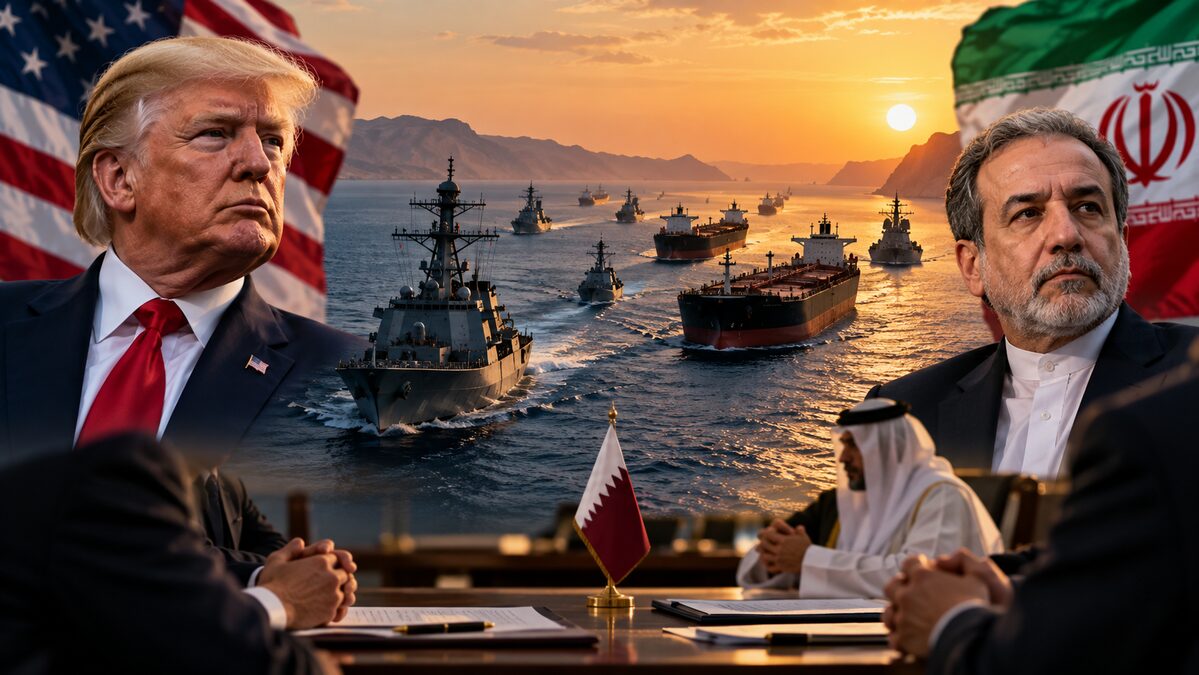
US and Iran officials face each other as warships and oil tankers move through a strategic strait, with Qatari mediators facilitating peace talks.
Share on FacebookShare on X

American and Iranian officials spoke separately with mediators on Monday in a renewed effort to end a war that has now run for seven months. President Donald Trump has rejected Iran’s latest peace plan, put forward on Saturday, and kept the US naval blockade in place, though he expects further talks this week.

Iran awaits a response

Iranian Foreign Minister Abbas Araghchi stayed on in New York after the UN General Assembly and met Qatari mediators there on Monday. He said he expects a response from Washington by Tuesday. According to Iran’s state news agency, he said Iran is waiting for the American reply to its proposals, and insisted that Iran had already “presented that solution.” He also said Iran will reopen the Strait of Hormuz only once Washington meets its conditions.

Also Read

US Navy Birthday: 251 Years of Sea Power Under Strain

Why Ukraine Elections Remain Unlikely Despite Zelensky’s Offer

Iran Hormuz Proposal: Why Tehran Calls US Reply ‘Insufficient’

US envoys Steve Witkoff and Jared Kushner received Iran’s terms from Araghchi in New York last week, with Qatari officials relaying messages between the two delegations. Tehran’s seven-point plan calls for an end to all fighting in Iran and Lebanon, the release of billions of dollars in frozen assets, an end to oil sanctions and a lift on the blockade of Iranian ports. Only after that would Iran reopen the strait, a key route for global oil, and the two sides would then resume talks on Iran’s nuclear programme. Trump wants to seize or destroy Iran’s stockpile of highly enriched uranium.

Trump’s position on Iran

Trump said at the White House: “I like making a deal, too, but that deal would not be acceptable.” He argued that economic pressure is driving Tehran’s push for a quick deal, telling reporters: “They overplayed their hand,” and adding that Iran is now offering terms he might have accepted a year ago. He also denied reports that he had offered Tehran sanctions relief in exchange for nuclear concessions, writing on Truth Social: “This is untrue. I offered them NOTHING.”

The blockade and the numbers

US forces continue to protect dozens of tankers crossing the strait each day. A US defence official said 22 million barrels moved through the strait on Friday night alone, and Middle Eastern crude exports have climbed to near their highest level since the war began. American negotiators have told Tehran that Iran holds no real control over the strait.

According to reports, Washington has no plans to lift the blockade, and the administration is betting that continued economic pressure will push Tehran toward American terms. Trump has told aides he expects strikes to resume after the November midterms, though officials say he has not made a final decision on renewed combat. Asked about fresh strikes, Trump said the option never leaves his mind.

Qatari officials continue shuttle diplomacy between the two sides. Qatar’s prime minister met the Iranian president in New York last week, and senior Qatari officials briefed Witkoff afterward. The mediators have since offered both sides a compromise text, and an official familiar with the negotiations said talks will now focus on an amended Iranian plan.

Seven months of war

The conflict began in late February when the United States and Israel struck Iran. The fighting has killed thousands and rattled global markets. Washington and Tehran twice agreed to ceasefires through mediators, in April and June, and both fell apart quickly.

Brent crude rose more than three per cent on Monday, topping $101 a barrel. Higher fuel prices have added to voter frustration ahead of the November midterms, and Republicans in Congress are concerned about holding their majorities. Araghchi said the midterms play no part in Iran’s calculations.

Tags: Abbas AraghchiDonald TrumpIran WarQatar mediationStrait of HormuzUS-Iran talks
ShareTweetSend
Ashu Maan

Ashu Maan

Ashu Mann is an Associate Fellow at the Centre for Land Warfare Studies. He was awarded the Vice Chief of the Army Staff Commendation card on Army Day 2025. He is pursuing a PhD from Amity University, Noida, in Defence and Strategic Studies. His research focuses include the India-China territorial dispute, great power rivalry, and Chinese foreign policy.

Also Read

Chinese parts are powering Houthi missiles that can reach Israel, raising questions about Beijing’s links with the Houthis despite China’s extensive Saudi oil trade.

China and the Houthis: Why Beijing Risks Its Saudi Oil Ties

October 16, 2026
Israel strikes on Houthis in Yemen amid potential Saudi-Israeli military coordination and rising tensions across the Red Sea.

Why Netanyahu Wants a Saudi Nod for Israeli Strikes on the Houthis

October 13, 2026
Saudi Crown Prince bunker amid Houthi missile attacks on Riyadh, highlighting Saudi Arabia’s security challenges and the historical shadow of Egypt’s Yemen war.

The Prince in the Bunker: Is MBS Walking Into Nasser’s Yemen Trap?

October 13, 2026
Iran Hormuz proposal amid US-Iran tensions, with oil tankers and warships navigating the strategically vital Strait of Hormuz at sunset.

Iran Hormuz Proposal: Why Tehran Calls US Reply ‘Insufficient’

October 12, 2026
Elon Musk oligarch at the centre of a geopolitical debate over Starlink, US tariffs, satellite internet expansion, and double standards in global trade.

Elon Musk, Oligarch: Starlink, Tariffs and Double Standards

October 11, 2026
Iceland after Greenland: Donald Trump overlooks Reykjavik as Iceland’s flag flies above a strategic Arctic landscape featuring a military airbase, naval vessel and snow-covered mountains.

Iceland after Greenland: is Reykjavik Trump’s next target?

October 11, 2026
Youtube Twitter Facebook
TFIGlobalTFIGlobal
Right Arm. Round the World. FAST.
  • About Us
  • Contact Us
  • TFIPOST – English
  • TFIPOST हिन्दी
  • Careers
  • Brand Partnerships
  • Terms of use
  • Privacy Policy

[tfi_copyright]

Welcome Back!

Login to your account below

Forgotten Password?

Retrieve your password

Please enter your username or email address to reset your password.

Log In

Add New Playlist

No Result
View All Result
  • Indo-Pacific
  • Americas
  • Canada
  • Indian Subcontinent
  • West Asia
  • Europe
  • Africa
  • The Caribbean
[tfi_websites]

[tfi_copyright]

This website uses cookies. By continuing to use this website you are giving consent to cookies being used. View our Privacy and Cookie Policy.