Iran marked the 47th anniversary of its 1979 Islamic Revolution with massive state-organized rallies, anti-U.S. and anti-Israel slogans, and strong displays of military symbolism — all unfolding against a backdrop of deep domestic unrest and rising international tensions.
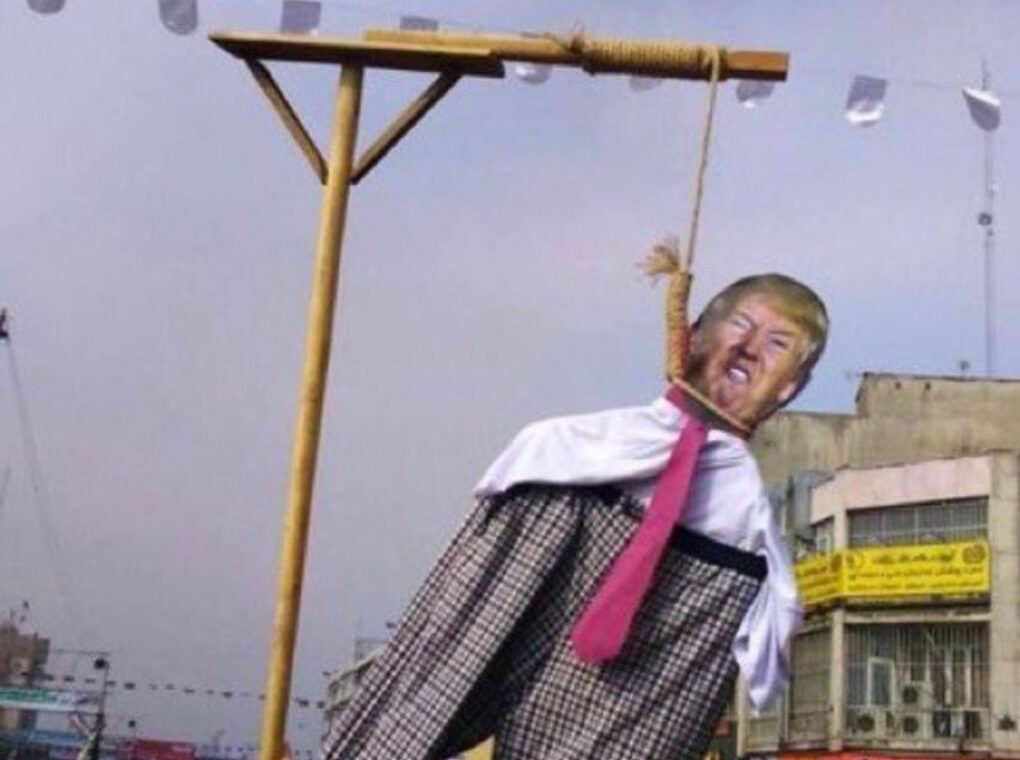
Crowds gathered in Tehran and cities across the country to commemorate the day that brought down the Western-backed Pahlavi monarchy and established the Islamic Republic under Ayatollah Ruhollah Khomeini. Demonstrators waved Iranian and Palestinian flags, carried portraits of Supreme Leader Ayatollah Ali Khamenei, and chanted “Death to America” and “Death to Israel,” reinforcing the regime’s long-standing ideological posture.
But beneath the spectacle of unity, the anniversary comes at one of the most fragile moments in the Islamic Republic’s history.
A Revolution Anniversary Under Pressure
This year’s celebrations arrive amid unprecedented internal and external strain. Iran is still reeling from large-scale anti-government protests that erupted earlier this year and were met with a severe security crackdown. Human rights groups and international observers say thousands were killed during the unrest, allegations Tehran strongly denies, blaming “foreign-backed rioters.”
At the same time, regional tensions remain high following last year’s direct military confrontations involving Iran, Israel, and the United States. Concerns persist that further escalation could be looming, especially as disputes over Iran’s missile and nuclear programs intensify.
Despite these pressures, authorities sought to project strength and stability. State media described the rallies as another “epic saga,” portraying turnout as proof that the Islamic Republic still commands popular support nearly five decades after the revolution.
Iranian President Masoud Pezeshkian used the occasion to call for national unity, urging citizens to stand together in the face of what he described as “conspiracies from imperial powers.” Senior military and political figures echoed similar themes, framing Iran as under siege but resilient.
Competing Voices Inside Iran
While official imagery showed packed squares and patriotic fervor, dissenting voices were also visible — and audible.
Videos circulating online showed instances where pro-government chants of “Allahu Akbar” were met with counter-slogans such as “Death to the dictator.” Some residents reported feeling uneasy during celebratory fireworks displays, saying the loud explosions evoked memories of recent airstrikes and conflict rather than festivity.
This contrast highlights a widening divide inside Iranian society. A significant segment of the population remains angry and grieving over the deadly protest crackdown, economic hardship, and political repression. For many, the anniversary is a reminder not only of revolutionary ideals, but also of the unfulfilled promises of freedom and prosperity.
Military Symbolism and Anti-U.S. Messaging
Anti-American messaging was especially prominent this year. In Tehran, symbolic coffins representing senior U.S. military officials were displayed at rally sites. Demonstrators burned U.S. and Israeli flags, and state-linked outlets aired footage of missile systems and military hardware, underscoring Iran’s deterrence posture.
Officials described recent unrest and regional conflicts as victories over foreign plots, portraying the Islamic Republic as having survived another chapter of existential threats.
Supreme Leader Ayatollah Ali Khamenei, reportedly facing security concerns, did not appear in person but released a video message urging Iranians to “disappoint the enemy” by participating in the anniversary events.
Echoes of 1979 — And a Forgotten Rescue
Amid today’s tensions, the anniversary also revives memories of one of the most dramatic episodes that followed the revolution: the 1979 U.S. Embassy hostage crisis in Tehran.
On November 4, 1979, Iranian student militants stormed the U.S. Embassy, taking 66 American diplomats and staff hostage. While most were held for 444 days, six U.S. diplomats managed to evade capture — and found refuge in an unlikely place: the homes of Canadian diplomats.
Canadian Ambassador Ken Taylor and diplomat John Sheardown sheltered the Americans for nearly three months. With quiet backing from Ottawa and assistance from the CIA, the group was eventually smuggled out of Iran in January 1980 using Canadian passports and a cover story that they were a film crew scouting locations for a fake science-fiction movie.
The daring escape, later known as the “Canadian Caper,” became a symbol of U.S.–Canada solidarity during a moment of crisis and was dramatized decades later in the film Argo. While Hollywood emphasized the CIA’s role, historians have repeatedly highlighted the personal risk taken by Canadian officials on the ground.
A Complex Moment for Iran — and the World
As Iran marks 47 years since the revolution reshaped its political system and global posture, the country stands at another crossroads. The leadership emphasizes resistance, sovereignty, and ideological continuity. Many citizens, however, are focused on economic survival, political freedoms, and accountability for recent violence.
Internationally, Iran remains central to Middle East geopolitics, nuclear diplomacy, and regional security calculations. The anniversary rallies show that revolutionary symbolism still carries weight — but they also reveal how contested the revolution’s legacy has become at home.
Nearly half a century later, the slogans remain loud, the memories long, and the future uncertain.