
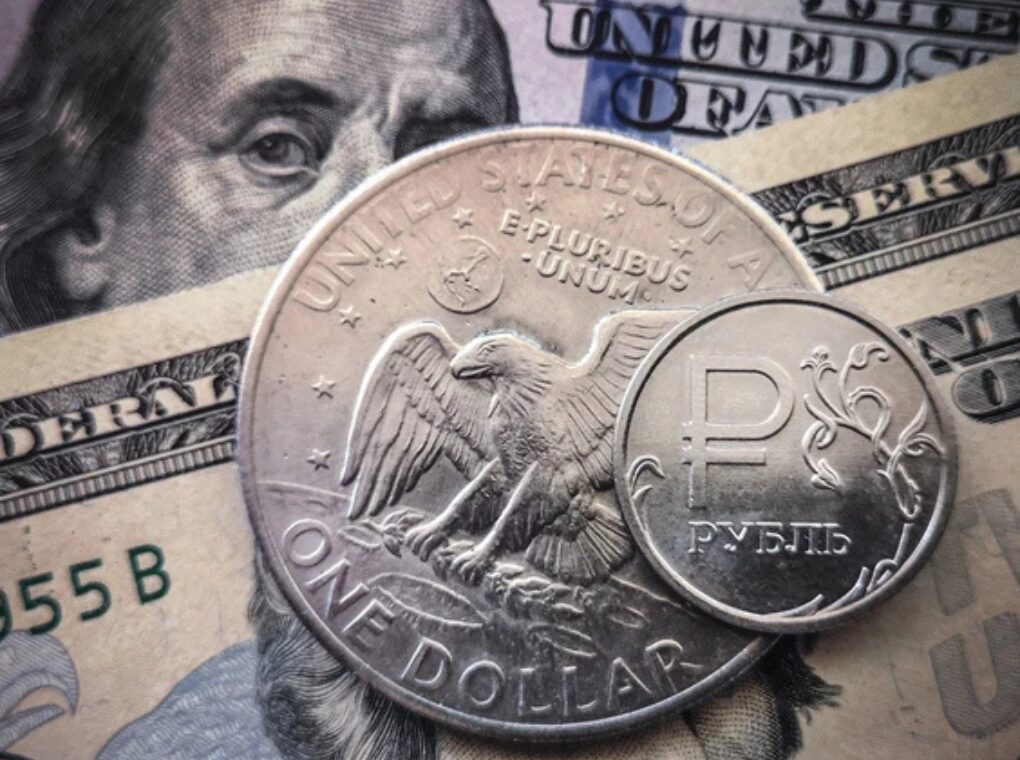
In a striking twist to Russia’s multi-year de-dollarization drive, an internal Kremlin memo proposes re-embracing the US dollar for international settlements as part of a potential economic partnership with the Trump administration. This Bloomberg-reported development, dated February 12, 2026, has sparked global speculation about a major policy reversal — yet Russia’s Central Bank has quickly clarified its stance: it’s not involved and shows no signs of shifting back to dollar reliance.
The memo, circulated among senior officials, outlines seven convergence points for US-Russia economic ties, potentially linked to a Ukraine peace deal. Key highlights include:
Russia’s return to the dollar settlement system, which could stabilize its foreign exchange markets and reduce balance-of-payments volatility.
Joint investments in natural gas, offshore oil, and critical raw materials (like lithium, copper, nickel, and platinum).
Championing fossil fuels over low-carbon alternatives, aligning with Trump’s energy priorities.
Compensation and preferential access for US companies re-entering the Russian market, including recovery of past losses.
This proposal marks a potential U-turn from Moscow’s aggressive push since 2022 sanctions — when Russia was cut from SWIFT and broad dollar restrictions hit — to trade in yuan with China, rupees with India, dirhams with the UAE, and other national currencies. Kremlin officials have long insisted Russia didn’t voluntarily abandon the dollar; US restrictions forced the shift, and any return would require those barriers to lift, allowing the dollar to “compete” fairly.
Central Bank of Russia Draws a Line
On February 13, 2026 — just a day after the Bloomberg story broke — Bank of Russia Governor Elvira Nabiullina addressed the issue directly during a press conference following the central bank’s board meeting. She stated unequivocally that the Central Bank is not participating in any discussions about returning to US dollar payments for exports or broader dollar system re-engagement.
“As regards the potential development of relations with the United States, we as the Central Bank are not participating in it so far in any case,” Nabiullina said, per reports from TASS and Izvestia.
She emphasized that the regulator remains focused on domestic stability, including no expectation of a new inflation wave, amid recent key rate adjustments (lowered to 15.5% from 16%). This positions the Central Bank as detached from geopolitical deal-making, underscoring that any dollar pivot remains speculative and Kremlin-led rather than institutionally endorsed.
Broader Context and Skepticism
The Kremlin memo argues dollar reintegration would benefit both sides: expanding Russia’s FX liquidity while reinforcing the greenback’s global reserve status and potentially leveling energy pricing dynamics with China. Ukrainian President Volodymyr Zelenskiy referenced a related “$12 trillion” economic package (dubbed the “Dmitriev Package” after negotiator Kirill Dmitriev) discussed in parallel with peace talks.
Western analysts remain doubtful. Some view the proposals as tailored bait for Trump — playing to his fossil fuel advocacy and business compensation demands — while unlikely to override Russia’s deepening China ties. Beijing supplies critical components for Russia’s economy and war effort; a full pivot risks alienating its key partner.
De-dollarization efforts continue elsewhere: Russia pushes the digital ruble for BRICS trade to further reduce dollar dependence. Intra-BRICS local-currency trade has risen sharply (60–67% in some estimates), and Moscow’s trade shifts post-2022 remain largely intact.
For now, the Central Bank’s firm “not involved” message tempers excitement. While the Kremlin explores pragmatic options if sanctions ease, Russia’s monetary authority signals continuity: de-dollarization isn’t being abandoned lightly, and the dollar system return isn’t on the central bank’s agenda.
This episode highlights the tension between geopolitical maneuvering and economic pragmatism. Could US-Russia thaw revive dollar dominance in Russian trade, or will Moscow’s alternatives prove more resilient? As negotiations unfold, the Central Bank’s caution suggests any shift would face institutional hurdles — and require concrete sanctions relief first.