Iran is reportedly close to finalizing a major arms deal with China to acquire advanced CM-302 supersonic anti-ship cruise missiles, according to multiple sources familiar with the negotiations. The development comes at a time of heightened tensions in the Gulf region, with the United States deploying powerful naval strike groups near Iran’s coastline.
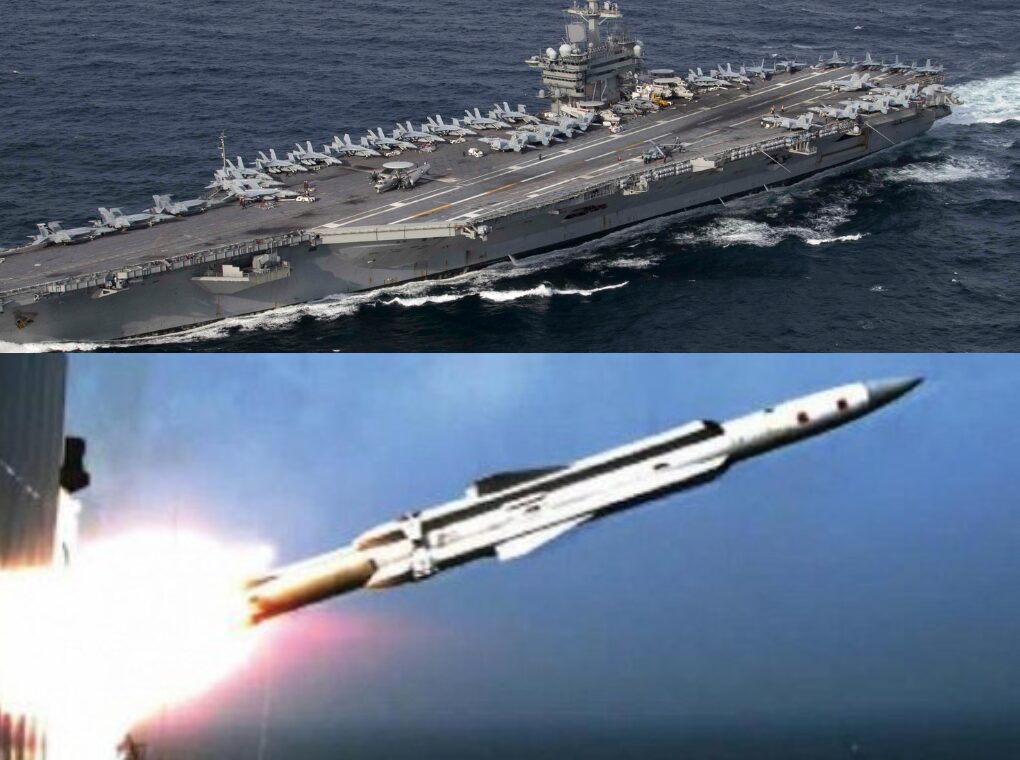
The proposed agreement centres on the Chinese-made CM-302 missile, widely considered one of the most formidable anti-ship weapons available for export. The missile is believed to be the export variant of China’s YJ-12 system and is designed specifically to target large naval vessels, including aircraft carriers and destroyers.
A Strategic Game-Changer
The CM-302 reportedly has a range of approximately 290 kilometres and can travel at speeds exceeding Mach 3. Its low-altitude “sea-skimming” flight profile enables it to evade radar detection and complicates interception efforts by shipborne air defence systems. Defence analysts note that such characteristics make the missile particularly dangerous against high-value naval assets operating in confined waters like the Persian Gulf.
If delivered, the system would significantly enhance Iran’s anti-access and area denial (A2/AD) capabilities. Military experts say the addition of supersonic anti-ship missiles would complicate operational planning for US naval forces deployed in the region.
Among the US vessels currently positioned near Iran are the aircraft carriers USS Abraham Lincoln and USS Gerald R. Ford, each accompanied by their respective strike groups. Together, the carrier groups bring substantial firepower, including advanced fighter aircraft, guided-missile destroyers, cruisers, and thousands of personnel.
Negotiations Accelerated After Regional Conflict
Sources suggest that talks between Tehran and Beijing began at least two years ago but gained urgency following last year’s 12-day conflict between Israel and Iran. That brief but intense confrontation reportedly exposed weaknesses in Iran’s missile inventory and air defence systems, prompting Tehran to pursue more advanced capabilities.
Senior Iranian military and government officials are said to have travelled to China during the later stages of the negotiations. While neither government has formally confirmed the deal, officials familiar with the discussions indicate that the agreement is nearing completion, though delivery timelines remain unclear.
China’s Foreign Ministry has publicly stated it is not aware of such talks, while its Defence Ministry has not issued a detailed response. The White House, when asked about the reports, did not directly address the alleged missile deal but reiterated that Washington remains focused on countering Iran’s missile and nuclear programmes.
Broader Geopolitical Implications
The potential transfer of the CM-302 would represent one of the most advanced complete missile systems supplied to Iran in recent decades. China was a significant arms supplier to Iran during the 1980s, but large-scale weapons transfers diminished in the late 1990s under international pressure.
The reported deal signals a broader deepening of strategic ties between Beijing and Tehran. In recent years, China, Iran, and Russia have conducted joint naval exercises, highlighting a growing alignment amid rising tensions with the United States.
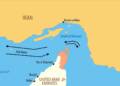
Analysts say the move would also reflect China’s increasing willingness to assert influence in the Middle East — a region historically dominated by US military presence. A strengthened Iranian coastal defence network could alter the balance of power in the Strait of Hormuz, through which a substantial portion of global oil supplies transit.
Impact on Regional Stability
Iran already possesses a range of anti-ship missiles and fast-attack craft designed for asymmetric naval warfare. However, the introduction of supersonic systems like the CM-302 would dramatically raise the stakes. Military observers warn that such missiles are far more difficult to intercept than older subsonic systems, reducing reaction times for defending ships.
At the same time, the US has significantly enhanced its missile defence systems, including Aegis-equipped destroyers capable of intercepting incoming threats. Any potential conflict scenario would likely involve complex electronic warfare, layered missile defence, and counter-strike operations.
Diplomatically, the development further complicates ongoing efforts to revive negotiations over Iran’s nuclear programme. US officials have recently signalled that Tehran faces a narrow window to reach a diplomatic settlement, warning of possible military consequences if talks fail.
A Region on Edge
The Middle East remains in a fragile state of strategic tension, with overlapping rivalries involving the US, Iran, Israel, Russia, and China. The reported missile deal underscores how quickly the military balance can shift when external powers deepen their involvement.
While it remains uncertain whether the CM-302 agreement will be finalised and implemented, the mere prospect of such a transfer has already intensified debate among policymakers and defence planners.
For now, the Gulf region watches closely as diplomacy, deterrence, and military manoeuvres unfold simultaneously — each carrying the potential to reshape the security architecture of the Middle East.