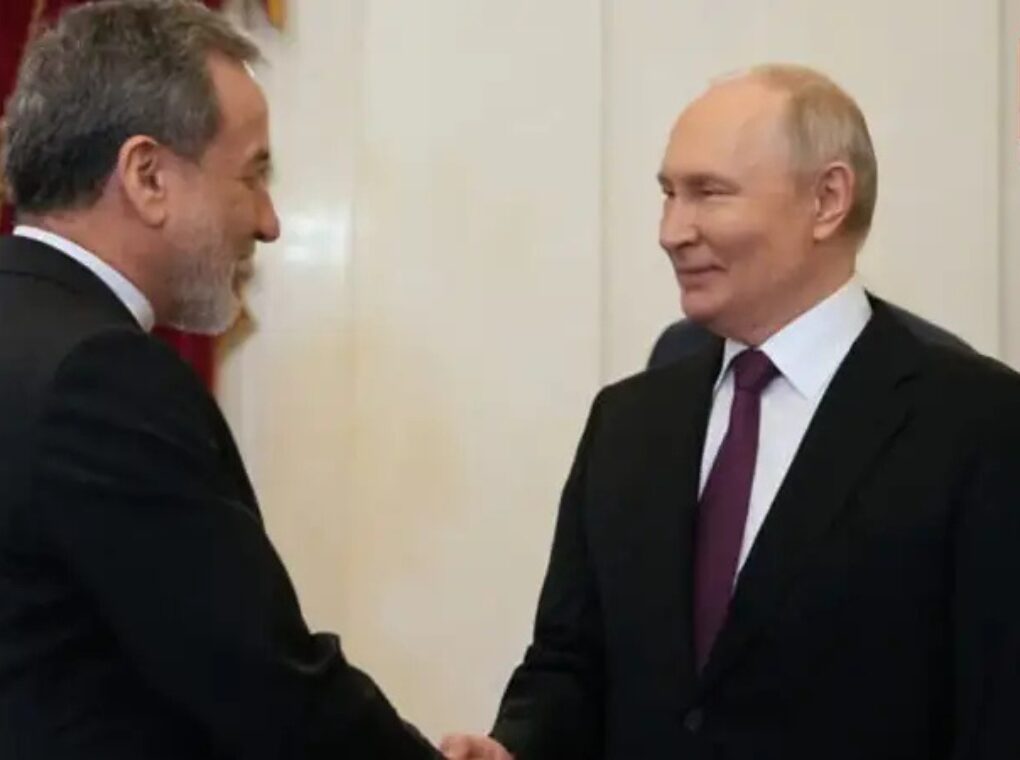
In a significant geopolitical development, Vladimir Putin has openly praised the Iranian people for what he described as their “courageous and heroic” resistance against pressure from the United States and its allies, during high-level talks with Abbas Araqchi in St. Petersburg. The meeting underscores deepening strategic coordination between Russia and Iran amid escalating tensions in the Middle East.
The talks took place against the backdrop of ongoing conflict involving Iran, the United States, and Israel, as well as growing concerns over global energy security and maritime stability. Hosting Araqchi at the presidential library in St. Petersburg, Putin emphasized Moscow’s commitment to supporting Tehran during what he termed a “difficult period.”
“We see how courageously and heroically the Iranian people are fighting for their independence and sovereignty,” Putin said, adding that Russia would “do everything” to serve Iran’s interests and promote peace across the region.
Russia Reaffirms Support for Iran
The meeting highlights Russia’s consistent diplomatic and political backing of Iran in recent months. Moscow has strongly condemned U.S. and Israeli strikes on Iranian-linked targets and has positioned itself as a potential mediator to de-escalate tensions in the Middle East.
Putin reiterated hopes for a peaceful resolution, stating that Russia is committed to ensuring stability not only for Iran but for all nations in the region. The Kremlin has also revived its proposal to store Iran’s enriched uranium as part of broader efforts to reduce nuclear tensions—an idea that has so far been rejected by Washington.
The visit by Araqchi signals intensifying diplomatic engagement between the two nations, reflecting a broader alignment in opposition to Western policies.
Strait of Hormuz at the Center of Tensions
A major point of contention remains the strategic Strait of Hormuz, through which nearly 20% of the world’s oil and liquefied natural gas supplies pass. Iran has effectively restricted passage through the strait since the outbreak of hostilities earlier this year, citing security concerns.
Russia has openly backed Iran’s position on controlling the vital waterway. Vassily Nebenzia stated that Iran has the sovereign right to regulate navigation in its territorial waters, particularly during wartime.
“In times of war, a coastal state under attack may limit navigation for security purposes,” Nebenzia said, while accusing Western nations of hypocrisy and likening their actions to “piracy.”
Iran’s Conditional Offer and U.S. Skepticism
Amid rising tensions, Iran has reportedly proposed reopening the Strait of Hormuz under specific conditions. These include the lifting of U.S. naval blockades on Iranian ports, an end to ongoing hostilities in the region, and postponement of discussions related to its nuclear program.
However, the proposal has been met with skepticism in Washington. Donald Trump and his national security team are reportedly cautious about Tehran’s intentions, with officials indicating that any agreement would require significant concessions and verifiable commitments.
The White House confirmed that the proposal is under review, but no formal response has yet been announced.
Broader Geopolitical Implications
The meeting between Putin and Araqchi is widely seen as a signal of a strengthening Russia-Iran partnership, one that could reshape power dynamics in the Middle East. With both nations facing sanctions and strategic pressure from the West, their alignment reflects a shared interest in counterbalancing U.S. influence.
Additionally, Russia’s involvement as a mediator—alongside countries like Pakistan and Oman—suggests ongoing diplomatic efforts to prevent further escalation. However, with military activity continuing and trust between key actors remaining low, the path to peace remains uncertain.
As tensions persist, the international community is closely watching developments surrounding Iran’s nuclear ambitions, control of critical energy routes, and the broader conflict landscape. Russia’s firm backing of Iran adds another layer of complexity, potentially influencing negotiations and strategic calculations on all sides.
Putin’s strong remarks and assurances to Araqchi mark a clear message: Moscow intends to stand by Tehran, both diplomatically and strategically, as the Middle East navigates one of its most volatile periods in recent years.