
Britain is facing growing criticism from its partners in the Gulf after a series of Iranian missile strikes heightened tensions across the Middle East. Officials from regional allies say the United Kingdom responded too slowly to the rapidly escalating crisis, delaying key military decisions and leaving partners questioning London’s readiness to defend shared security interests.
Concerns have been raised particularly by officials in Bahrain, the United Arab Emirates, and Cyprus, where the UK maintains strategic military installations. According to reports from The Times (UK), regional partners privately expressed frustration that Prime Minister Keir Starmer did not act quickly enough to protect British nationals and reinforce the region’s defenses during the initial stages of the Iranian attacks.
Missile Strike Near British Forces
Tensions intensified when an Iranian missile reportedly landed less than 200 meters from British personnel stationed at the UK naval support facility in Manama, the capital of Bahrain. The facility, which hosts around 300 British service members, lies close to the headquarters of the United States Fifth Fleet.
UK Defence Secretary John Healey confirmed the proximity of the strike, highlighting how close British forces came to direct involvement in the escalating conflict.
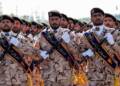
The missile attacks were part of a broader wave of Iranian strikes targeting US and allied military assets across the region following rising hostilities involving Iran, Israel, and the United States.
Delay Over US Base Access
One of the major points of frustration among Gulf allies centered on Britain’s delay in allowing the United States to use joint military facilities for defensive strikes against Iranian missile sites.
Washington had requested permission to operate from the strategic island base of Diego Garcia in the Indian Ocean, as well as other British-controlled facilities. However, approval from the British government reportedly came only on Sunday evening, several days after the conflict began and after regional partners had already come under missile and drone attacks.
Sources familiar with discussions in the Gulf say the delay damaged confidence among members of the Gulf Cooperation Council, particularly in the United Arab Emirates, where roughly 300,000 British nationals live and work.
Military Response Under Scrutiny
Britain has deployed air assets to support regional defense operations. Fighter jets including the Eurofighter Typhoon and F‑35 Lightning II operating from RAF bases in Cyprus have been conducting defensive patrols and intercepting Iranian drones and missiles.
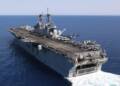
However, criticism has also focused on the slow deployment of naval forces. The Royal Navy destroyer HMS Dragon (D35) is expected to reinforce the Eastern Mediterranean but will not depart for Cyprus until next week because it is currently being brought out of maintenance and equipped with weapons systems.
A Western official told The Times that the proposal to deploy the destroyer was not presented to the Chief of the Defence Staff until Tuesday morning—four days after hostilities began and nearly two days after a drone reportedly struck RAF Akrotiri in Cyprus.
Cyprus Calls for Faster Support
Officials in Cyprus have welcomed Britain’s reinforcements but say the support is arriving too slowly. Kyriacos Kouros, Cyprus’s High Commissioner to the UK, noted that the destroyer would take more than a week to reach the region.
He compared the timeline with other European allies already moving forces toward the Eastern Mediterranean.
“The French are coming,” Kouros said. “The least we expect is the Britons to also be present since we are not only defending Cypriots on the islands.”
Cabinet Debate Over Military Action
Reports from The Spectator suggest that the delay in approving US operations from British bases stemmed from internal debate within the UK government.
Several senior cabinet ministers—including Ed Miliband, Rachel Reeves, and Shabana Mahmood—reportedly raised concerns during a National Security Council meeting about allowing American forces to launch strikes on Iran from British territory.
Ultimately, authorization was granted after the situation deteriorated further in the region.
Government Defends Decision
Speaking in the House of Commons, Prime Minister Keir Starmer defended the government’s approach, stating that there was initially no clear legal basis or operational plan for the US request.
A spokesperson for Downing Street said the final decision had the support of the cabinet and stressed that the UK remains committed to protecting its forces and allies.
British officials also highlighted that the country has been strengthening its regional defense posture since the start of the year, deploying additional radar systems, air defense assets, and fighter aircraft to bases in Cyprus and Qatar.
Reinforcements expected to arrive soon include Royal Navy Wildcat helicopters armed with Martlet missiles designed to counter aerial threats.
Rising Pressure on London
Despite these measures, criticism from Gulf allies underscores the growing pressure on London to demonstrate stronger and faster military leadership during one of the most volatile regional crises in years.
As Iranian missile and drone attacks continue to threaten US and allied forces across the Middle East, Britain’s response—and its coordination with partners in the Gulf—will likely remain under intense scrutiny in the weeks ahead.