As diplomatic efforts intensify to de-escalate the ongoing Middle East conflict, proposed talks between the United States and Iran in Islamabad are gaining global attention. However, analysts suggest that these negotiations may have a limited impact on the ground, with Israel continuing to shape the trajectory of the conflict through its ongoing military campaign.
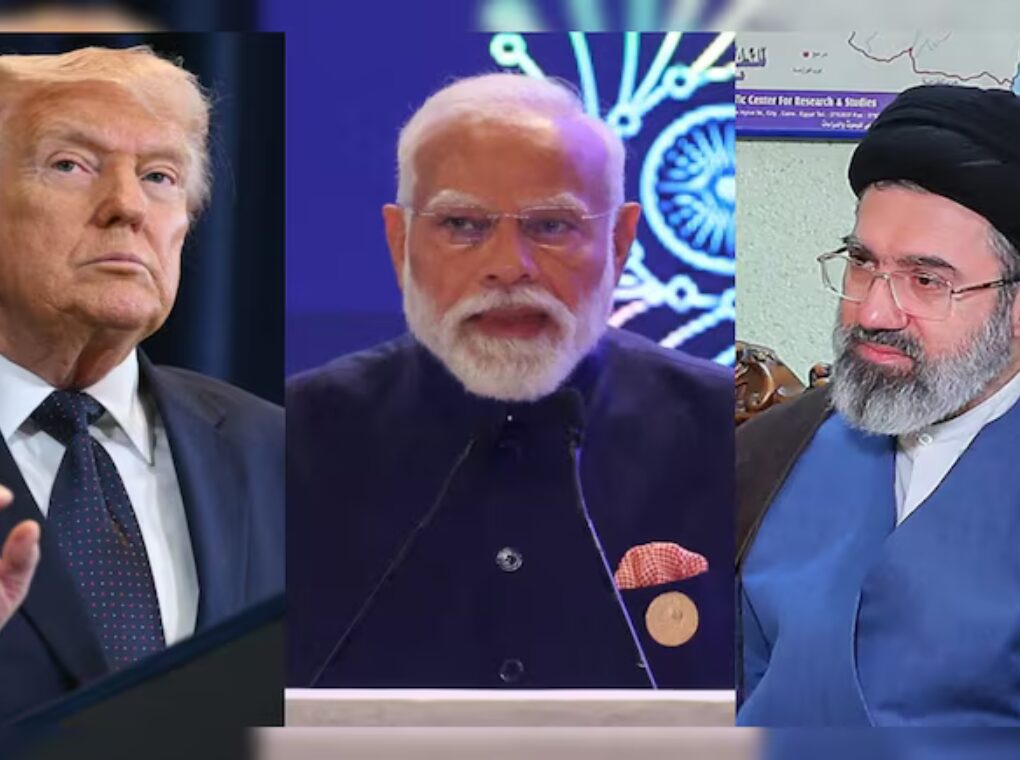
Pakistan has positioned itself as a mediator, offering to host discussions between Washington and Tehran. Reports indicate that US officials under President Donald Trump have shared proposals through intermediaries, while Vice President JD Vance is expected to play a role in diplomatic outreach.
Despite this, Iran has denied the existence of direct negotiations, acknowledging only indirect communication through regional intermediaries.
Israel Remains the Central Driver of the Conflict
While diplomatic channels are being explored, developments on the battlefield suggest that Israel remains the primary driver of escalation. Ongoing airstrikes between Israel and Iran continue to intensify the situation, with both sides targeting strategic assets.
Recent reports highlight that Israel has no immediate plans to halt its military operations, even as talks are being discussed. The continued exchange of strikes has disrupted regional stability and contributed to a growing global energy crisis.
This divergence between diplomacy and military action indicates that even if talks are held in Islamabad, their immediate influence may be limited unless Israel alters its operational strategy.
Iran’s Hardline Position Complicates Diplomacy
Iran’s leadership has adopted a firm stance, expressing deep skepticism toward US intentions. Tehran has reportedly set strict conditions for any potential negotiations, including guarantees against future attacks and rejection of limits on its missile program.
Iran’s military has also dismissed US claims of ongoing negotiations, reinforcing the perception that diplomatic efforts are still at a preliminary stage. This hardened position reduces the likelihood of a quick breakthrough, especially in the absence of mutual trust.
India Emerges as a Credible Mediator
Amid these challenges, India is increasingly being viewed as a viable and neutral mediator. Tehran has openly described India as a “trusted player,” citing its balanced foreign policy and strong relationships with all major parties involved.
India maintains deep strategic ties with Israel and the United States, particularly in defense and technology, while also preserving long-standing economic and cultural relations with Iran. This unique positioning allows New Delhi to engage with all sides without being perceived as biased.
Unlike the United States, which is seen as aligned with Israel, India’s non-aligned diplomatic approach enhances its credibility as a mediator. Experts believe that India could play a constructive role in facilitating dialogue, especially if direct negotiations between the US and Iran remain stalled.
Why Pakistan Talks Alone May Not Deliver Results
Pakistan’s efforts to host talks reflect its growing diplomatic ambitions, but its influence over the core conflict dynamics remains limited. While Islamabad maintains working relations with both Washington and Tehran, it does not have significant leverage over Israel, which is central to the ongoing escalation.
Previous attempts by Pakistan to mediate between the US and Iran have also struggled to produce tangible outcomes, highlighting the limitations of its role in such a complex geopolitical environment.
As a result, even if talks are held in Islamabad, their effectiveness will depend largely on broader geopolitical factors, particularly Israel’s willingness to scale back its operations.
Global Energy and Strategic Implications
The conflict continues to have far-reaching consequences beyond the region. Disruptions linked to the Strait of Hormuz have triggered volatility in global oil markets, impacting economies worldwide.
India, as a major energy importer, faces significant risks from prolonged instability. This adds urgency to its potential role as a mediator, as de-escalation aligns with its economic and strategic interests.
While the prospect of US-Iran talks in Islamabad signals a push toward diplomacy, the reality on the ground suggests that their impact may be limited in the short term. Israel’s continued military operations and Iran’s hardline stance remain key obstacles to de-escalation.
In this complex scenario, India’s emergence as a “trusted mediator” offers a potential alternative pathway for dialogue. With strong ties across all sides and a reputation for strategic neutrality, New Delhi could play a crucial role in reducing tensions—if given the diplomatic space to act.
As the conflict evolves, the balance between military escalation and diplomatic engagement will determine whether the region moves toward stability or a deeper crisis.