
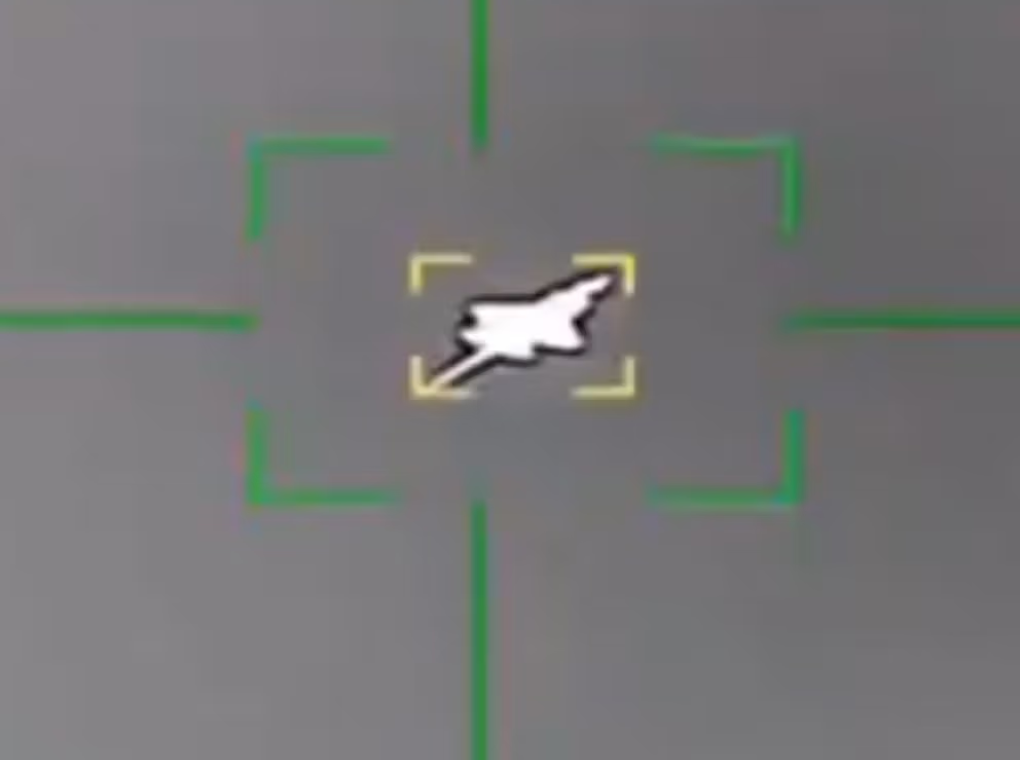
The ongoing conflict between the United States and Iran has entered a critical phase, with reports indicating significant losses to American air power. According to multiple sources, at least 16 US military aircraft have been lost in the first 20 days of the war, including advanced fighter jets, refueling tankers, and unmanned drones. The developments are raising serious questions about the limits of US air superiority in contested regions.
The reported losses include platforms such as the F-15 Eagle, F-35 Lightning II, KC-135 Stratotanker, and the widely deployed MQ-9 Reaper. Each of these assets plays a crucial role in US military operations, from air combat and surveillance to extending the operational range of fighter aircraft.
Heavy Drone Losses Highlight Air Defense Threat
A significant portion of the losses has been attributed to drones, particularly the MQ-9 Reaper. Reports suggest that at least nine of these unmanned systems were shot down mid-air by Iranian air defenses. In contrast, others were destroyed on the ground or lost due to operational incidents.
Drones are often used in high-risk missions due to their unmanned nature, but the scale of these losses indicates that Iran’s air defense network remains active and capable. The ability to consistently target and destroy drones suggests a level of preparedness that challenges the assumption of uncontested US air operations.
Friendly Fire and Operational Accidents Add to Losses
Not all aircraft losses have been caused by enemy action. In one of the most concerning incidents, three F-15 fighter jets were reportedly shot down by friendly fire in Kuwait. Such incidents underline the complexity and confusion that can arise in high-intensity combat environments, even for technologically advanced militaries.
Additionally, a KC-135 Stratotanker was lost during a refueling mission, resulting in the deaths of all six crew members on board. The US military has stated that this incident was not due to hostile fire, pointing instead to operational risks associated with sustained, high-tempo missions.
Further damage was reported in Saudi Arabia, where Iranian missile strikes hit an airbase and damaged multiple KC-135 tankers. These aircraft are critical for mid-air refueling, enabling long-range missions. Their loss or damage can significantly impact the operational reach of US air power.
F-35 Incident Raises Serious Questions
One of the most notable developments in the conflict involves the F-35 Lightning II, a fifth-generation stealth aircraft considered a cornerstone of US air superiority.
During a combat mission over Iranian territory, an F-35 was reportedly hit or damaged, forcing it to make an emergency landing at a US base in the region. While US officials have confirmed the safe landing and survival of the pilot, the exact cause of the damage remains under investigation.
Iran has claimed responsibility for targeting the aircraft and has even released footage that allegedly shows the incident. If confirmed, this would mark a significant moment in modern warfare, as the F-35 has long been regarded as highly resistant to detection and interception due to its stealth capabilities.
Air Superiority Limited, Not Absolute
US military officials have acknowledged that air superiority in the conflict is not comprehensive. Instead, control of the skies is currently limited to specific operational zones rather than the entire region.
This represents a shift from previous conflicts where the US enjoyed near-total air dominance. The presence of active and effective air defense systems in Iran is complicating efforts to achieve full control of the airspace.
Strategic Implications for the Region
The ongoing conflict is centered around critical geopolitical zones, including the Strait of Hormuz, a vital route for global oil transportation. Any disruption in this region could have far-reaching consequences for global energy markets and economic stability.
The losses also highlight the challenges of conducting sustained air operations in heavily defended airspace. Military experts suggest that the high tempo of operations—marked by increased sorties and continuous missions—is contributing to both combat and non-combat losses.
While the United States continues to maintain significant military capabilities, the reported loss of 16 aircraft in such a short period underscores the evolving nature of modern warfare. The combination of effective air defenses, operational risks, and high-intensity combat is testing the limits of even the most advanced air forces.
As the conflict continues, the situation remains fluid. Whether these losses represent a temporary setback or a deeper shift in the balance of air power will depend on how both sides adapt in the coming days.