
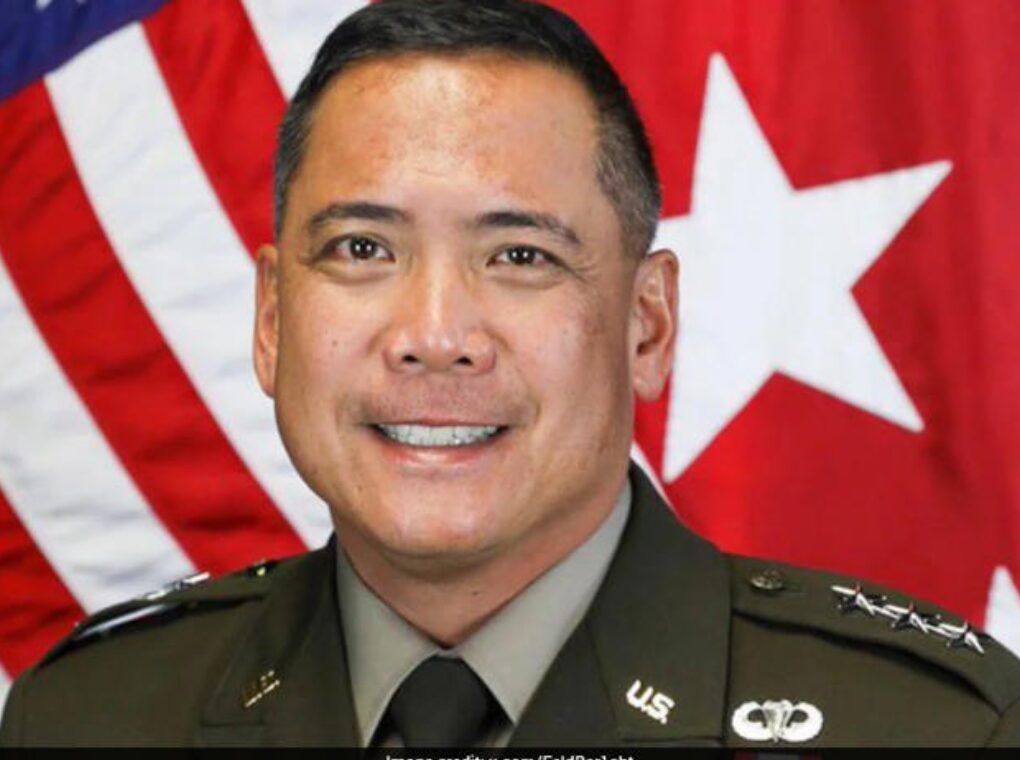
A senior United States Army general responsible for overseeing military assistance to Ukraine has come under scrutiny after a Pentagon watchdog report revealed serious lapses in handling classified information, along with a separate incident involving excessive alcohol consumption that led to a concussion.
According to findings by the U.S. Department of Defense Inspector General, Antonio Aguto Jr, who previously led the Security Assistance Group–Ukraine (SAG-U), improperly handled sensitive documents marked “SECRET” during an official trip in Europe in 2024.
Classified Maps Left Unsecured on Train
The report highlights a major security breach that occurred while Aguto was traveling between Kyiv and Poland. Instead of following strict protocol—which requires classified materials to be transported via authorized diplomatic couriers—Aguto reportedly entrusted the documents to his staff.
The sensitive materials, consisting of classified maps related to the ongoing conflict in Ukraine, were stored in a cylindrical tube. However, the tube was accidentally left behind on a train, raising concerns about potential exposure of critical military intelligence.
The lapse triggered immediate alarm. Fortunately, Ukrainian railway security personnel discovered the misplaced tube and coordinated its safe return to the U.S. Embassy in Kyiv the following day.
Despite the recovery, the Inspector General’s report emphasized the seriousness of the breach, stating that the documents had been left “unsecured” and were temporarily in the possession of Ukrainian nationals. Aguto later claimed there was no evidence that the classified information had been accessed or compromised.
Alcohol-Related Incident Raises Further Concerns
In a separate incident in May 2024, Aguto’s conduct again came under question following a night of heavy drinking in Kyiv. According to reports, he attended a prolonged dinner where he consumed excessive amounts of alcohol, including “chacha,” a strong traditional spirit.
During the evening, an aide reportedly sent a message suggesting the general was too intoxicated to review important matters, indicating a lapse in professional readiness.
After returning to his hotel, Aguto suffered multiple falls, hitting his head and eventually sustaining a concussion. Over the next 24 hours, he fell two more times and began showing signs of slowed cognitive response.
Medical evaluations later confirmed the concussion, which significantly impacted his ability to perform official duties.
Meetings With Top Officials Despite Injury
Despite his condition, Aguto attended high-level meetings the following day, including engagements with then U.S. Secretary of State Antony Blinken and U.S. Ambassador to Ukraine Bridget Brink.
The Inspector General report noted a “progressive decline” in his responsiveness during these meetings. While investigators did not conclusively determine that he was intoxicated during official engagements, they found that his ability to function was impaired due to the concussion caused by alcohol-related falls.
Pentagon Findings and Consequences
The Department of Defense watchdog concluded that Aguto violated established policies regarding the handling of classified information as well as standards of professional conduct expected from senior military leadership.
The report recommended that the Secretary of the Army take “appropriate action” in response to the violations. While specific disciplinary measures were not publicly detailed, the incidents contributed to Aguto stepping down from his leadership role in August 2024.
He subsequently retired from military service.
Broader Implications for US Military Oversight
The revelations come at a sensitive time as the United States continues to provide substantial military aid and strategic support to Ukraine amid its ongoing conflict with Russia. The Security Assistance Group–Ukraine plays a crucial role in coordinating logistics, weapons transfers, and operational planning.
Security experts note that even temporary misplacement of classified materials—especially those related to active conflict zones—can pose significant risks, including potential intelligence leaks or exploitation by adversaries.
The incident also raises concerns about leadership accountability and adherence to protocol at the highest levels of military command.
While the classified documents were ultimately recovered without confirmed compromise, the dual incidents involving Major General Antonio Aguto Jr highlight critical vulnerabilities in operational discipline and oversight.
The Pentagon’s findings serve as a reminder of the stringent responsibilities carried by senior military officials, particularly in high-stakes geopolitical environments where even minor lapses can have far-reaching consequences.