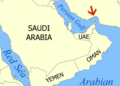
While global markets remain fixated on tensions in the Strait of Hormuz, China is quietly building an energy system designed to make such geopolitical flashpoints far less relevant. Each escalation between the United States and Iran sends oil prices swinging and fuels fears of supply disruption. But Beijing is pursuing a long-term strategy that bypasses these vulnerabilities altogether.
At the heart of this transformation is State Grid Corporation of China, one of the largest utility companies in the world. Alongside China Southern Power Grid, it is spearheading an ambitious plan to construct a nationwide “supergrid” powered by ultra-high voltage (UHV) transmission technology.
A Strategic Shift Away from Oil Dependency
China remains the world’s largest importer of crude oil, with a significant portion of its energy supplies passing through vulnerable maritime chokepoints like the Strait of Hormuz. Any disruption—whether due to conflict, sanctions, or blockades—poses a direct threat to its economic stability.
To counter this, Beijing is accelerating electrification across its economy. The goal is simple yet transformative: reduce reliance on imported fossil fuels and shift toward domestically generated electricity, particularly from renewable sources.
The supergrid initiative is central to this vision. By transmitting electricity over thousands of kilometers with minimal loss, UHV lines allow China to harness energy from resource-rich inland regions and deliver it efficiently to its industrial hubs along the eastern coast.
Inside China’s Supergrid Blueprint
The scale of the project is staggering. Estimates suggest China could invest nearly 4 trillion yuan (approximately $574 billion) between 2026 and 2030 in grid infrastructure alone.
Key components of the strategy include:
Ultra-High Voltage (UHV) Transmission: These power “highways” enable long-distance electricity transfer from western and northern regions to energy-hungry coastal cities.
Renewable Energy Integration: Wind and solar farms in remote areas such as Xinjiang and Inner Mongolia are being connected directly to manufacturing centers.
Industrial Electrification: From electric vehicles to AI-driven data centers, rising electricity demand is being built into future grid planning.
State-Backed Financing: Massive bond issuances and low-cost borrowing allow grid operators to prioritize long-term resilience over short-term profitability.
Unlike private utilities in many Western economies, China’s state-owned giants operate with strong government backing. This enables them to undertake capital-intensive projects with extended payback periods—something market-driven firms often avoid.
Energy Security in a Fragmented World
China’s strategy reflects a broader shift in how nations think about energy security. Traditionally, securing oil supply routes—especially through chokepoints like the Strait of Hormuz—has been a top priority. However, electrification and renewable energy offer an alternative path.
By building a robust domestic grid, China is effectively insulating itself from external shocks. As more sectors transition to electricity, the strategic importance of maritime oil routes could gradually decline.
Analysts tracking the transition note that this shift is already underway. The rapid deployment of UHV infrastructure, combined with aggressive renewable expansion, is creating a system where energy flows are increasingly internal rather than global.
Geopolitical Implications
If successful, China’s supergrid could have far-reaching consequences beyond its borders. Reduced dependence on imported oil would weaken the leverage of traditional energy exporters and diminish the global impact of regional conflicts.
For oil markets, this could mean lower long-term demand growth from the world’s largest consumer. For geopolitical strategy, it signals a move away from vulnerability toward self-reliance.
Meanwhile, countries still dependent on oil imports may find themselves increasingly exposed to volatility, especially during crises involving key transit routes.
The Bigger Picture
China’s supergrid is not just an infrastructure project—it is a strategic hedge against a turbulent world. While others react to oil shocks and geopolitical tensions, Beijing is attempting to redesign the system itself.
The message is clear: instead of competing over access to energy resources, China is investing in controlling the flow of energy within its own borders.
As global tensions continue to simmer, particularly around critical chokepoints like the Strait of Hormuz, China’s approach could redefine how energy security is achieved in the 21st century.