
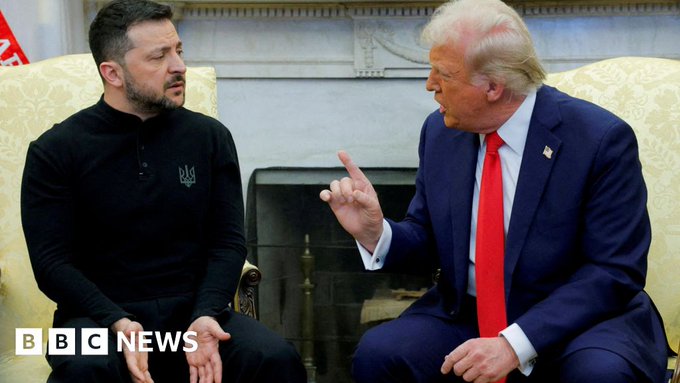
In a significant development that could reshape global security dynamics, the United States is reportedly considering diverting weapons initially intended for Ukraine to support its growing military engagement in a potential conflict with Iran. According to a report by The Washington Post, internal discussions within the Pentagon suggest that shifting battlefield priorities may soon impact the continuity of Western military assistance to Kyiv.
Strategic Recalibration in Washington
The debate centers around the Prioritized Ukraine Requirements List (PURL)—a mechanism introduced in July 2025 under which European NATO allies fund the procurement and delivery of advanced US-made weapons to Ukraine. These include high-value assets such as interceptor missiles for the Patriot air defense system, critical for defending against aerial threats.
However, the escalating tensions involving Iran and increased operational demands in the Middle East have reportedly strained US munitions stockpiles. This has prompted senior defense officials to reconsider how resources are allocated, especially as the US and its regional partners face sustained retaliation.
US Secretary of Defense Pete Hegseth has emphasized that maintaining readiness for American military operations must take precedence. This stance signals a potential pivot away from the long-standing commitment to sustaining Ukraine’s war effort at current levels.
Patriot Systems at the Center of the Debate
One of the key concerns revolves around the possible exclusion of Patriot interceptor missiles from future shipments to Ukraine. These systems have played a crucial role in countering missile and drone attacks, making them a cornerstone of Kyiv’s defense strategy.
Sources cited in the report indicate that while some deliveries under PURL may continue, high-demand systems like Patriot interceptors could be redirected entirely in certain scenarios. Such a move would mark a substantial shift in US military assistance and could leave Ukraine more vulnerable at a critical juncture.
Funding Reallocation and NATO Implications
The report also highlights concerns over financial reallocations. The Pentagon is said to be exploring the possibility of redirecting approximately $750 million from the PURL framework to replenish its own stockpiles.
Additionally, questions have emerged regarding the use of funds under the Ukraine Security Assistance Initiative (USAI), which received a $400 million boost from Congress earlier this year. It remains unclear whether contributions from NATO allies have been used alongside or in place of these appropriated funds.
This potential reallocation has raised alarm bells among NATO members, particularly in Europe, where governments have invested heavily in supporting Ukraine. A perceived shift in US priorities could strain alliance cohesion and fuel debates over burden-sharing.
Ukraine’s Growing Anxiety
For Ukraine, the implications are profound. President Volodymyr Zelenskyy has intensified diplomatic outreach across Europe in recent weeks, a campaign some observers have described as a bid to ensure Ukraine remains a priority amid shifting geopolitical focus.
Kyiv has even offered military assistance to the US and its Middle Eastern partners, particularly in countering long-range drone threats—an area where Ukraine has developed considerable expertise during its conflict with Russia. However, these overtures have reportedly been met with skepticism in Washington.
US President Donald Trump dismissed the idea, stating bluntly that Ukraine’s involvement is not needed in the Middle East theater. No Gulf nation has publicly acknowledged receiving Ukrainian support, further underscoring Kyiv’s limited influence in this emerging conflict zone.
A Broader Geopolitical Shift
The potential diversion of arms underscores a broader recalibration of US foreign policy priorities. As tensions with Iran escalate, Washington appears increasingly focused on preparing for high-intensity operations in the Middle East, even if it comes at the expense of its commitments in Eastern Europe.
This shift could have far-reaching consequences. For Ukraine, reduced access to advanced weaponry may weaken its defensive capabilities. For NATO, it could deepen divisions over strategic priorities. And for global security, it signals a widening of geopolitical fault lines, with the risk of multiple theaters of conflict competing for limited military resources.
While no final decision has been announced, the mere consideration of redirecting Ukraine-bound arms reflects the mounting pressures on US military planning. As Washington balances competing priorities, the outcome of these deliberations will not only shape the trajectory of the Ukraine conflict but also redefine alliance dynamics and global power equations in the months ahead.