
The reported five-day pause in U.S. strikes on Iran has triggered intense debate among defense analysts and policymakers. While official statements from the administration of Donald Trump project confidence and readiness, a growing body of expert opinion suggests that the pause may reflect deeper concerns—particularly about munitions depletion and the limitations of America’s defense industrial base.
At the outset of the conflict—reportedly launched under “Operation Epic Fury”—U.S. leadership struck a confident tone. Senior officials emphasized that American forces had ample stockpiles to sustain operations. Trump himself claimed that the U.S. possessed a “virtually unlimited supply” of medium-grade weapons and was fully prepared for a prolonged engagement.
However, this optimism has been increasingly challenged by defense experts. Analysts like Seth G. Jones from Center for Strategic and International Studies have warned that the U.S. may not be adequately prepared for a high-intensity, long-duration conflict—especially one that overlaps with existing commitments such as Ukraine and Indo-Pacific deterrence.
High-End Weapons: The Real Bottleneck
A key issue lies in the distinction between “medium-grade” munitions and high-end precision weaponry. While the U.S. may have large quantities of conventional bombs, modern warfare against a capable adversary like Iran depends heavily on advanced systems—stealth aircraft, precision-guided missiles, and layered air defense systems.
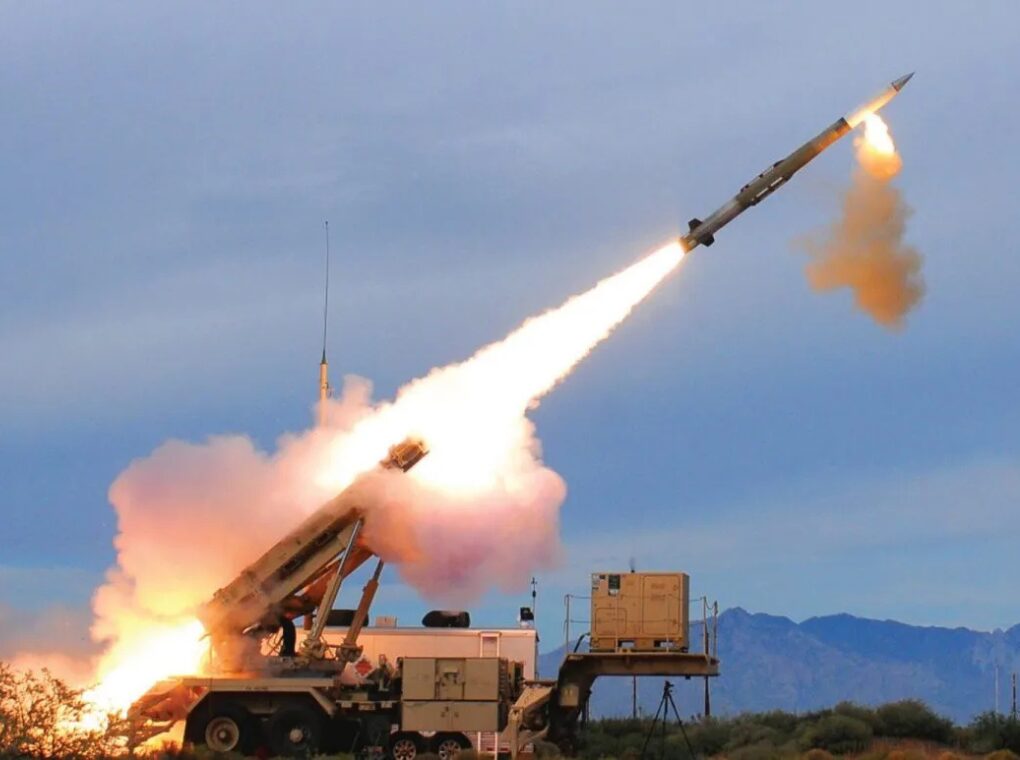
The U.S. has deployed an array of cutting-edge platforms, including F-35 and F-22 stealth fighters, B-2 bombers, Tomahawk cruise missiles, and missile defense systems such as Patriot Missile System and THAAD. These systems are highly effective—but also extremely expensive and difficult to replenish quickly.
Reports indicate that a significant portion of interceptor missiles has already been used. Estimates suggest that between 200 and 300 Patriot missiles may have been expended, with each unit costing roughly $3 million. Meanwhile, THAAD interceptors—critical for countering ballistic threats—are also being consumed at a concerning rate.
Cost of War and Strategic Trade-Offs
The financial burden of the conflict is another major factor. Within just six days, U.S. operations reportedly cost over $11 billion. Maintaining a single carrier strike group, such as the USS Gerald R. Ford, costs approximately $6.5 million per day.
These expenses are not occurring in isolation. The U.S. has already committed substantial resources to Ukraine, supplying artillery shells, Stinger missiles, and Javelin systems—further straining stockpiles. The simultaneous demands of multiple theaters raise critical questions about sustainability.
This context helps explain why the Pentagon is reportedly seeking an additional $200 billion in emergency funding. The goal is not only to sustain current operations but also to accelerate production and rebuild depleted inventories.
Industrial Constraints and Supply Chain Issues
Even with increased funding, the U.S. faces structural challenges in scaling up production. The defense industrial base—dominated by major firms like Lockheed Martin, Boeing, and Northrop Grumman—operates within a highly specialized and complex ecosystem.
Production of advanced munitions involves intricate supply chains, including components such as propulsion systems, guidance electronics, and rare materials. Bottlenecks in any of these areas can delay output significantly. For example, Lockheed Martin produced around 620 PAC-3 interceptors in 2025, with only marginal increases planned for 2026. Scaling production to wartime levels could take years.
Labor unrest has further complicated the situation. Strikes and contract disputes in 2025 disrupted manufacturing timelines, highlighting vulnerabilities in workforce stability.
Strategic Implications of the Pause
Against this backdrop, the five-day pause in strikes appears less like a tactical decision and more like a strategic recalibration. It may provide time to reassess resource allocation, reinforce supply chains, and avoid overextending U.S. capabilities.
More importantly, the pause reflects a broader strategic dilemma: balancing immediate military objectives in the Middle East with long-term priorities in the Indo-Pacific, particularly in relation to China. As Jones and others have emphasized, a prolonged conflict with Iran could undermine U.S. readiness in more critical theaters.
The Bigger Question
Ultimately, the issue is not whether the U.S. can defeat Iran militarily—it likely can. The real question is whether it can sustain such a conflict without compromising its global strategic posture.
The answer, increasingly, appears uncertain. Despite having the world’s largest defense budget—projected to exceed $960 billion—the U.S. faces real constraints in production capacity, supply chain resilience, and resource prioritization.
The Trump administration has initiated steps to address these challenges, including efforts to expand production and modernize the defense industrial base. However, experts caution that these measures may not be sufficient in the short term.
As the conflict evolves, the five-day pause may come to be seen as an early indicator of a deeper reality: even the world’s most powerful military must carefully manage its resources in an era of prolonged, multi-front competition.