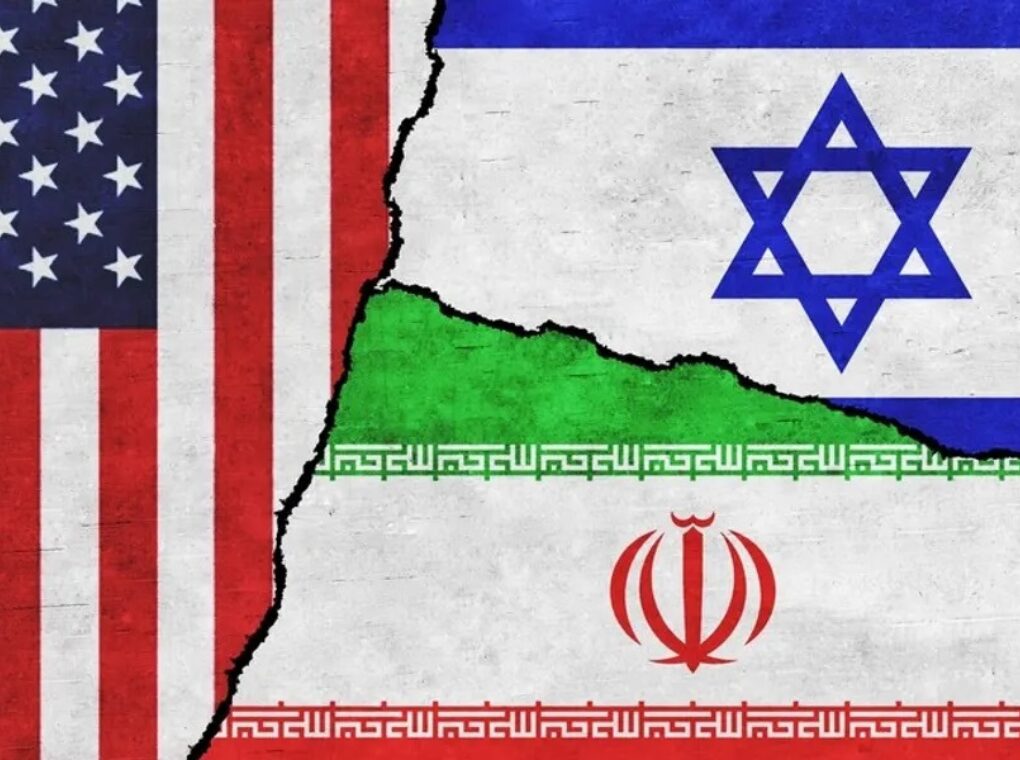
As the Middle East conflict intensifies, a diplomatic push led by Pakistan, Türkiye, Egypt, and Saudi Arabia is gaining momentum to prevent a full-scale regional war. The four nations have stepped in as key mediators between United States, Israel, and Iran, amid fears of a broader military confrontation.
A high-level meeting of foreign ministers concluded in Islamabad, signaling a coordinated effort to de-escalate tensions that have spiraled over the past month of hostilities.
Iran Signals Readiness as Ground Invasion Fears Grow
Amid diplomatic efforts, Iran has taken a defiant stance. Mohammad Bagher Ghalibaf заявил that Iranian forces are “waiting” for US troops, accusing Washington of secretly planning a ground invasion under the guise of negotiations.
This rhetoric comes as the US continues to bolster its military footprint in the region. The deployment of the amphibious assault ship USS Tripoli, carrying approximately 3,500 service members, underscores growing concerns of a potential escalation into direct conflict.
Expanding Conflict: Multi-Front War Looms
The situation on the ground is rapidly deteriorating. The Israeli military has warned it is preparing for a “multi-front war,” especially after Yemen’s Iran-backed Houthi movement entered the conflict with missile strikes targeting Israel.
Explosions have rocked Tehran amid sustained bombardment, while Iran’s elite Islamic Revolutionary Guard Corps has issued strong warnings of retaliation, including potential strikes on US and Israeli-linked targets.
Meanwhile, Israeli forces have expanded operations into southern Lebanon, advancing beyond the Litani River and destroying key infrastructure, including bridges, in an effort to establish a security buffer zone.
Rising Casualties and Regional Fallout
The humanitarian toll continues to rise sharply. Lebanese authorities report over 1,200 deaths in the past month, including more than 120 children, with thousands more injured. Recent Israeli strikes have also reportedly killed journalists and rescue workers, intensifying global criticism.
In Beirut, large crowds gathered in protest following reports of targeted attacks, while anti-war demonstrations have spread across cities in the United States and Europe.
Elsewhere, Iranian missile strikes have impacted multiple regions:
In southern Israel, a chemical plant was hit, raising concerns about hazardous leaks.
In Kuwait, military personnel were injured after missile and drone incursions.
In Doha, the US embassy issued warnings urging citizens to remain vigilant amid potential threats.
Global Concerns and Strategic Implications
The widening conflict is drawing in more regional and global actors. A senior official from the United Arab Emirates has demanded compensation from Iran for damages caused by its strikes, while Iran has countered by seeking reparations from the US and Israel.
At the same time, geopolitical tensions are expanding beyond the Middle East. Calls in the Philippines to remove US military bases reflect growing unease about Washington’s global military posture and the risk of further conflicts.
Diplomatic Window Narrowing
Despite ongoing mediation efforts, the path to peace remains uncertain. The involvement of multiple fronts—from Israel-Lebanon to Iran-Israel exchanges—has complicated negotiations.
However, the Islamabad summit represents a rare moment of diplomatic convergence, with key Muslim-majority nations attempting to prevent a catastrophic regional war.
With the US increasing troop deployments and Iran signaling readiness for confrontation, the coming days could prove decisive in determining whether diplomacy prevails—or the conflict escalates into a full-scale war across the Middle East.