
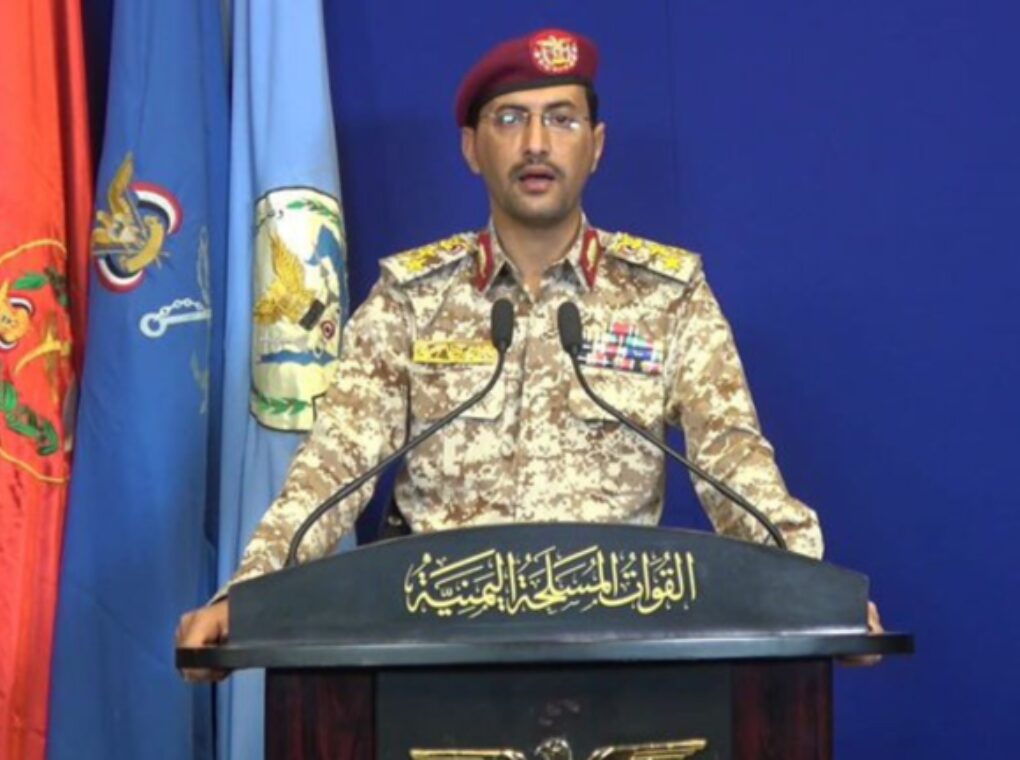
The Middle East conflict has taken a dangerous new turn as Yemen’s Iran-backed Houthi movement officially announced its entry into the war alongside Iran, launching its first missile strike toward Israel since hostilities began.
According to the Israel Defense Forces (IDF), a missile was detected early Saturday heading from Yemen toward Israeli territory. Air defense systems were immediately activated to intercept the incoming threat. While there were no immediate reports of casualties or infrastructure damage, the development marks a significant escalation in a conflict that has already destabilized the region.
First Strike Signals New War Front
The missile launch is the first such attack from Yemen since the war between Iran and the United States–Israel alliance erupted following joint strikes on Iranian targets on February 28. Hours after the attempted strike, the Houthis claimed responsibility, framing the attack as retaliation against Israeli operations targeting infrastructure across Iran, Lebanon, Iraq, and the Palestinian territories.
The group declared that its military actions would continue until what it called “aggression stops on all fronts,” signaling a sustained campaign rather than a one-off strike.
‘Fingers on the Trigger’
A day before the attack, the Houthis had issued a stark warning, stating they were ready for direct military intervention. “Our fingers are on the trigger,” the group said, adding that any escalation involving additional countries or continued strikes against Iran would prompt their full entry into the war.
This announcement has now materialized into action, raising fears that the conflict could rapidly expand into a multi-front regional war.
Strategic Threat: Red Sea and Beyond
The Houthis’ involvement is particularly concerning due to their strategic position along the Red Sea — one of the world’s most critical shipping routes. The group has a history of targeting commercial vessels and military assets in the region, especially during the Gaza conflict that began in 2023.
Their renewed warning about potential attacks on shipping lanes suggests that global trade could once again face disruptions, impacting oil flows and international commerce. Analysts warn that any sustained Houthi campaign in the Red Sea could trigger economic ripple effects far beyond the Middle East.
Iran’s Expanding Proxy Network
The Houthis are part of a broader network of Iran-aligned groups across the region. Tehran’s allies in Lebanon and Iraq have already engaged in hostilities against US-linked targets, and the Houthis’ formal entry into the conflict further strengthens what many analysts describe as a coordinated “axis of resistance.”
This widening coalition increases the risk of simultaneous attacks across multiple theaters, complicating military responses for both the US and Israel.
US Military Build-Up Intensifies
Amid growing tensions, the United States Department of Defense is reportedly considering a major troop deployment to the Middle East. Reports suggest that up to 10,000 additional personnel could be sent to the region, including thousands of Marines and paratroopers from elite units.
Under the leadership of Donald Trump, the United States has already ramped up its military posture, citing the need to deter further escalation and protect its allies.
Escalation Risks at Peak
The Houthis’ entry into the conflict marks a critical inflection point. What began as targeted strikes between Iran and its adversaries now threatens to spiral into a broader regional war involving multiple state and non-state actors.
Security experts warn that the situation is becoming increasingly volatile, with each new front raising the stakes. The possibility of coordinated attacks, disruptions to global trade routes, and confrontations between major powers is now higher than at any point since the conflict began.
As tensions continue to rise, the international community faces mounting pressure to de-escalate the crisis before it evolves into a full-scale regional war with global consequences.