The ongoing US-Israeli war on Iran has entered its fifth week, and it is rapidly becoming a defining political challenge for Donald Trump and his administration. According to recent opinion trends, the conflict is emerging as one of the most unpopular military engagements in modern American history, adding pressure on the White House ahead of the crucial midterm elections in November.
With public sentiment turning increasingly negative, the prolonged conflict risks not only undermining Trump’s domestic standing but also reshaping the future leadership of the Republican Party.
War Fallout and Midterm Pressure
Political analysts suggest that a drawn-out war — especially one that leads to increased American casualties — could significantly hurt Republican prospects in the midterms. A poor electoral performance may weaken Trump’s political leverage, effectively turning him into a “lame-duck” president during the remainder of his second and final term.
This shifting political landscape is also casting a long shadow over the 2028 presidential race, where the Republican Party is already seeing early signs of a leadership contest.
No Third Term, But a Successor Battle
Despite repeated hints by Trump about a possible return to the ballot, constitutional limits make it highly unlikely that he will contest a third term. As a result, attention is now focused on two of his closest allies: Vice President JD Vance and Secretary of State Marco Rubio.
Both leaders are playing visible roles in handling the Iran crisis, and experts believe the outcome of the conflict could be a decisive factor in determining who emerges as the Republican frontrunner in 2028.
Rubio Seen as the “Crisis Manager”
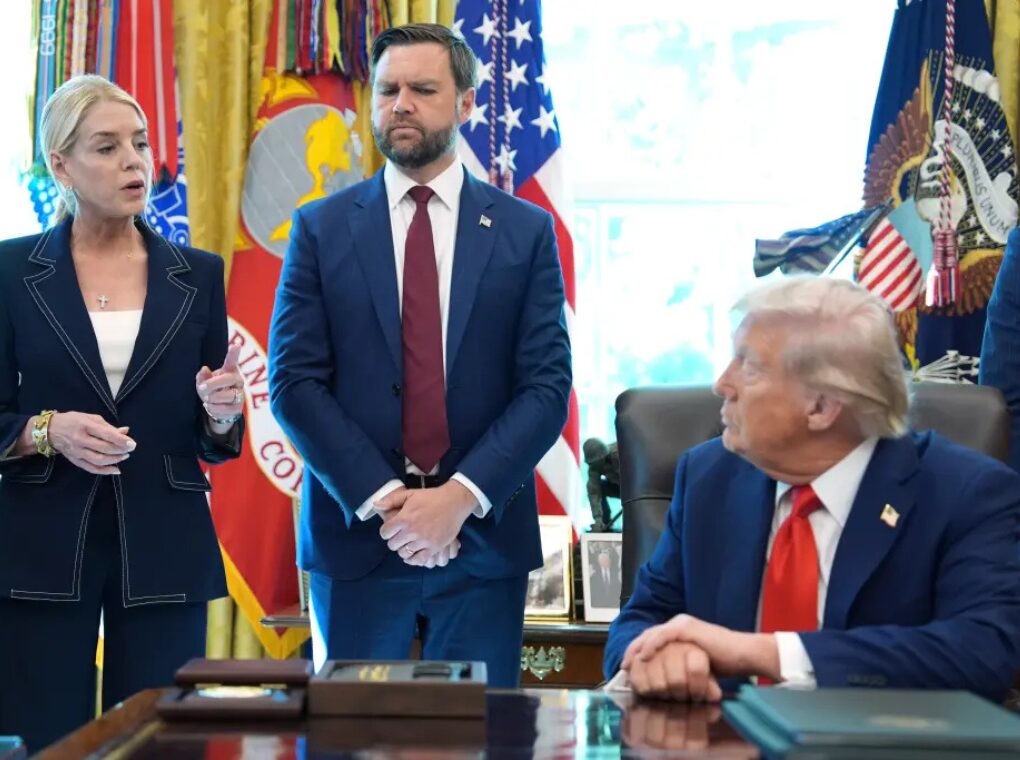
Within Republican circles, there is growing speculation that Trump may be leaning toward Rubio. Observers point to subtle cues, including body language and public engagement, suggesting that Rubio is being positioned as a steady and reliable figure during a time of international crisis.
A swift and favorable resolution to the Iran conflict could significantly boost Rubio’s credentials. As Secretary of State and national security adviser, he is seen as deeply involved in diplomatic and strategic decision-making, which could strengthen his image as a capable commander-in-chief in waiting.
However, the White House has dismissed claims of favoritism, maintaining that internal unity remains intact and that speculation about rivalry is media-driven.
Vance’s Anti-War Position Gains Traction
On the other hand, JD Vance may benefit politically if the conflict drags on or becomes more costly. Known for aligning with the anti-interventionist sentiments within Trump’s voter base, Vance has positioned himself as a cautious voice on military escalation.
Reports suggest that Vance was involved in a tense exchange with Israeli Prime Minister Benjamin Netanyahu over the risks of overstating the impact of military action on Iran’s regime stability. This reflects his more restrained approach compared to traditional hawkish positions.
Interestingly, some US officials believe that certain Israeli policymakers view Vance as insufficiently aggressive, potentially complicating diplomatic coordination. However, others argue that this very stance could make him a more acceptable negotiating partner for Iran, increasing his relevance in ongoing peace efforts.
Negotiations and Political Calculations
Insiders indicate that Vance could assume a more direct role in negotiations if progress is made by key figures like special envoy Steve Witkoff and senior adviser Jared Kushner. His involvement in diplomacy may enhance his credibility, especially if he can help broker a resolution.
At the same time, Vance is reportedly taking a cautious approach to his political future. Sources suggest he may wait until after the midterm elections to formally decide on a 2028 presidential bid.
Rubio-Vance Equation: Rivalry or Alliance?
Despite the apparent competition, there are also signs of potential collaboration. Rubio has indicated he may not run if Vance enters the race, and could even consider serving as his running mate. Trump himself has previously floated the idea of a joint Vance-Rubio ticket, describing it as a potentially formidable combination.
This dynamic adds another layer of intrigue to the evolving political scenario, where rivalry and alliance could coexist depending on how events unfold.
As the Iran war continues to test US foreign policy and domestic stability, its political consequences are becoming increasingly evident. For Donald Trump, the stakes are immediate — managing public opinion and electoral risks. But for JD Vance and Marco Rubio, the conflict may well define their political futures.
Whether through diplomatic success or strategic positioning, the road to the 2028 Republican nomination is already being shaped on the battlefield and at the negotiating table.