
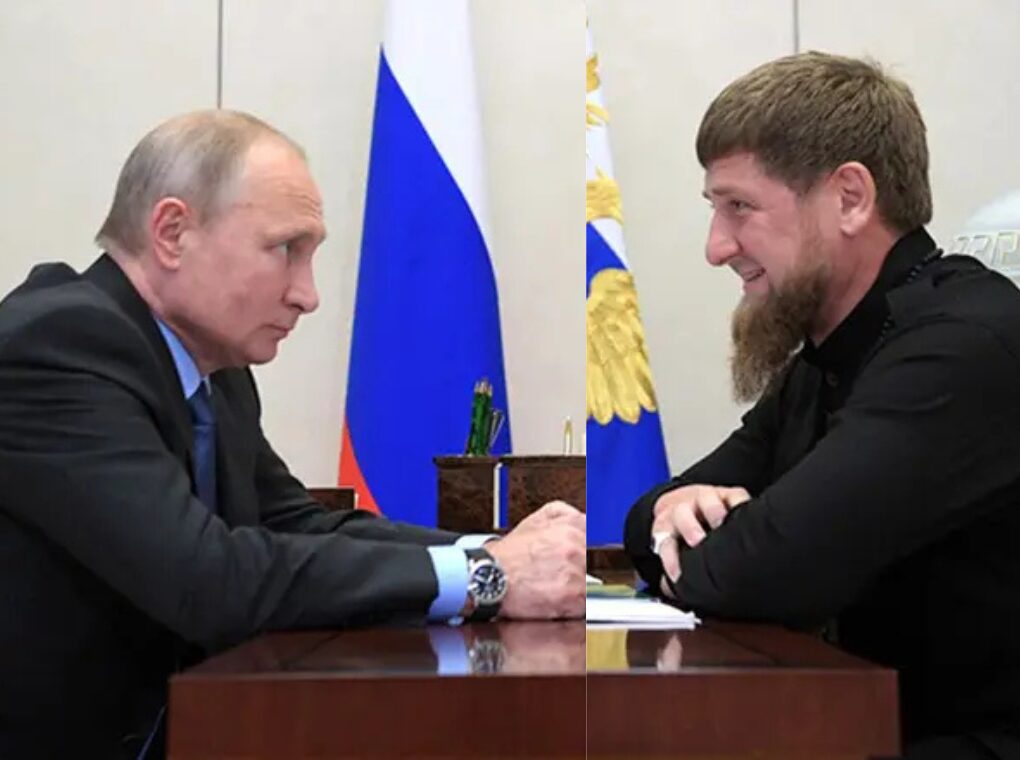
The ongoing tensions in West Asia are showing signs of a dangerous escalation, with fresh reports indicating that pro-Russian Chechen forces may enter the conflict if the United States initiates a ground invasion of Iran. The development adds a new dimension to an already volatile geopolitical situation involving Washington, Tehran, and Moscow.
According to Iran’s state broadcaster Press TV, combat units loyal to Chechen leader Ramzan Kadyrov have expressed readiness to fight alongside Iranian forces. These fighters, often referred to as the “Kadyrovites,” are considered a key component of Russia’s broader security framework and maintain close ties with the Kremlin.
Kadyrov, a staunch ally of Russian President Vladimir Putin, has reportedly reiterated full support for Iran amid the escalating conflict. The statement signals a potential expansion of the war beyond national armies, raising concerns about the involvement of allied paramilitary forces.
A Shift from Geopolitics to Ideology
One of the most concerning aspects of this development is the ideological framing of the conflict. Reports suggest that Chechen fighters have described their potential involvement as a “jihad,” portraying the war as a battle between good and evil.
This rhetoric marks a significant shift from traditional geopolitical narratives to a more ideological and religious dimension. Analysts warn that such framing could attract additional fighters and escalate the conflict further, making it more difficult to contain. Historically, conflicts driven by ideology tend to be prolonged and more unpredictable.
US Military Build-Up in the Region
At the same time, the United States is significantly increasing its military presence in West Asia. Under President Donald Trump, Washington is reportedly evaluating the possibility of launching a ground operation in Iran following weeks of aerial campaigns.
Reports indicate that thousands of troops, including elite paratroopers from the 82nd Airborne Division, have already been deployed to the region. Additional reinforcements, including Marines, naval forces, and Special Operations units, are also on standby.
Strategic objectives under consideration reportedly include securing Iran’s semi-enriched uranium stockpiles and capturing key infrastructure such as Kharg Island, a vital hub for Iran’s oil exports. If executed, such an operation could mark a significant escalation, potentially triggering a full-scale war.
However, in a notable development, Israel has indicated that it may not participate in any US-led ground invasion, signaling possible differences in strategy among allies.
Russia’s Growing Shadow Role
Russia’s involvement remains a critical factor in the unfolding crisis. While Moscow has not officially declared direct military intervention, it continues to be one of Tehran’s closest strategic partners.
There are increasing reports suggesting that Russia may be providing indirect support to Iran, including drone technology, satellite intelligence, and coordinated operational insights. The potential deployment of Chechen forces, who operate under Kadyrov’s command, could serve as a proxy extension of Russian influence in the conflict.
Such a move would significantly raise the stakes, potentially drawing global powers deeper into the crisis and increasing the risk of a broader confrontation.
Iran’s Strong Warning
Iran has responded to these developments with firm and uncompromising rhetoric. A senior Iranian military spokesperson warned that any invading force would face severe retaliation, stating that aggressors would be dealt with decisively.
Tehran appears to be preparing for a prolonged conflict, expanding its readiness beyond missile strikes and aerial engagements to include the possibility of ground warfare. The warning underscores Iran’s determination to resist any external military intervention.
A Growing Geopolitical Flashpoint
The situation now presents a complex and dangerous scenario. On one side, the United States is ramping up military deployments and considering a ground invasion. On the other hand, Iran is signaling readiness for an extended conflict, potentially backed by allied forces.
The possible entry of Chechen fighters adds another unpredictable element, while Russia’s indirect involvement further complicates the geopolitical landscape.
What was once a regional conflict is now at risk of evolving into a much larger confrontation with global implications. As tensions continue to rise, the coming days could prove critical in determining whether diplomatic efforts can prevail—or whether the world is heading toward a broader and more destabilizing conflict.