
In a significant setback to ongoing diplomatic efforts, Iran has rejected a proposal from Pakistan to temporarily reopen the strategically vital Strait of Hormuz in exchange for a short-term ceasefire in its escalating conflict with the United States and Israel.
According to senior Iranian officials speaking to Reuters, Tehran has made it clear that it will not accept a temporary arrangement that lacks guarantees of a lasting peace. The proposal, reportedly brokered by Islamabad, aimed to establish an immediate cessation of hostilities and reopen global energy routes before negotiating a broader settlement.
Iran’s Firm Position: No Temporary Fixes
Iran’s leadership remains deeply skeptical of short-term ceasefire agreements, citing what it describes as a “flawed cycle” of war, temporary truce, negotiations, and renewed conflict. Mohammad Fathali emphasized that Tehran’s decisions are guided by long-term national interests and past experiences.
He stated that Iran would only engage in diplomacy if it ensures sustainable security and tangible benefits for its people. This cautious stance reflects Tehran’s insistence on a permanent ceasefire framework rather than interim solutions.
Officials further noted that Iran is reviewing Pakistan’s proposal but will not be pressured into accepting deadlines or externally imposed conditions.
The ‘Islamabad Accord’ Proposal
The proposed plan—informally referred to as the “Islamabad Accord”—outlines a two-phase strategy. The first phase calls for an immediate ceasefire and reopening of the Strait of Hormuz, a crucial maritime corridor responsible for nearly 20% of global oil and gas flows. The second phase envisions comprehensive negotiations to finalize a long-term peace agreement within 15 to 20 days.
Pakistan has positioned itself as a key mediator, with its military leadership actively engaging both Washington and Tehran. Asim Munir has reportedly held continuous discussions with US Vice President JD Vance and Iran’s Foreign Minister Abbas Araqchi in an attempt to bridge differences.
Despite these intensive efforts, diplomatic sources suggest that the likelihood of a breakthrough remains slim.
Strategic Importance of the Strait of Hormuz
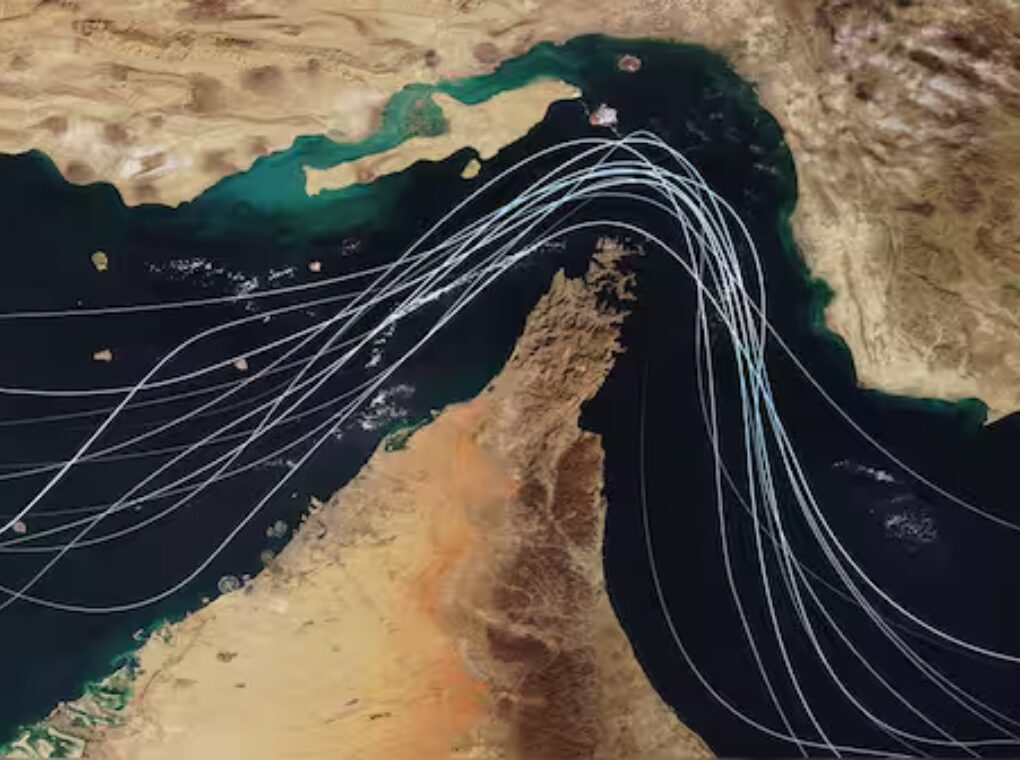
The Strait of Hormuz remains at the center of the crisis. This narrow waterway connects the Persian Gulf to global markets and is one of the world’s most critical energy chokepoints. Since the conflict escalated, Iran has effectively restricted access, allowing only select vessels from friendly nations such as India, China, and Russia to pass.
The disruption has sent shockwaves through global energy markets, with oil prices surging to over $120 per barrel. Shipping activity has dropped drastically due to heightened security risks, soaring insurance costs, and the threat of military confrontation.
Iran has also floated the idea of introducing a new legal regime governing the strait, potentially including transit tolls to compensate for war-related damages—an idea that could reshape global maritime trade norms.
US Pressure and Rising Tensions
On the other side, Donald Trump has intensified pressure on Tehran, reportedly issuing a firm ultimatum demanding the reopening of the Strait of Hormuz within a strict deadline. He has warned of further military strikes targeting critical Iranian infrastructure if compliance is not achieved.
The United States and Israel have already conducted coordinated strikes on Iranian military and nuclear facilities, aiming to weaken Tehran’s strategic capabilities and force a resolution.
However, Iran’s refusal to concede to temporary arrangements signals a prolonged standoff, with both sides holding firm to their positions.
What Lies Ahead?
As mediation efforts continue involving countries like Pakistan, Turkey, and Egypt, the path to de-escalation remains uncertain. Iran’s insistence on guarantees against future attacks, combined with demands for sanctions relief and access to frozen assets, adds further complexity to negotiations.
While diplomatic channels remain open, the rejection of the temporary ceasefire proposal underscores the deep mistrust between the parties. With the Strait of Hormuz still largely closed and global energy markets under strain, the coming days will be critical in determining whether diplomacy can prevail or if the conflict will escalate further.