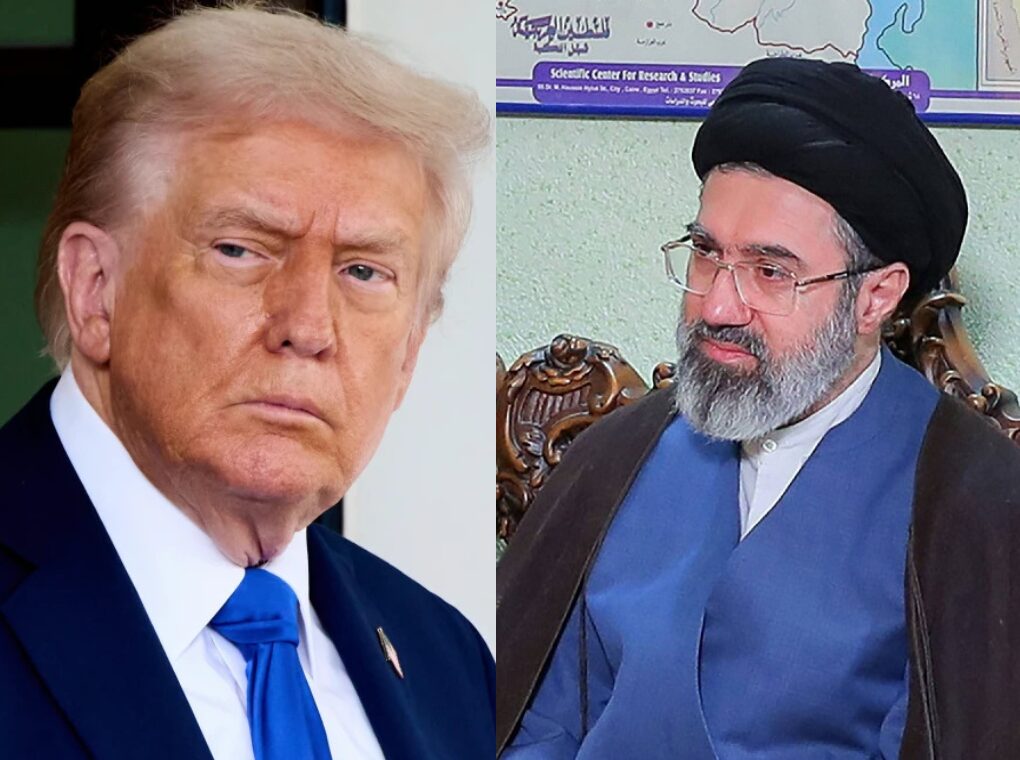
A dramatic two-week ceasefire between the United States and Iran has not only paused a dangerous escalation in West Asia but also signaled a shifting geopolitical order—one where Iran appears increasingly assertive, and global powers like China and Russia play decisive roles behind the scenes.
The truce, announced by US President Donald Trump just hours before a self-imposed deadline, came after nearly six weeks of intense military confrontation that disrupted global oil markets and pushed the region to the brink of a wider war. While Washington has framed the ceasefire as a “total victory,” Tehran’s narrative—and the broader diplomatic context—suggests a far more complex outcome.
China and Russia: The Silent Power Brokers
One of the most striking aspects of the ceasefire is the reported last-minute intervention by Xi Jinping and Russia, which helped bring Iran to the negotiating table. According to multiple sources, Beijing’s diplomatic pressure, combined with Pakistan’s mediation, played a crucial role in averting further escalation.
China’s involvement reflects its growing strategic footprint in West Asia, particularly as it deepens economic and energy ties with Iran and Gulf countries. Alongside Russia, China had earlier vetoed a UN resolution concerning the Strait of Hormuz, signaling its willingness to counter Western-led initiatives in the region.
This development reinforces the emergence of a multipolar order, where Washington no longer monopolizes crisis diplomacy. Instead, Beijing and Moscow are increasingly shaping outcomes—often in ways that align with their broader geopolitical interests.
Iran’s Strategic Position Strengthens
Iran has portrayed the ceasefire as a victory, with its Supreme National Security Council claiming that the US effectively accepted the framework of Tehran’s 10-point proposal. Notably, Iranian versions of the agreement include implicit recognition of its right to nuclear enrichment—an issue long contested by Washington.
Foreign Minister Abbas Araghchi emphasized that Iran would halt operations if attacks cease, while also ensuring safe passage through the strategically critical Strait of Hormuz. Reports that Iran and Oman may impose transit fees during the ceasefire hint at Tehran’s intent to leverage its geographic advantage for economic and political gain.
Despite suffering military pressure, Iran has demonstrated resilience—rapidly restoring missile infrastructure and maintaining operational capabilities. This has allowed it to negotiate from a position of relative strength rather than desperation.
The Strait of Hormuz: Economic Leverage
A central element of the ceasefire is the reopening of the Strait of Hormuz, through which nearly 20% of the world’s oil supply passes. The disruption of this chokepoint had triggered a global energy shock, underscoring Iran’s ability to influence international markets.
By agreeing to facilitate maritime traffic—potentially with added transit fees—Iran not only secures revenue but also reinforces its role as a gatekeeper of global energy flows. This economic leverage significantly enhances its bargaining power in ongoing negotiations.
Israel’s Strategic Gains—and Concerns
Israel, led by Prime Minister Benjamin Netanyahu, has also claimed success, asserting that its military objectives were largely met. However, political voices within Israel, including opposition leader Yair Lapid, have criticized the government for being sidelined in key decisions.
From a strategic perspective, the conflict has shifted regional priorities. The Palestinian issue has receded from immediate focus, while Israel may now intensify efforts against Iran-backed groups like Hezbollah. With Iran’s regional influence under scrutiny and Syria’s shifting dynamics, Israel could see an opportunity to reshape the security landscape.
A Changing Regional Order
The ceasefire highlights deeper structural changes in West Asia’s geopolitical architecture. Iran’s ability to withstand military pressure, negotiate favorable terms, and attract backing from major powers positions it as a central player in the region.
At the same time, traditional alliances are being tested. Gulf states, despite economic losses from disrupted oil flows, have shown limited appetite for aligning against Iran. The possibility—however distant—of some regional actors gravitating toward China’s orbit could further accelerate the decline of US dominance.
Competing Narratives: Victory or Compromise?
Both Washington and Tehran are presenting the ceasefire as a victory, reflecting the political necessity of maintaining domestic and international credibility. For the US, the agreement ensures the reopening of critical oil routes and creates space for negotiations. For Iran, it represents resistance against external pressure and validation of its strategic demands.
However, the reality likely lies somewhere in between. The proposed US 15-point plan—including limits on Iran’s nuclear program and regional activities—remains contentious. Similarly, Iran’s demands for sanctions relief, compensation, and a binding UN resolution may face resistance.
What Lies Ahead
The next two weeks are expected to be crucial, with potential in-person negotiations in Islamabad. The outcome will depend on whether both sides can bridge significant gaps in their positions.
What is clear, however, is that the ceasefire has already altered perceptions of power in West Asia. Iran’s assertiveness, combined with China and Russia’s diplomatic influence, signals a shift toward a more contested and multipolar regional order.
As the world watches the next phase of negotiations, one question looms large: is this ceasefire a temporary pause—or the beginning of a new balance of power in West Asia?
In either case, Iran’s role has undeniably expanded, and the era of unilateral dominance in the region appears increasingly uncertain.