
The United Kingdom has disclosed that it detected a prolonged presence of Russian submarines operating near critical undersea infrastructure in the North Atlantic. UK Defence Secretary John Healey made the announcement during a press briefing at Downing Street.
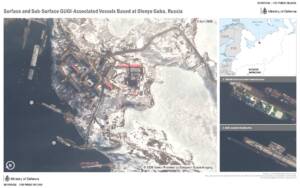
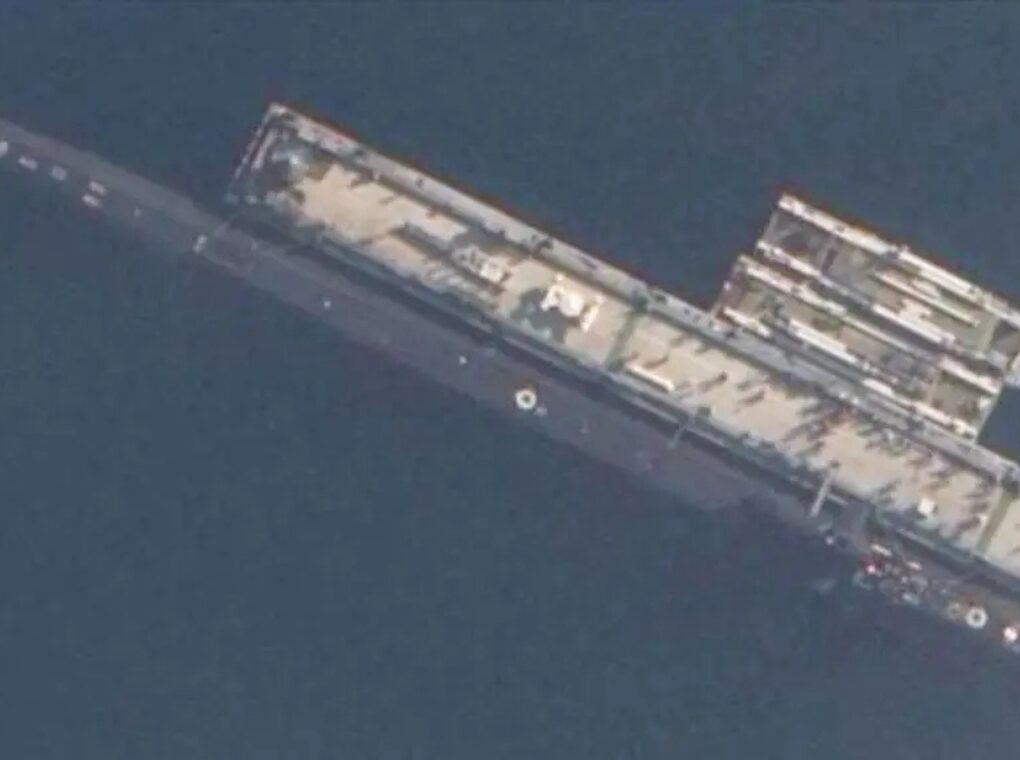
According to Healey, three Russian submarines were involved in the activity, including an Akula-class nuclear-powered attack submarine and two additional submarines linked to Russia’s Main Directorate of Deep-Sea Research (GUGI). These vessels were observed in areas close to important undersea cables and pipelines located north of the UK.
Monitoring and Duration of the Operation
UK authorities stated that the submarine activity continued for more than a month. In response, a Royal Navy warship and a Royal Air Force P-8 maritime patrol aircraft were deployed to monitor the situation. Officials indicated that the submarines were tracked continuously during their presence in the region.
The Akula-class submarine was later reported to have withdrawn from the area, followed by the two GUGI-associated vessels. UK officials confirmed that all three submarines have since moved away from British waters.
No Evidence of Damage to Infrastructure
The UK government emphasized that there is currently no evidence suggesting any damage to undersea cables or pipelines. However, the activity drew attention due to the strategic importance of such infrastructure.
Undersea cables and pipelines are essential for global communications, energy transport, and financial systems. Their security has become an area of increasing focus for governments, particularly in regions where geopolitical tensions are present.
Official Statement and Response
During the briefing, Healey stated that the UK is aware of activities taking place near its critical infrastructure. He also indicated that any potential threat to such systems would be taken seriously.
The UK has not accused Russia of causing damage in this instance but noted that the presence of foreign military assets in sensitive areas is monitored closely. Russian authorities have not publicly responded to the statement at the time of reporting.
Broader Context and Security Considerations
This is not the first time the UK has reported Russian activity near undersea infrastructure. Previous assessments by defense and security analysts have highlighted the vulnerability of seabed systems, particularly in the North Atlantic region.
The involvement of GUGI-linked submarines is notable, as these vessels are designed for deep-sea operations and are often associated with research and specialized missions at significant ocean depths.
Steps to Enhance Surveillance and Defense
Following the incident, the UK government announced measures aimed at strengthening its maritime monitoring capabilities. These include additional investment in submarine detection systems and maritime patrol aircraft.
Officials also referenced the development of new defense initiatives focused on protecting undersea infrastructure and maintaining situational awareness in the Atlantic.
Ongoing Monitoring
UK authorities indicated that monitoring of the region continues, with coordination among allied forces where necessary. The situation highlights the importance of surveillance and preparedness in safeguarding critical infrastructure located beneath the sea.
While no direct incident has been reported, the episode underscores the strategic relevance of undersea domains in current security considerations.