
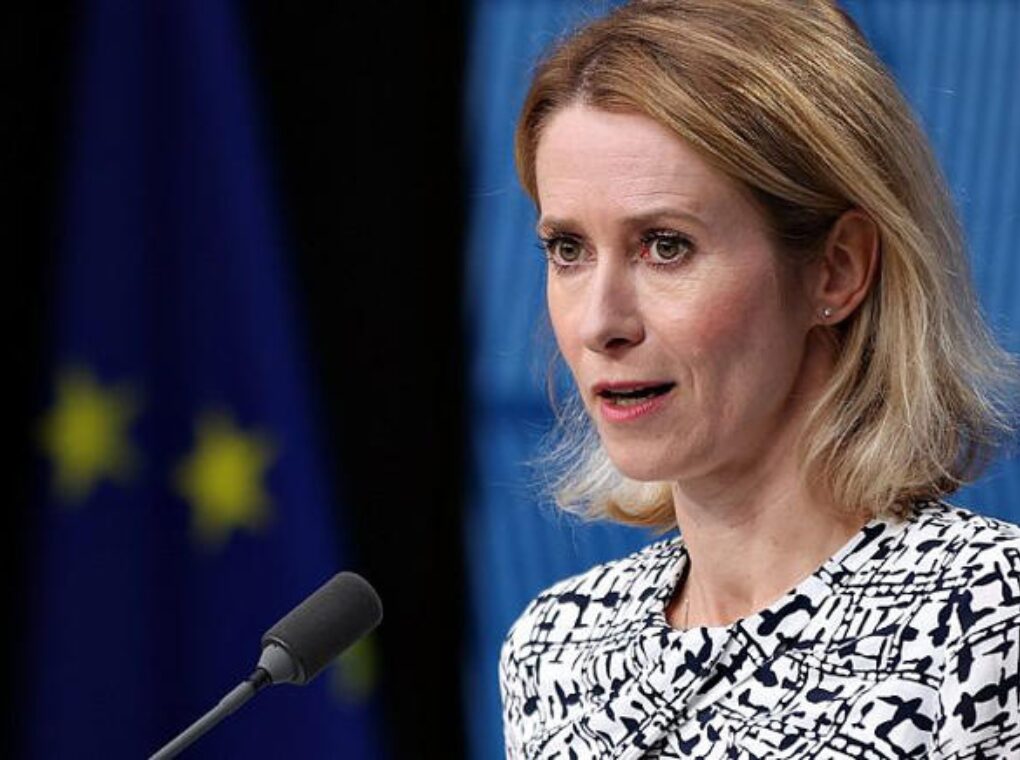
European Union foreign policy chief Kaja Kallas has intensified pressure on Moscow by suggesting that the withdrawal of Russian troops from Moldova’s breakaway Transnistria region should become one of the key conditions for any future peace agreement involving Ukraine.
The remarks, made ahead of a crucial meeting of EU foreign ministers in Cyprus later this month, signal a broader European strategy aimed not only at ending the war in Ukraine but also addressing long-standing Russian military influence across Eastern Europe.
Kallas, one of Europe’s strongest advocates for a hardline approach toward the Kremlin, stated that the European Union must first establish a united position before entering any meaningful negotiations with Russia.
“With Russia, we first need to agree among ourselves what we want from them,” Kallas said while discussing preparations for the May 27–28 informal EU foreign ministers’ meeting in Cyprus.
She argued that lasting peace in Europe requires Moscow to make real concessions rather than placing all diplomatic pressure solely on Ukraine.
Kallas Links Moldova’s Security to Ukraine Peace
During her remarks, Kallas directly pointed to the continued presence of Russian troops in Moldova’s separatist Transnistria region as a major obstacle to regional stability.
“I mean, there are Russian troops there. For example, it could be one of the conditions also for stability and security in the region — for them to withdraw their troops,” she explained.
The comments effectively connect the decades-old Transnistria dispute to broader negotiations surrounding the Ukraine conflict. Analysts say this reflects growing EU concern that unresolved “frozen conflicts” allow Moscow to maintain long-term leverage over neighboring states.
Transnistria, a narrow strip of land internationally recognized as part of Moldova, broke away in the early 1990s following the collapse of the Soviet Union. Since then, Russia has maintained approximately 1,500 to 2,000 troops in the territory under the label of “peacekeepers.”
However, Moldova and many Western governments consider the deployment an illegal military presence that undermines Moldovan sovereignty and threatens regional security.
EU Preparing Unified Demands Toward Russia
The upcoming Cyprus meeting is expected to focus heavily on defining what concessions the EU should demand from Russia if peace negotiations move forward.
According to European diplomats, discussions may include several major conditions:
- Respect for Ukraine’s territorial integrity
- An end to attacks on neighboring countries
- Withdrawal of Russian troops from disputed territories
- Accountability measures for war-related actions
- Long-term regional security guarantees
Kallas has repeatedly warned against negotiations that pressure only Kyiv while allowing Moscow to avoid meaningful compromises.
“We see that all requests are being sent to the Ukrainian side, while none are sent to the Russian side,” she previously noted.
Her stance reflects increasing frustration within parts of the EU over proposals that could freeze the conflict without addressing wider security concerns in Eastern Europe.
Moldova Emerging as Key Security Flashpoint
Kallas’s latest comments come shortly after her visit to Chișinău, where she met Moldovan President Maia Sandu and reaffirmed Brussels’ support for Moldova’s European integration ambitions.
During the visit, Kallas reportedly backed plans to significantly increase EU financial and defense assistance to Moldova through the European Peace Facility. The move aims to strengthen the country against growing hybrid threats, cyberattacks, political destabilization efforts, and alleged Russian interference.
Moldova, which officially became an EU candidate country in 2022, has increasingly aligned itself with Western institutions since Russia invaded Ukraine.
European officials now view Moldova’s security as closely tied to the outcome of the Ukraine war and broader Black Sea stability.
Russia Likely to Reject EU Proposal
Moscow has historically rejected calls to withdraw troops from Transnistria, insisting its forces serve a peacekeeping role and protect large Soviet-era ammunition depots located in the region.
Russian officials have also accused the West of attempting to expand NATO and EU influence deeper into former Soviet territories.
Still, Kallas and several Eastern European leaders argue that allowing Russian troops to remain indefinitely in disputed regions creates permanent instability and leaves neighboring countries vulnerable to future pressure.
Security experts note that Transnistria’s strategic location near southwestern Ukraine gives the territory added geopolitical importance, particularly amid continuing tensions in the Black Sea region.
Broader Shift in European Strategy
Observers say Kallas’s position highlights a wider transformation in EU thinking about security and diplomacy.
Rather than treating Ukraine as an isolated conflict, European policymakers increasingly see Russia’s military footprint across Moldova, Georgia, and other post-Soviet regions as part of a larger pattern of geopolitical influence.
By linking troop withdrawals in Moldova to Ukraine peace negotiations, Brussels appears to be signaling that future European security arrangements must address multiple regional flashpoints simultaneously.
The proposal also underscores Kallas’s growing influence within EU foreign policy circles. Since taking office as the bloc’s top diplomat, the former Estonian prime minister has consistently pushed for tougher sanctions, stronger military support for Ukraine, and a more confrontational approach toward the Kremlin.
High-Stakes Talks Ahead
As EU ministers prepare for the Cyprus discussions later this month, diplomats are expected to debate how far Europe should go in demanding concessions from Moscow.
Whether Russia would even consider such conditions remains uncertain. However, Kallas’s remarks make clear that some European leaders no longer view a simple ceasefire in Ukraine as sufficient for long-term peace.
Instead, the EU increasingly appears focused on reshaping the broader security landscape of Eastern Europe — starting with Russian military deployments beyond Ukraine’s borders.
For Moldova, Ukraine, and the wider region, the outcome of these discussions could play a major role in defining Europe’s future security order.