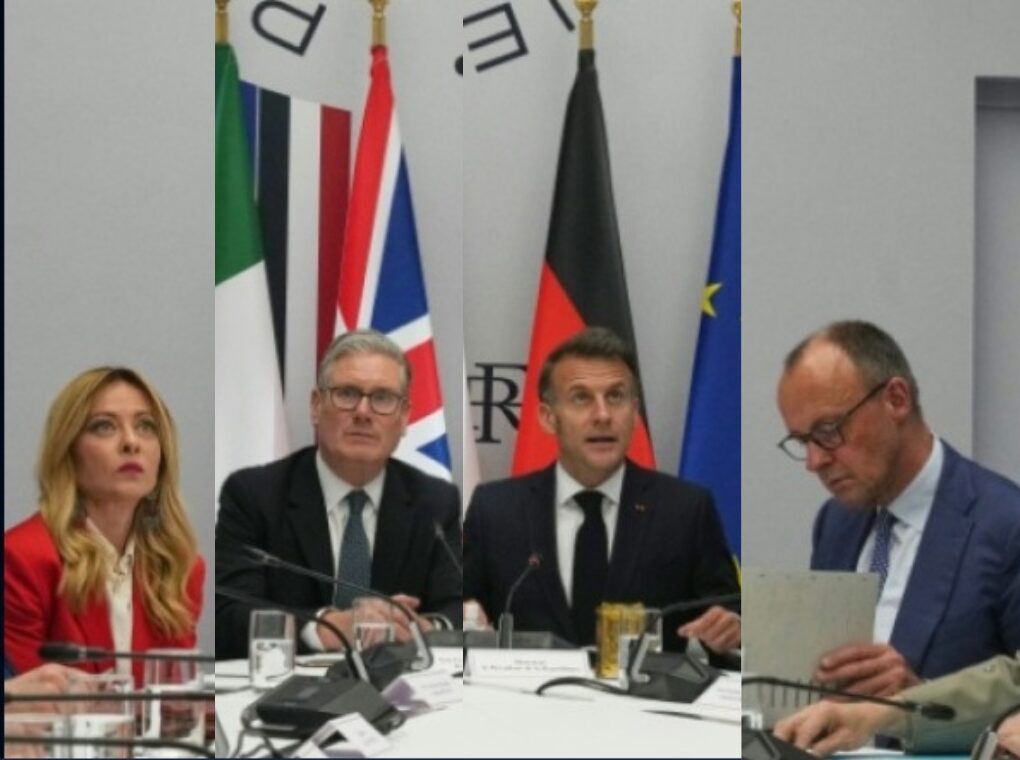
The joint statement, signed by countries including the United States, United Kingdom, Germany, France, Australia, Canada, and several European allies, directly accused Iran’s security apparatus of involvement in malign operations on foreign soil.
The governments named Iran’s Islamic Revolutionary Guard Corps-Intelligence Organisation (IRGC-IO), the Quds Force, and the Ministry of Intelligence and Security (MOIS), alleging their role in overseas activities ranging from intimidation and surveillance to suspected violent operations.
The message from the coalition was unambiguous: Iran “must halt these actions now.”
22 Countries Unite Against Alleged Iranian Overseas Operations
The joint declaration was issued by Albania, Australia, Belgium, Bulgaria, Canada, Czechia, Denmark, Estonia, Finland, France, Germany, Ireland, Latvia, Lithuania, the Netherlands, New Zealand, North Macedonia, Norway, Portugal, Sweden, the United Kingdom, and the United States.
According to the statement, the countries are committed to protecting their citizens, institutions, and territories from alleged Iranian-linked threats.
Officials accused Tehran of conducting or supporting “lethal plotting” and covert influence operations through intelligence networks and proxy groups operating abroad.
The warning represents one of the strongest coordinated diplomatic condemnations directed at Iran’s overseas activities in recent years.
Iran Accused Of Targeting Dissidents, Journalists, And Jewish Communities
The allegations go beyond traditional geopolitical disputes in the Middle East.
According to reports, the signatory nations condemned alleged plots targeting Iranian dissidents, journalists, Jewish communities, and Western interests across multiple countries.
Governments expressed concern over accusations that Iranian-linked actors have used criminal organizations and proxy groups to intimidate, harass, or allegedly orchestrate attacks against perceived opponents overseas.
Such allegations elevate the issue from diplomatic tensions to national security and sovereignty concerns for countries where these activities allegedly occur.
Security experts note that accusations of state-linked intimidation campaigns often trigger stronger intelligence cooperation, sanctions, and law-enforcement coordination among allies.
Iran-Linked Group HAYI Named In Statement
The statement specifically identified Harakat Ashab al-Yamin al-Islamiya (HAYI)**, a group described by Western governments as Iran-linked.
Authorities alleged the organization had claimed responsibility for attacks targeting Jewish communities in countries including the UK, Belgium, and the Netherlands.
The coalition condemned what it described as a pattern of intimidation and violence allegedly aimed at destabilizing communities and silencing critics abroad.
The statement further described ties between Iranian security agencies and international or local criminal networks as longstanding and deeply concerning.
Australia’s Previous Accusations Add Context
Australia’s inclusion in the statement reflects earlier diplomatic tensions with Tehran.
Reports indicate Australia previously accused Iran of involvement in antisemitic attacks, including an arson incident at a synagogue in Melbourne and the torching of a kosher café in Sydney.
Those allegations intensified Canberra’s concerns over alleged foreign-linked extremism and coercive activity within democratic societies.
For Western governments, the concern increasingly extends beyond Iran’s regional influence in the Gulf or its rivalry with Israel, focusing instead on alleged covert activities occurring inside their own borders.
Timing Raises Stakes Amid Escalating U.S.-Iran Tensions
The timing of the statement has drawn additional attention as tensions between Washington and Tehran continue to escalate.
The diplomatic warning reportedly came amid a broader deterioration in regional security, with military confrontations and retaliatory actions increasing pressure across the Middle East.
Although the statement is separate from battlefield developments, analysts believe its release signals growing fears that geopolitical conflicts could increasingly spill into covert actions abroad.
Western governments appear concerned not only about military escalation but also about alleged intimidation campaigns, targeted attacks, and security threats affecting diaspora communities and dissidents far from active conflict zones.
What Happens Next?
The coordinated warning may pave the way for stronger international action against suspected Iranian-linked networks.
Potential responses could include:
> Expanded sanctions against individuals or organizations
>Diplomatic expulsions
>Increased intelligence-sharing among allies
>Criminal prosecutions tied to alleged overseas plots
>Enhanced security measures for vulnerable communities
The effectiveness of the warning, however, will depend on enforcement and whether governments follow public accusations with concrete legal and diplomatic action.
Why This Matters
The significance of the statement lies in its broader message: concerns over Iran are no longer confined to the Middle East battlefield.
Western governments are signaling that alleged overseas intimidation, violence, and proxy operations will increasingly be treated as a collective security issue.
As geopolitical tensions intensify, authorities fear that conflicts traditionally fought through military means could also expand into pressure campaigns targeting journalists, dissidents, religious communities, and political opponents abroad.
For the 22 nations behind the statement, the warning is clear — disputes tied to Iran’s regional conflicts must not be carried onto their streets without consequences.