
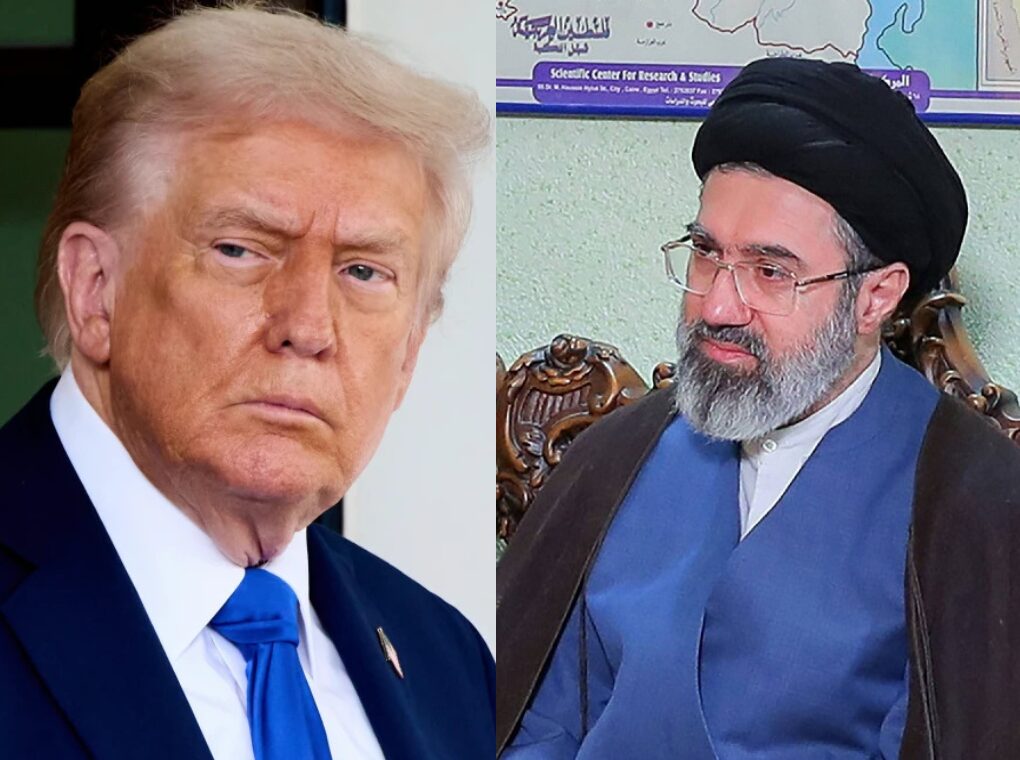
After months of military escalation, economic disruption, and growing fears of a wider regional war, the United States and Iran appear to be edging closer to a breakthrough agreement that could reshape the geopolitical landscape of West Asia. Officials from both nations suggest that a preliminary framework is nearly finalized, raising hopes for a potential end to hostilities, the reopening of the strategically vital Strait of Hormuz, and renewed negotiations over Iran’s nuclear ambitions.
However, despite the optimism surrounding the proposed arrangement, major disagreements remain unresolved — particularly over Iran’s enriched uranium stockpile, regional security, Hezbollah’s future, and Israel’s opposition to the deal.
US and Iran Reportedly Close to Historic Agreement
According to reports citing senior US administration officials, Washington and Tehran have already agreed on a draft memorandum of understanding and expect an initial arrangement to be formalized in the coming days.
Iranian Foreign Minister Abbas Araqchi has also hinted at progress in negotiations, although he maintained that revisions to the agreement are still possible before any final announcement.
The proposed agreement comes after months of military confrontations that significantly disrupted global energy markets and intensified instability across the Middle East. Since the conflict erupted earlier this year, oil prices surged amid fears over shipping disruptions in the Strait of Hormuz — one of the world’s most critical maritime trade routes.
Diplomatic sources indicate that Geneva is being considered as a possible venue for official discussions, although Iran reportedly prefers a remote signing process.
Strait of Hormuz at the Center of Negotiations
A major pillar of the proposed US-Iran framework reportedly focuses on reopening the Strait of Hormuz, which has remained vulnerable amid regional tensions.
The narrow waterway is one of the world’s most important oil transit chokepoints, handling nearly 20 percent of global oil and natural gas shipments before conflict-related disruptions. Restrictions in maritime movement caused significant volatility in energy prices and raised concerns about supply chain disruptions across Europe and Asia.
Under the proposed arrangement, Iran could facilitate safer maritime access through the Strait in exchange for partial sanctions relief and the gradual release of billions of dollars in frozen Iranian assets.
However, Tehran appears unwilling to relinquish leverage over the strategic passage. Iranian Foreign Minister Araqchi recently stated that Iran would continue to exercise significant control over the waterway alongside Oman, signaling that Tehran still intends to maintain regional influence.
Iran’s Nuclear Programme Remains the Biggest Obstacle
While the reopening of Hormuz may be addressed quickly, the most contentious issue — Iran’s nuclear programme — has reportedly been postponed for separate negotiations expected to continue over the next 60 days.
The Trump administration has repeatedly emphasized that dismantling Iran’s nuclear capabilities remains a core objective. Washington reportedly seeks the destruction or removal of Iran’s highly enriched uranium stockpile and the establishment of a strict international verification mechanism.
Yet Tehran has strongly resisted calls to dismantle its nuclear infrastructure.
Iran instead favors “down-blending” enriched uranium — a process that converts highly enriched material into less dangerous forms while preserving aspects of its nuclear program.
One of the most sensitive disputes centers on approximately 970 pounds of highly enriched uranium, reportedly stored beneath facilities previously targeted during US and Israeli military operations.
Experts warn that any attempt to seize or destroy the material without Iran’s cooperation could significantly escalate military tensions.
Did Trump Achieve His Military Goals Against Iran?
The evolving deal has also renewed debate over whether President Donald Trump’s military campaign against Iran achieved its intended objectives.
Throughout the conflict, Trump repeatedly claimed that US operations had severely damaged Iran’s missile infrastructure, drone manufacturing capabilities, and military production facilities.
American officials maintain that Iran’s defense industry suffered major setbacks and may require years to recover.
However, military analysts argue Tehran still retains enough operational capability to launch regional strikes.
Recent incidents appear to support those concerns. US forces reportedly intercepted Iranian drones near the Strait of Hormuz, while Gulf countries including Kuwait and Bahrain have faced missile and drone threats during the conflict.
Although Washington insists Iran’s military capabilities have been significantly weakened, officials acknowledge that Tehran still possesses limited strike capacity.
Israel Emerges as Major Challenge to Lasting Peace
One of the biggest uncertainties surrounding the proposed US-Iran deal is Israel’s position.
Israeli Prime Minister Benjamin Netanyahu has reportedly distanced his government from ongoing negotiations, making clear that Israel will not become a formal party to the agreement.
The disagreement is especially sensitive because Iran has linked parts of the arrangement to developments in Lebanon, where Israeli military operations against Hezbollah continue.
Iranian officials suggest the agreement could eventually lead to reduced tensions in Lebanon and Israeli withdrawal from disputed areas. Israeli authorities, however, have rejected such claims and insist they will retain operational flexibility against perceived threats.
The divergence highlights growing tensions between Washington and Tel Aviv over diplomatic engagement with Tehran.
What Happens Next?
Although both sides appear closer than ever to reaching a diplomatic breakthrough, the path to a lasting settlement remains uncertain.
The reopening of the Strait of Hormuz and sanctions relief may offer immediate economic benefits, particularly for global energy markets. Yet deeper issues — including Iran’s nuclear future, regional proxy conflicts, and Israel’s security concerns — continue to threaten long-term stability.
If finalized, the agreement could mark one of the most consequential diplomatic shifts in the Middle East in recent years. But with unresolved disputes still looming, observers caution that optimism should be tempered with realism.
For now, the world watches closely as Washington and Tehran attempt to transform fragile diplomacy into lasting peace.