
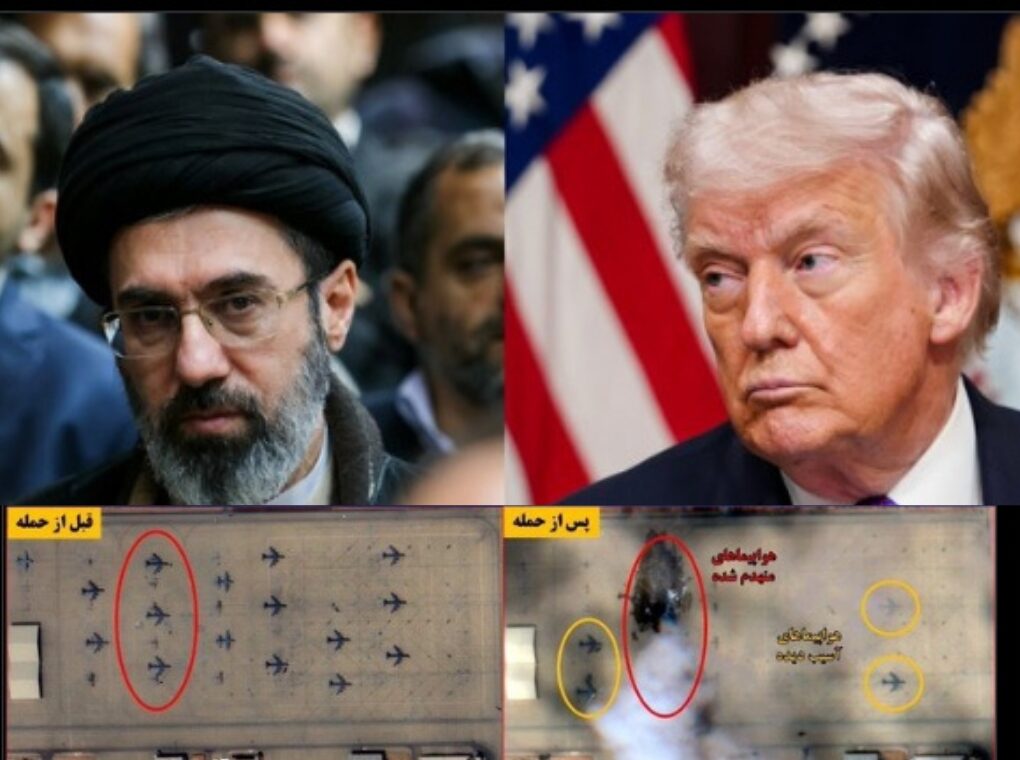
A new diplomatic agreement between the United States and Iran could reshape the geopolitical landscape of the Middle East, with reports suggesting Washington and Tehran are nearing a broad framework deal aimed at reducing tensions over Iran’s nuclear ambitions, regional security, and maritime trade.
The proposed agreement, expected to move toward formalization later this week, marks a dramatic turn in US foreign policy. Eight years after President Donald Trump withdrew from the Obama-era Iran nuclear accord, Washington is once again negotiating with Tehran—this time under circumstances critics argue may favor Iran more than the United States.
What Is in the Proposed US-Iran Deal?
According to emerging reports, the agreement extends beyond Iran’s nuclear program and touches on multiple regional flashpoints, including security in the Strait of Hormuz, sanctions relief, Lebanon, military deployments, and maritime trade routes.
The reported framework would reportedly include:
> Partial sanctions relief for Iran
>The unfreezing of nearly $12 billion in Iranian assets
>Restoration of shipping routes through the Strait of Hormuz
>A temporary halt to new US sanctions during negotiations
>Restrictions on additional US military deployments near Iran
>Commitments by Tehran to limit nuclear escalation and avoid direct threats to regional stability
The deal reportedly seeks to reduce immediate military tensions rather than permanently resolve disputes over Iran’s nuclear capabilities.
Oil Markets React as Hormuz Tensions Ease
Global energy markets reacted quickly to signs of de-escalation. Brent crude prices reportedly fell after indications emerged that Washington and Tehran were moving toward an agreement, signaling investor optimism that risks to one of the world’s most important oil transit chokepoints could temporarily ease.
The Strait of Hormuz remains a critical maritime route through which a substantial portion of global oil supplies passes. Any disruption in the region has historically triggered fears of major energy shocks and price volatility.
Critics Say New Deal Is Weaker Than Obama-Era Nuclear Agreement
The emerging framework has reignited debate over the Trump administration’s 2018 decision to exit the Joint Comprehensive Plan of Action (JCPOA), the landmark nuclear deal negotiated during former President Barack Obama’s administration.
Critics argue the proposed 2026 arrangement may provide Tehran with economic incentives while offering fewer nuclear restrictions than the earlier agreement.
Trump withdrew from the JCPOA in 2018, arguing it failed to permanently stop Iran’s nuclear ambitions and promising a “better deal” through a maximum pressure strategy involving sanctions and diplomatic isolation.
However, analysts now argue that Washington may be negotiating from a weaker position after years of escalating regional tensions.
Some observers suggest that if the current framework proceeds, Iran could emerge with major strategic gains, including financial relief, reduced military pressure, and broader diplomatic space without fully dismantling its nuclear infrastructure.
Major Questions Remain on Iran’s Nuclear Program
Despite diplomatic momentum, significant questions remain unresolved.
While reports indicate Iran may agree to refrain from pursuing nuclear weapons, details regarding uranium enrichment limits, inspections, verification mechanisms, and the future of Iran’s nuclear infrastructure remain unclear.
Security experts warn that without stronger monitoring systems, the agreement could merely pause the crisis rather than eliminate long-term risks surrounding Iran’s nuclear ambitions.
Israel Voices Concern Over US-Iran Diplomacy
The reported agreement has also reportedly generated concern in Israel, where officials fear a reduction in pressure on Tehran could strengthen Iran’s regional influence.
Israeli leadership has long viewed Iran’s missile program and support for regional groups such as Hezbollah and the Houthis as major security threats.
Reports suggest disagreements have also surfaced regarding provisions linked to Lebanon and broader regional security arrangements, potentially creating friction between Washington and Tel Aviv.
Can the Deal Survive Regional Pressure?
Despite optimism surrounding diplomatic progress, experts caution that Middle East agreements have historically faced implementation challenges.
Domestic political opposition in both Washington and Tehran, regional tensions involving Israel and Lebanon, and disagreements over enforcement mechanisms could still derail negotiations.
For now, the proposed agreement appears aimed at stabilizing energy markets, preventing military escalation, and reopening diplomatic channels between longtime adversaries.
Whether it becomes a lasting diplomatic breakthrough—or merely a temporary pause in regional tensions—may depend on how both sides implement the next phase of negotiations.