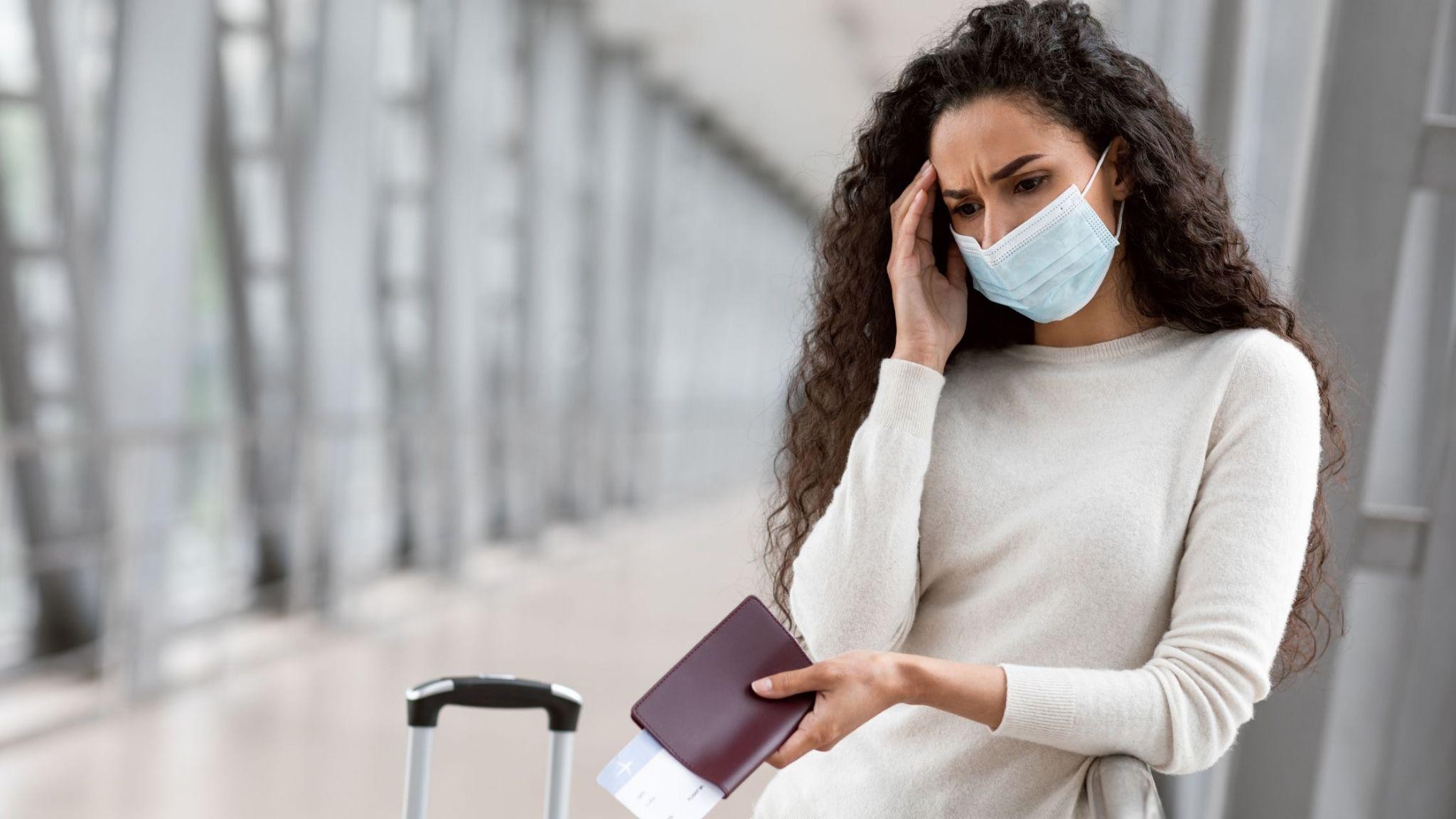
Travel brings new food, weather, routines, and long hours outdoors, so falling sick abroad can happen even during a well-planned trip. A sudden fever, stomach infection, injury, or allergic reaction can feel stressful in an unfamiliar country. When travellers know how to act, whom to contact, and what documents to keep, they can manage the situation more calmly and make informed decisions.
What Usually Happens When You Fall Sick Abroad?
Illness abroad often begins with confusion, especially when local healthcare, language, and payment processes feel different from home.
You Need to Assess the Severity of Your Condition
Start by checking how serious your symptoms are. Mild discomfort may need rest, fluids, and a nearby pharmacy, while severe symptoms need medical attention.
- Watch for high fever, breathing difficulty, chest pain, dehydration, fainting, or serious injury.
- Do not ignore symptoms that worsen quickly.
- Avoid self-medication without guidance, especially in a foreign country.
You May Need to Find Local Medical Care
Finding reliable care becomes the next priority. Hotels, local contacts, embassies and travel assistance teams may guide you towards suitable clinics or hospitals. For Indian travellers comparing the best travel insurance for their needs, it is useful to check emergency assistance details and claim requirements before departure.
- Choose recognised medical facilities wherever possible.
- Carry your passport, visa details, and insurance documents.
- Keep your insurer’s assistance contact details accessible during the trip.
Language and Healthcare System Challenges Can Arise
Different countries follow different medical procedures, appointment systems, and documentation rules. Language gaps may also make symptoms harder to explain.
- Use translation apps for basic medical terms.
- Write down your allergies, medicines, and medical history.
You May Have to Pay Medical Costs Upfront
If your itinerary includes Vietnam, check how your Vietnam travel insurance handles medical reimbursement before departure. Some hospitals may ask travellers to pay first and claim later, which can feel unexpected, particularly during emergencies.
- Ask for itemised bills before leaving the facility.
- Keep payment proofs safe.
- Use cards or authorised payment methods where possible.
- Claim settlement depends on policy terms, documents submitted, and insurer assessment.
Your Travel Insurance Becomes Important
Travel insurance can be important when illness interrupts your trip. Depending on the plan, it may support medical expenses, emergency assistance, hospitalisation, or related travel concerns.
- Read your policy before travelling.
- Save the insurer’s assistance number offline.
- Check claim procedures in advance.
- Benefits, limits, and approvals remain subject to the policy wording.
What Should You Do if You Become Sick Abroad?
Act early, stay organised, and keep your insurer informed. Small steps taken quickly can reduce confusion later.
Seek Medical Attention Promptly
Timely medical care can prevent a minor illness from becoming more serious. Do not wait too long when symptoms feel unusual.
- Visit a clinic or hospital based on urgency.
- Follow the doctor’s advice carefully.
- Ask for written diagnosis and prescriptions.
- Keep medicine labels and dosage instructions, especially when continuing treatment after returning home.
Contact Your Travel Insurance Provider
Inform your travel insurance provider as soon as possible, especially for hospital visits, emergency care, or major medical expenses.
- Call the assistance number mentioned in your policy.
- Share your location, symptoms, and hospital details.
- Ask about documents required for claims.
- Follow the process suggested by the insurer to avoid avoidable delays.
Keep All Medical Documents and Receipts
Documentation is one of the most important parts of a travel insurance claim. Missing papers may make the assessment more difficult.
- Keep doctor’s notes, test reports, prescriptions, bills, and receipts.
- Take clear photos or scans as backup.
- Note the hospital name and the treating doctor’s details.
- Preserve boarding passes or trip-related documents, where relevant.
Inform Family or Emergency Contacts
Being sick abroad can feel isolating, so let someone you trust know what is happening. This is especially important during hospitalisation or when travel plans change.
- Share your location and hospital details.
- Send updates when possible.
- Keep emergency contacts accessible on your phone.
- Inform your travel partner, hotel desk, or tour coordinator when needed.
Conclusion
Falling sick abroad can disturb your travel plans, but a calm and informed response can make the situation easier to manage. Assess your symptoms, seek timely medical care, contact your insurer, and keep every document safely. Before travelling, choose insurance based on destination, health needs, trip duration, and budget. Since coverage and claims depend on policy terms and insurer assessment, reading the policy carefully is always worthwhile.