
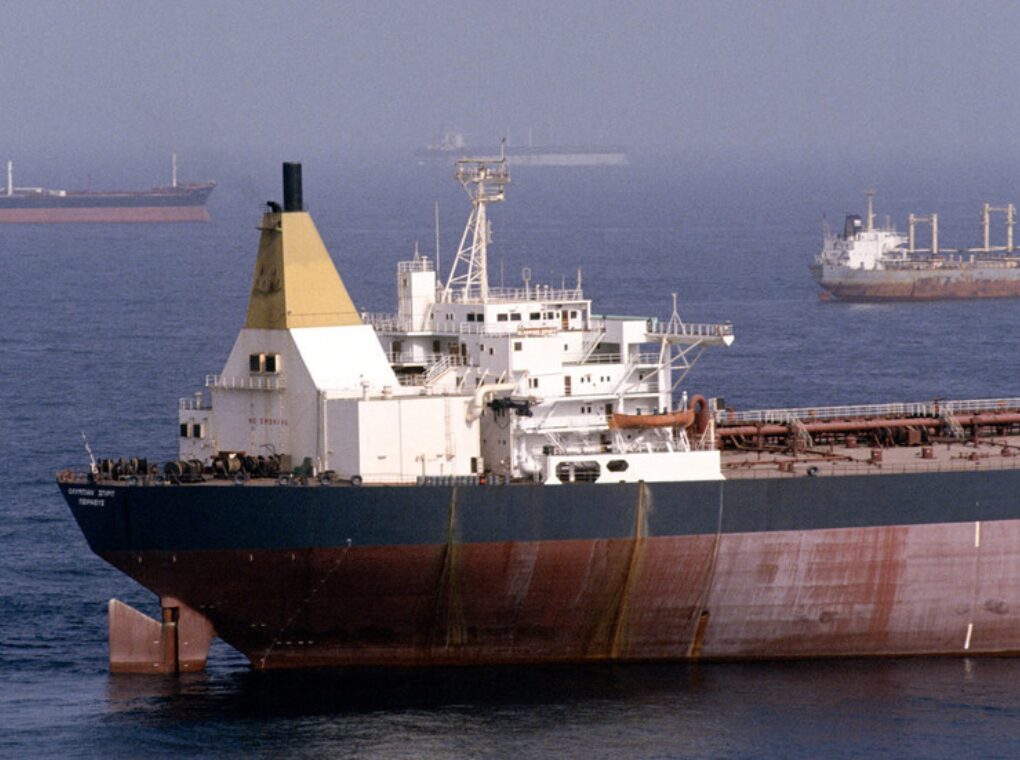
The United States has announced a temporary easing of sanctions on Iran’s oil sector, allowing the production, sale, delivery, and import of Iranian crude oil and petrochemical products for a 60-day period. The move marks a major policy shift in Washington’s approach toward Tehran and comes amid renewed diplomatic efforts between the two longtime adversaries.
According to the US Treasury Department, the newly issued Iran General License X authorizes transactions involving Iranian-origin crude oil, petroleum products, and petrochemicals. The waiver was confirmed by US Treasury Secretary Scott Bessent, who said the decision is part of ongoing negotiations aimed at reaching a broader agreement with Iran.
The temporary authorization goes beyond previous exemptions. Unlike General License U, introduced in March 2026—which only permitted the sale of oil already loaded before a specific deadline—the new waiver allows fresh production activities, effectively reopening Iran’s oil exports to global markets.
The license also covers critical services tied to oil trade, including vessel management, shipping insurance, crew operations, fuel bunkering, classification services, and emergency repairs. Significantly, it permits payments in US dollar-denominated transactions directly to Iran, its government, or sanctioned entities involved in approved deals.
In another major development, the waiver also temporarily lifts restrictions on importing Iranian oil and petrochemical products into the United States, a move that could have broader implications for global energy markets.
The policy change follows a memorandum of understanding reached earlier this month between Washington and Tehran, in which the US pledged immediate sanctions relief in exchange for progress in ongoing diplomatic talks.
Over the weekend, representatives from both countries met in Switzerland for high-level negotiations mediated by Qatar and Pakistan. The talks reportedly resulted in a 60-day roadmap aimed at reaching a final agreement, alongside plans for technical discussions and the establishment of a high-level committee to oversee implementation.
Iranian officials stated that discussions focused heavily on economic relief, including the release of frozen Iranian assets and the removal of restrictions on its ports and shipping infrastructure.
Iran possesses some of the world’s largest oil and gas reserves, but its energy sector has faced years of heavy sanctions that restricted access to shipping services, international insurance, banking systems, and global buyers.
Despite these restrictions, Iran continued exporting crude oil—primarily to China, which remains its largest customer. Much of the oil has been purchased by independent Chinese refiners willing to risk US penalties.
The temporary waiver is expected to increase Iranian oil supply in global markets, potentially affecting crude prices and reshaping geopolitical dynamics in the Middle East. Analysts say the next 60 days will be critical in determining whether the two nations can reach a broader and more permanent agreement.