
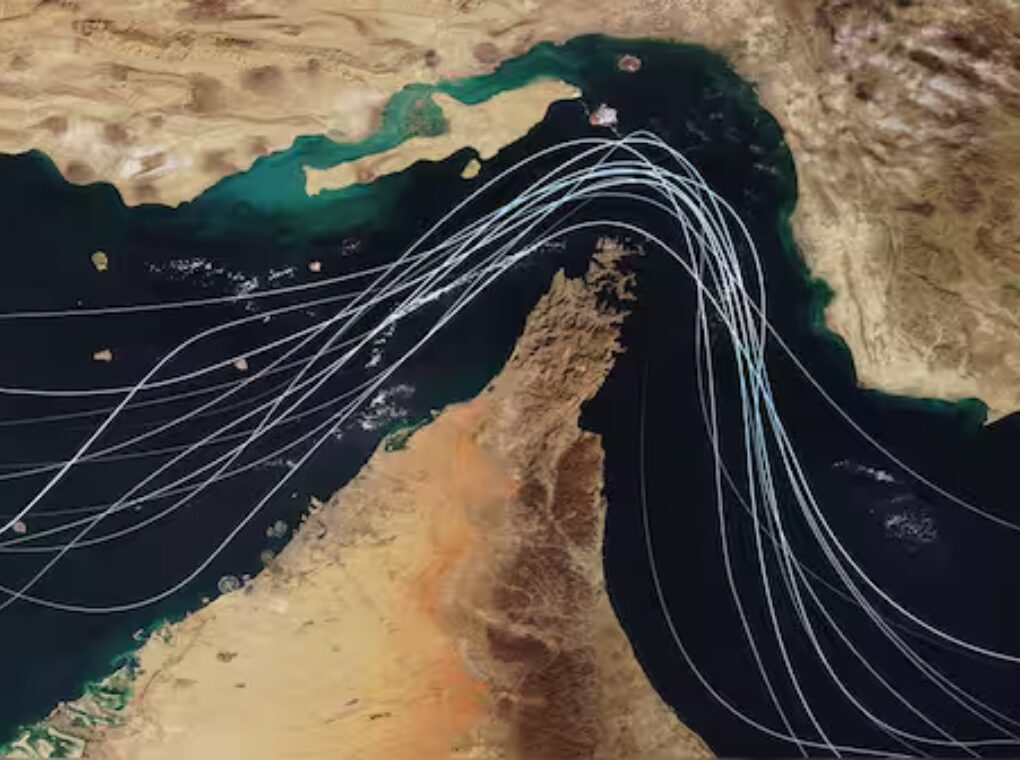
In a major geopolitical development following months of escalating tensions between Iran, the United States, and Israel, Iran’s chief negotiator and parliamentary speaker Mohammad Bagher Ghalibaf has declared that the strategically vital Strait of Hormuz will remain firmly under Iranian administration and “will never return to its pre-war conditions.”
Speaking on Tuesday after high-level negotiations in Switzerland, Ghalibaf emphasized that the Islamic Republic had emerged stronger from the recent conflict and would continue exercising tighter oversight over one of the world’s most critical energy corridors.
“The Strait of Hormuz will never return to its pre-war conditions and will be administered by the Islamic Republic of Iran,” Ghalibaf said, according to AFP.
The statement comes at a crucial time, as the Strait of Hormuz remains the world’s most important shipping lane for oil and gas exports, connecting the Persian Gulf to the Gulf of Oman and the Arabian Sea. Nearly a fifth of global oil supplies transit through the waterway, making any shift in control or security arrangements a matter of international concern.
Iran Secures $12 Billion Frozen Assets Deal
In another significant breakthrough, Ghalibaf confirmed that Tehran had finalized an agreement with U.S. officials for the release of $12 billion in frozen Iranian assets.
The negotiations, held in Switzerland, reportedly resulted in a framework aimed at reducing tensions while addressing long-standing financial disputes between Washington and Tehran.
The asset release could provide much-needed economic relief for Iran, which has been battling years of sanctions and economic pressure.
New Maritime Communication Channel Established
One of the most notable outcomes of the talks is the establishment of a new communication mechanism between Iran and the United States concerning ship movements through the Strait of Hormuz.
According to Iranian officials, the communication line is designed to prevent misunderstandings, avoid accidental military confrontations, and ensure smoother maritime traffic in the highly sensitive region.
This move could prove crucial in stabilizing global energy markets, which have remained volatile amid fears of disruptions in Gulf shipping routes.
Iran Claims Diplomatic Victory Over Trump Warning
Ghalibaf also claimed that Iran successfully pressured Donald Trump into revising a social media warning directed at Tehran during the negotiations.
Trump had reportedly warned Iran against continuing support for regional proxy groups, particularly Hezbollah, which Washington views as a major threat.
According to Ghalibaf, the U.S. altered the message within an hour—an episode Tehran is portraying as evidence of its growing diplomatic leverage.
‘We Don’t Trust the US’
Despite the apparent progress, Iranian officials remain deeply skeptical of Washington’s intentions.
“We have never trusted the Americans; we don’t trust them now, and it is only reasonable to remain distrustful in the future,” Ghalibaf stated.
The comments underline the fragile nature of the current negotiations, even as both sides attempt to prevent further military escalation.
Background: Months of Conflict Led to Interim Deal
The latest diplomatic developments follow an interim agreement signed last week, ending over three months of intense military exchanges that began after U.S. and Israeli strikes on Iranian positions.
Tehran responded with retaliatory attacks targeting Israel and Gulf states hosting American military bases, bringing the region dangerously close to a wider war.
While the interim agreement has eased immediate tensions, major disagreements remain unresolved.
What It Means for Global Markets
Iran’s tougher stance over the Strait of Hormuz could have far-reaching implications for oil prices, shipping security, and global energy stability.
Any disruption or stricter Iranian control over the route could trigger sharp increases in crude oil prices and deepen uncertainty across international markets.
For now, the world is closely watching whether diplomacy can hold—or whether the fragile peace could unravel once again.