
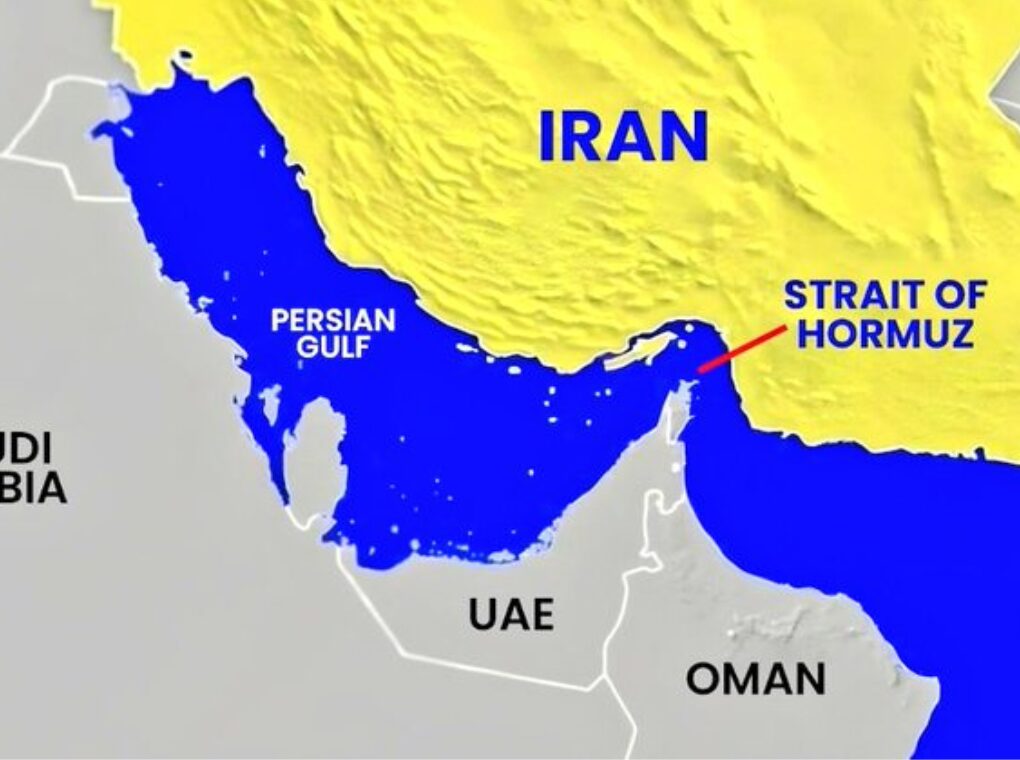
Washington and Tehran have entered a fresh diplomatic and legal confrontation over Iran’s proposed transit tolls in the strategically vital Strait of Hormuz, a move that could reshape global shipping and energy markets.
The dispute erupted after Iran signaled plans to introduce maritime transit fees for vessels passing through the narrow waterway, one of the world’s most critical oil chokepoints. The decision follows the 60-day negotiation framework established under the recent memorandum of understanding between the United States and Iran.
US Secretary of State Marco Rubio strongly opposed Tehran’s move, stating that Iran has no legal authority to impose charges on ships using what Washington considers an international waterway.
Speaking during his visit to the United Arab Emirates on Wednesday, Rubio said, “It’s an international waterway. No country is allowed to charge tolls or fees on an international waterway. That’s existing international law.”
He further emphasized that regional allies share Washington’s stance, warning that any final agreement with Tehran must explicitly prevent such charges.
Iran Defends Right to Levy Fees
Iran, however, has pushed back against the US position. Iranian Parliament Speaker and chief negotiator Mohammad Bagher Ghalibaf argued that Tehran has the sovereign right to administer and regulate traffic through the Strait.
“Everyone should know that the administration of the Strait of Hormuz will never go back to the way it was before the war,” Ghalibaf told Iranian state media.
Tehran has temporarily suspended the implementation of transit fees for 60 days while ongoing negotiations with Washington continue in Switzerland. However, officials indicated that tolls could be activated if talks collapse before the deadline.
Iran and Oman Discuss Joint Management
In a significant development, Iran and Oman announced plans to explore new mechanisms for managing navigation in the Strait of Hormuz, including maritime services and associated costs.
A new joint working group is expected to review the future framework for administration of the strait. The memorandum signed last week also invites other Gulf nations to join discussions on the long-term governance of the strategic route.
The Strait of Hormuz carries nearly 20% of global oil shipments, making it one of the most crucial maritime corridors in the world. Any disruption or regulatory change could trigger major volatility in global energy prices.
Legal Gray Zone Over International Maritime Law
The legal battle centers around the 1982 United Nations Convention on the Law of the Sea (UNCLOS), which establishes the principle of “transit passage” and generally prevents coastal states from blocking or taxing international navigation.
While the Strait lies within both Iranian and Omani territorial waters, international shipping has historically operated under this transit framework.
However, Iran has never ratified UNCLOS, instead relying on its domestic maritime laws to justify its claims, creating a major legal gray zone.
Shipowners Caught Between Conflicting Orders
Despite the waterway remaining open, global shipping firms now face mounting confusion.
Iran has instructed vessels to seek prior clearance and follow routes closer to its coastline, while the US and Western maritime insurers have advised ships to use the Omani side of the strait under American air protection.
The contradictory guidance has left shipowners uncertain about the safest and most legally secure route through one of the world’s most sensitive maritime zones.
As negotiations continue, the outcome could have far-reaching consequences not only for US-Iran relations but also for global trade, oil markets, and maritime law.