Iran’s decision to expel International Atomic Energy Agency (IAEA) Director General Rafael Grossi and remove all IAEA surveillance cameras from its nuclear facilities marks a dramatic escalation in its standoff with the West over its nuclear ambitions. This move comes just days after a 12-day war between Iran and Israel, which also saw direct US involvement, ended in a ceasefire. The fallout from these strikes and Iran’s subsequent actions are reshaping the landscape of nuclear oversight and regional security.
What Prompted Iran’s Move?
The immediate catalyst was the joint US-Israeli strikes on Iranian nuclear and military infrastructure, which aimed to cripple Iran’s suspected nuclear weapons development. These attacks resulted in significant casualties, including the deaths of top Iranian scientists and military officials, and caused widespread outrage in Tehran.
Iran claims that Israel obtained “sensitive facility data” about its nuclear sites, which it alleges was enabled by international monitoring mechanisms. In response, Iranian lawmakers passed legislation mandating the suspension of cooperation with the IAEA, with future access conditioned on approval by Iran’s Supreme National Security Council.
The End of Transparency
Iran’s removal of surveillance cameras and expulsion of the IAEA chief effectively ends the most robust nuclear monitoring regime in the world. Under the 2015 nuclear deal (JCPOA), Iran had allowed intrusive inspections and continuous video monitoring in exchange for sanctions relief. However, after the US, under President Trump, withdrew from the deal in 2018 and reinstated sanctions, Iran gradually reduced its compliance and oversight.
For the first time, Iran’s stockpiles of highly enriched uranium and its centrifuge production are now completely out of reach for UN inspectors, marking an unprecedented breakdown in nuclear oversight. The IAEA has warned it has lost “continuity of knowledge” about Iran’s nuclear activities, making it impossible to track uranium enrichment or centrifuge inventories.
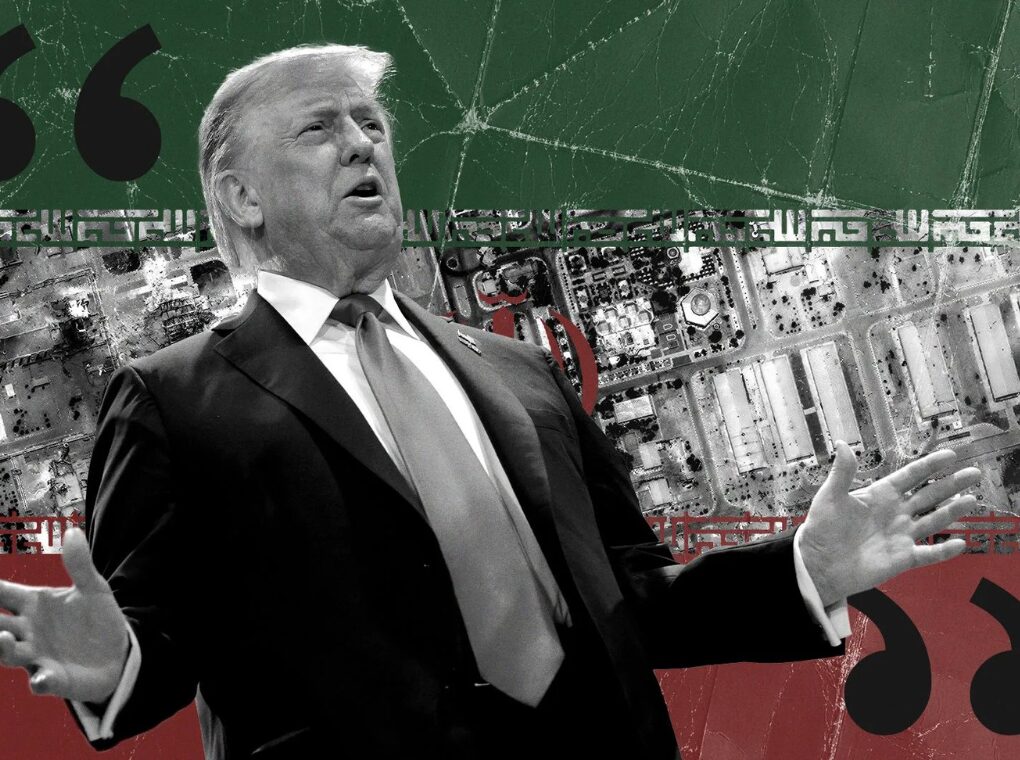
Director General Rafael Grossi has raised the alarm over the unknown whereabouts of nearly 900 pounds of uranium enriched to 60%—just short of weapons-grade—after Iranian officials claimed it was relocated for protection ahead of anticipated US and Israeli airstrikes. This comes as President Trump declared that American strikes had “obliterated” Iran’s nuclear capabilities, though it is too soon to assess the full impact on Iran’s program.
While B-2 bombers targeted major Iranian nuclear sites in Isfahan, Fordo, and Natanz, the IAEA’s inability to verify the location of Iran’s sensitive uranium stockpile—last seen on June 10—underscores growing fears that nuclear transparency in Iran has collapsed amid escalating tensions.
Geopolitical and Strategic Implications
Loss of Oversight: The international community now has limited ability to verify whether Iran’s nuclear activities remain peaceful, heightening fears of a covert nuclear breakout.
Regional Instability: The absence of transparency increases the risk of further pre-emptive or retaliatory actions by Israel or the US, as well as potential escalation across the Middle East.
Non-Proliferation at Risk: Iran’s move undermines the global non-proliferation regime. Other countries may be emboldened to restrict international oversight, weakening the credibility of the Non-Proliferation Treaty (NPT).
Diplomatic Fallout: Prospects for reviving nuclear diplomacy are now even more remote. Russia and China have called for continued IAEA cooperation, but Iran’s position is hardening, and Western powers face new obstacles to negotiation.
Trump’s Role and Response
President Trump’s legacy looms large over this crisis. His 2018 decision to withdraw the US from the JCPOA and reimpose sanctions was a turning point that set the stage for today’s confrontation. In the current crisis, Trump’s administration has backed Israel’s military actions and signaled support for maximum pressure on Iran, arguing that only forceful measures can prevent Tehran from developing nuclear weapons. US officials contend that the strikes have significantly set back Iran’s nuclear program, but also acknowledge that the end of IAEA monitoring creates new verification challenges.
Trump’s approach is likely to combine continued sanctions, diplomatic isolation, and support for regional allies, while leaving open the possibility of further military action if Iran resumes nuclear escalation. However, this strategy also risks pushing Iran further away from international engagement and deeper into secrecy.
Iran’s expulsion of the IAEA chief and removal of surveillance cameras is a watershed moment in the nuclear standoff, ending years of unprecedented transparency and oversight. Triggered by joint US-Israeli military action and deepening mistrust, this move heightens the risk of miscalculation, regional conflict, and the unravelling of non-proliferation norms. As President Trump’s administration doubles down on pressure, the path forward is fraught with uncertainty— it risks alienating key U.S. allies in Europe who remain committed to diplomacy and non-proliferation through multilateral mechanisms. It could also push Iran closer to Russia and China, recalibrating the geopolitical balance in ways that may diminish U.S. influence. In this volatile climate, where each provocation risks triggering broader confrontation, the stakes for regional and global security have rarely been more acute.