TFIGlobal
TFIGlobal
TFIPOST English
TFIPOST हिन्दी
No Result
View All Result
  • Indo-Pacific
  • Americas
  • Canada
  • Indian Subcontinent
  • West Asia
  • Europe
  • Africa
  • The Caribbean
TFIGlobal
  • Indo-Pacific
  • Americas
  • Canada
  • Indian Subcontinent
  • West Asia
  • Europe
  • Africa
  • The Caribbean
No Result
View All Result
TFIGlobal
TFIGlobal
No Result
View All Result
  • Indo-Pacific
  • Americas
  • Canada
  • Indian Subcontinent
  • West Asia
  • Europe
  • Africa
  • The Caribbean

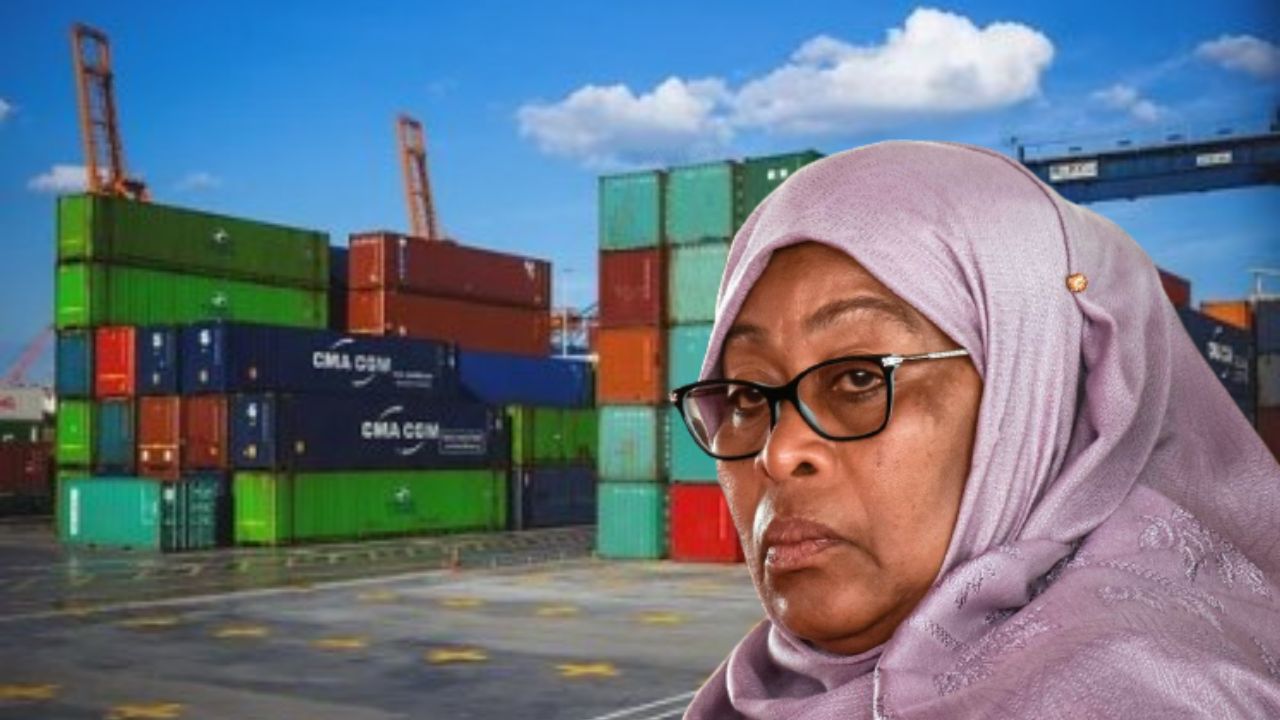
Tanzania bans food exports to meet its own shortage

Bishnu Rathi by Bishnu Rathi
February 9, 2023
in Africa, Geopolitics
Tanzania bans food exports
Share on FacebookShare on X

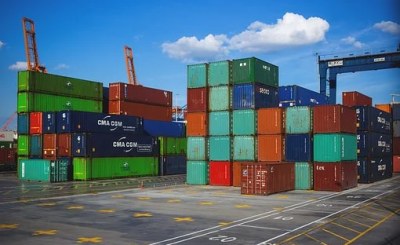
Tanzania bans food exports ban: Zanzibar’s President Dr. Hussein Mwinyi has banned the export of all food commodities to curb shortages and price hikes. Additionally, the president has instructed traders to release food stored in warehouses to mitigate shortages and rising prices.

He stated that the traders’ hoarding of food has caused inconvenience to the people of Zanzibar. In this regard, the president has ensured that the government will take necessary steps to ensure that food prices continue to decrease by calling upon traders to purchase sufficient stocks of food as the Muslims approach the Holy Month of Ramadan.

Also Read

The 1,000-Mile Kill Shot: America’s New Missile Plan Puts China in Its Sights

Orca XLUUV Completes 1,852km Uncrewed Patrol Across the Pacific

Cheques and balances: the Beijing-linked money quietly flowing through America’s universities

Read More: Tanzania is going to be Africa’s largest energy hub in the Indian Ocean

Zanzibar’s food shortage saga

The ban comes as the archipelago and Tanzania in general are facing a severe challenge of rising food prices. The trend in price hikes indicates that the prices of some products have increased due to the decrease in production during the 2021/2022 farming season.

Some of the food items whose prices have gone up include maize, maize flour, rice, beans, potatoes, wheat flour, sugar, and cooking oil. The primary cause of these products being affected is the shortage of rain, particularly during the agricultural season.
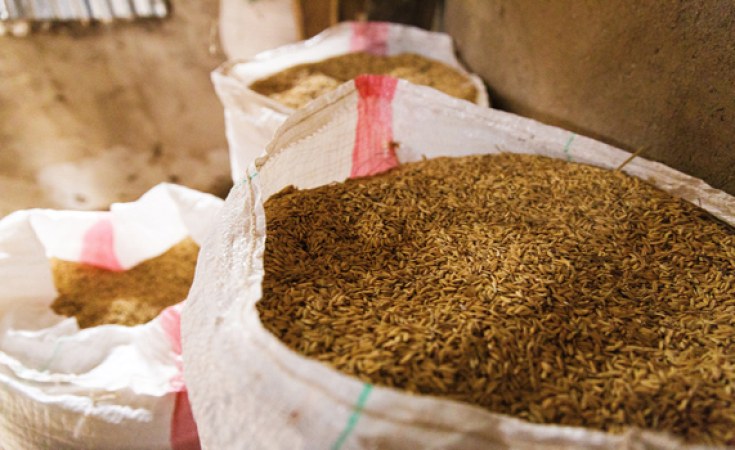
(Source: allAfrica)

For instance, the price of maize has increased to 1,890/- per kilogram from 1,500/- per kilogram in November, while the price of rice has increased from 3,200/- per kilo to 3,500/-. Similarly, the price of a kilogram of potatoes in Dar es Salaam, Njombe, and Mbeya has hiked to 1,875/- from 688/- in the previous month.

In this context, temporarily banning food exports makes complete economic sense for Tanzania. This is mainly due to multiple factors such as fears of extremely low production amidst high demand for exports due to the Russia-Ukraine war and a sharp decrease in procurement for buffer stocks for the common Tanzanians.

The rising retail inflation and skyrocketing commodity costs in both domestic and global markets are reasons why the Tanzania administration should restrict food exports in the short term.
(Source: allAfrica)

To be clear, African nations have historically exported commodities even when production was below the subsistence level for internal consumption, making these countries dependent on parasite powers like America, Europe, and China, who viewed this as a venue to exert influence on African domestic issues.

Read More: Tanzania becomes the second African country to scrap BRI project

What Next ?

As a result, the recent decision by the Zanzibar government could serve as a growth strategy for several African countries. It’s important to note that export restrictions are not limited to underdeveloped countries. Even major countries like America have occasionally prohibited the export of critical commodities, putting all the popular discourse about free-and-open global trade on the back burner. As a result, any attempts by these nations and their multilateral institutions to compel Tanzania into amending the export prohibition should be met with harsh opposition. Going forward, African countries facing similar challenges should look for solutions at the domestic level rather than relying on help from the West.

https://www.youtube.com/watch?v=EG7IY6BfoZ4

Tags: Chinafood storageMaizeRussia-Ukraine warSub-Saharan AfricaTanzaniaUSWheat flourZanzibar
ShareTweetSend
Bishnu Rathi

Bishnu Rathi

Bishnu Rathi, Associate Editor (Global Desk, English) at TFI Media. Undergrad student from Shaheed Bhagat Singh College, Delhi University. I am a geopolitical aficionado with an adherence to Mearsheimerian Realism.

Also Read

President Donald Trump signs an order in the foreground as Lake Ontario and the Toronto skyline appear behind him, with American and Canadian flags symbolising the escalating dispute over the lake's name and US-Canada relations.

Trump Renames Lake Ontario ‘Lake America’, and Google Has Already Redrawn the Map

August 31, 2026
A dramatic nighttime scene showing a US warship facing a large oil terminal engulfed in flames, with explosions, thick black smoke, fighter jets, and missiles streaking across the sky above the sea after strikes

Trump Posts AI Video of Kharg ‘Blown to Smithereens’ as US and Iran Trade Fire

August 31, 2026
A dramatic scene showing the flags of Turkey, Saudi Arabia and Pakistan above military aircraft, soldiers and air-defence systems, as a large Saudi-style oil refinery burns in the background. Three leaders stand in the foreground watching the unfolding crisis.

Turkey, Saudi Arabia and Pakistan Open First Defence Pact Talks as Saudi Refineries Burn

August 31, 2026
A nighttime protest riot in Jakarta, with demonstrators facing riot police amid tear gas and water cannon spray as a guard post and motorcycles burn nearby.

Fire, Tear Gas, and 322 Detained: Jakarta’s Anti-Corruption Protest Ends in a Riot

August 31, 2026
A dramatic geopolitical oil scene showing an oil refinery and pumpjack, the US Capitol, Venezuelan mountains and flag imagery, and a large oil tanker at sea, symbolising the US–Venezuela oil deal.

Trump’s Venezuela Oil Deal: 65 Billion Barrels, a 100-Year Lease, and a Country Divided

August 30, 2026
A hypersonic glide vehicle streaks through the upper atmosphere as it launches a missile toward a US AWACS radar aircraft, with tanker and support aircraft flying in the distance above dramatic cloud cover.

China’s Hypersonic Gliders Can Now Shoot at Aircraft — And America’s Radar Planes Are the Target

August 25, 2026
Youtube Twitter Facebook
TFIGlobalTFIGlobal
Right Arm. Round the World. FAST.
  • About Us
  • Contact Us
  • TFIPOST – English
  • TFIPOST हिन्दी
  • Careers
  • Brand Partnerships
  • Terms of use
  • Privacy Policy

©2026 - TFI MEDIA PRIVATE LIMITED

Welcome Back!

Login to your account below

Forgotten Password?

Retrieve your password

Please enter your username or email address to reset your password.

Log In

Add New Playlist

No Result
View All Result
  • Indo-Pacific
  • Americas
  • Canada
  • Indian Subcontinent
  • West Asia
  • Europe
  • Africa
  • The Caribbean
TFIPOST English
TFIPOST हिन्दी

©2026 - TFI MEDIA PRIVATE LIMITED

This website uses cookies. By continuing to use this website you are giving consent to cookies being used. View our Privacy and Cookie Policy.