For nearly a year, global attention was consistently directed toward news sources and articles that prophesied a substantial transformation looming over the world: The expansion of BRICS.
BRICS, a celebrated economic consortium of significance by virtue of its combined economic potency, enlists Brazil, Russia, India, China, and South Africa. The considerable populace and GDP of these nations collectively reconfigure worldwide commerce and fiscal systems.
Their abundant resource endowments, assorted marketplaces, and geopolitical sway act as a counterpoise to Western supremacy.
Centered on innovation, this nexus functions as a nucleus for commerce, capital infusion, and technological strides. This coalition epitomizes collaboration among nations of the Global South, presenting a substitute for established hegemonic dynamics and fostering a more polycentric global landscape.
BRICS has new Allies
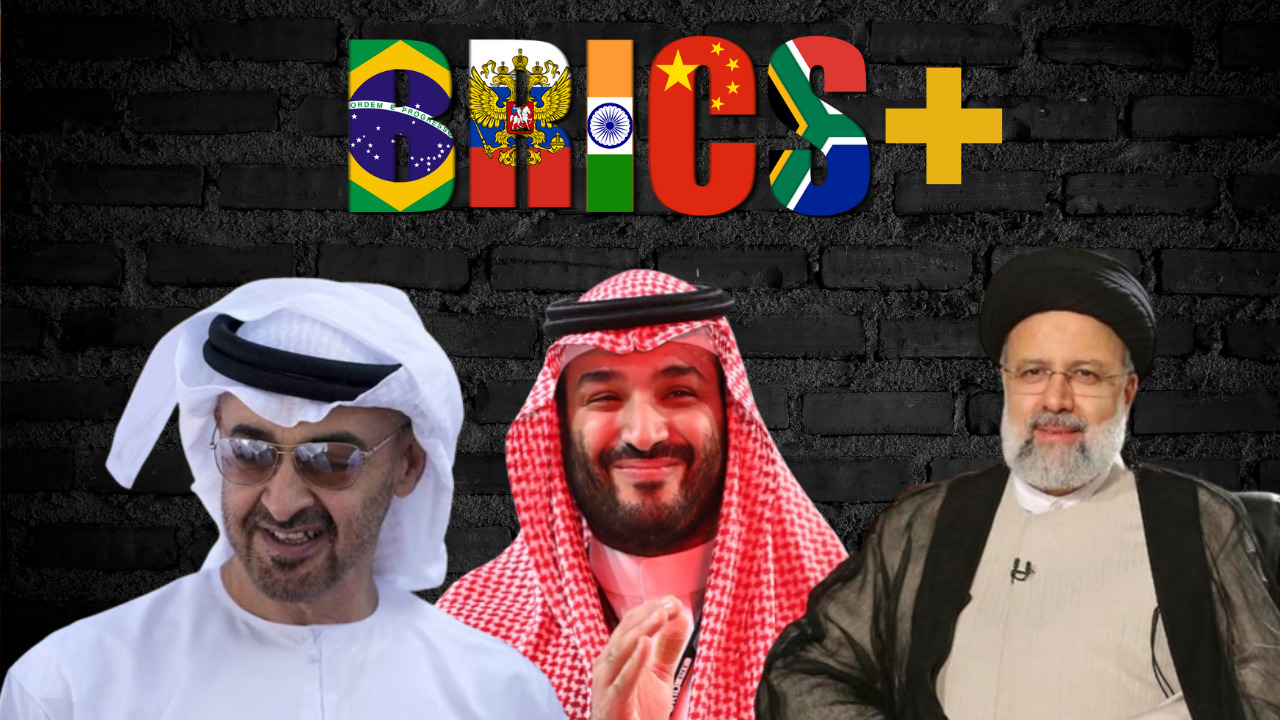
Last week, the long-anticipated development finally happened. The BRICS constituents extended an invitation to six additional nations to join the BRICS consortium starting in 2024, engendering a geopolitical equilibrium vis-à-vis the G7 and potentially erecting a structure to curtail reliance on Western fiscal frameworks.
The collective resolved to include Argentina, Egypt, Ethiopia, Iran, Saudi Arabia, and the United Arab Emirates as full-fledged constituents of the assemblage, widely perceived as a counterbalance to Western dominion.
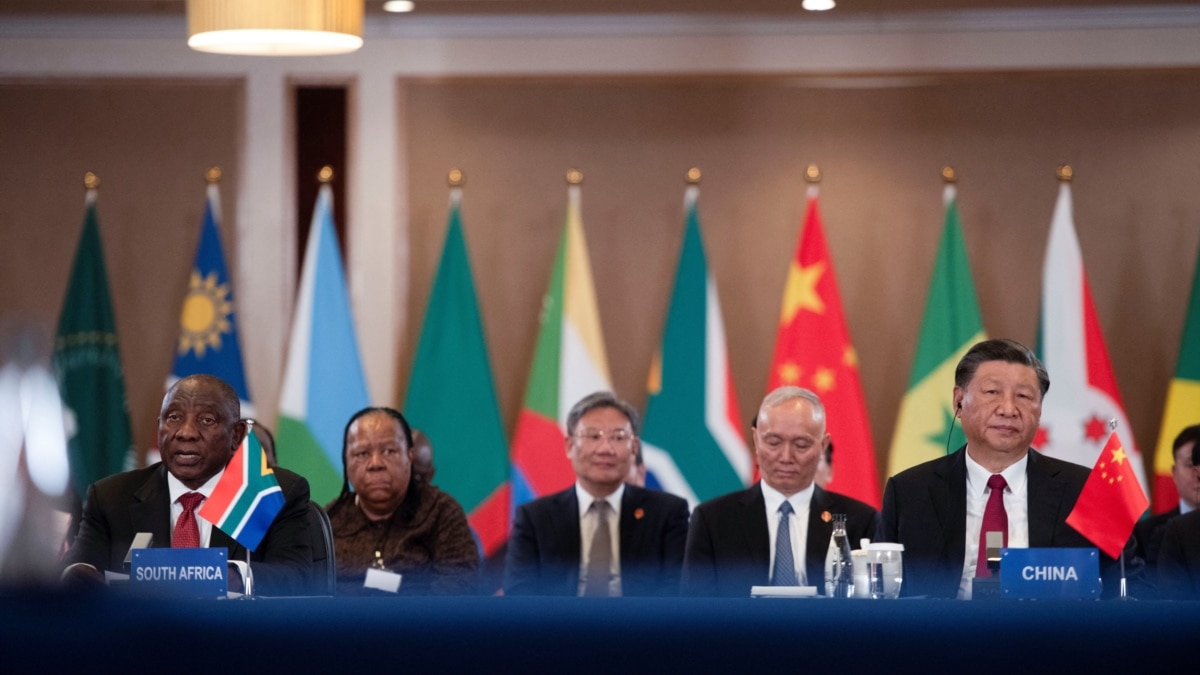
At present, the BRICS consortium commands a notable 41 percent segment of the worldwide populace, underpinned by a 24 percent stake in the global Gross Domestic Product (GDP), accompanied by a consequential 16 percent interest in the global trading arena.
However, the revelation that six members will be joining the consortium, BRICS is very soon going to be a geopolitical phenomenon never seen before.
It’s all about Oil
With the integration of Saudi Arabia, the United Arab Emirates, and Iran, this expanded coalition engulfs within its ambit three of the most substantial purveyors of crude oil across the globe, which controls 42 percent of the worldwide oil supplies.
By amalgamating with their allied counterparts within the BRICS framework, the members thereof ascend to a commanding position, governing an astonishing 80 percent expanse of the overall global oil output.
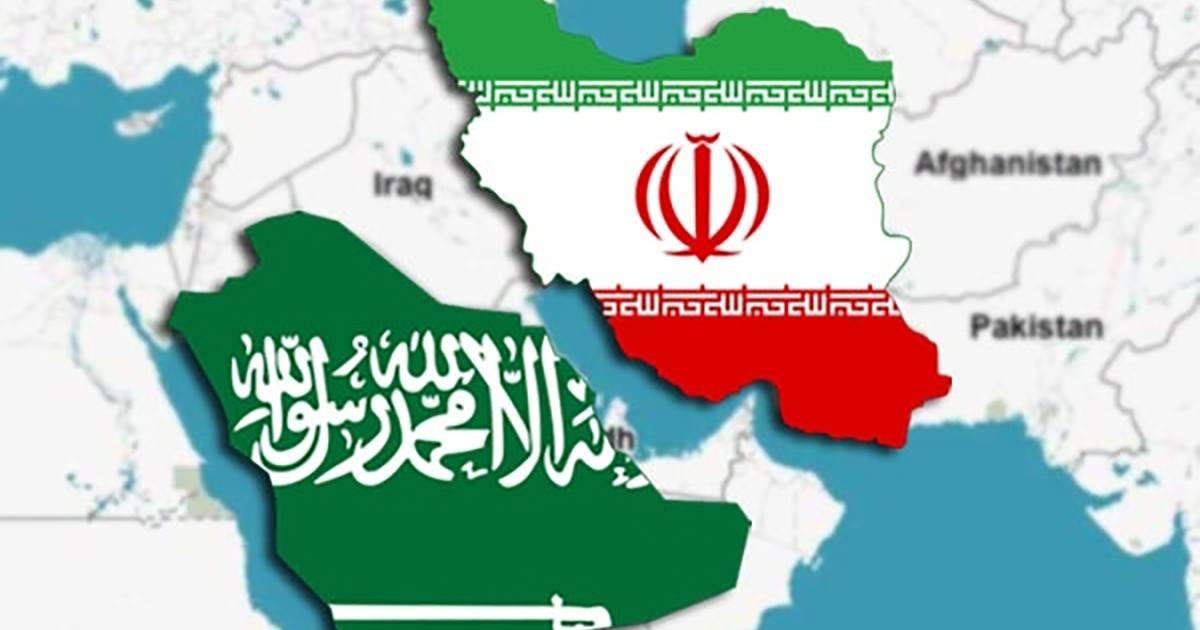
The management of the oil market shall continue under the jurisdiction of the Organization of the Petroleum Exporting Countries and its affiliated producers (OPEC+). However, looking ahead, an expanded coalition of BRICS nations could exert noteworthy influence over the energy markets.
For years, OPEC+ member states have consistently voiced their grievances concerning Western energy sanctions imposed on Iran and Venezuela, which have invariably restricted investment opportunities and the free flow of exports.
Read More: BRICS Expansion: Implications for Global Economic Balance
No More Sanctions by the West?
More recently, the imposition of embargoes by the European Union (EU) on Russian maritime crude oil and petroleum products, coupled with EU-G7 directives on price ceilings, has made it more obvious that Western hegemony on energy markets has expanded way too much.
Among the energy exporting nations, primarily, Iran and Saudi Arabia, a prevailing concern has emerged regarding the potential targeting of their interests by forthcoming sanctions tools.
An expanded group of BRICS countries would also benefit China and India. These nations have notably abstained from aligning with the “price cap coalition” that directs its focus towards Russia.
Expanding the BRICS alliance signifies the five global economic powerhouses seizing control of world energy dynamics. The ‘B’ in BRICS now symbolizes Oil Barrels—an unexpected and impactful move that catches the West off guard.
Read More: BRICS: Brazil’s ambitious plan to shake up global politics
While a comprehensive analysis of this expansion is still underway, the initial implications hint at impending challenges for the US and Europe in energy negotiations. The geopolitical stage is set for a dramatic shift in energy influence, as these nations grasp the reins of global energy authority.