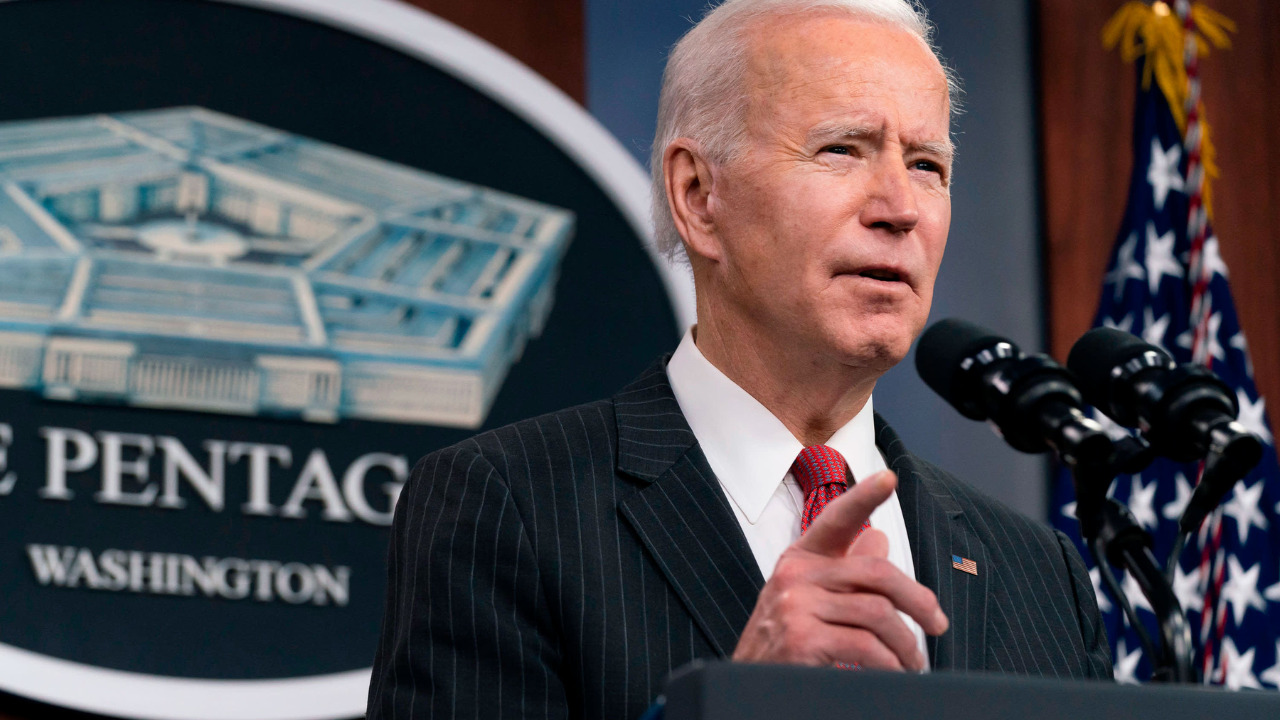
The Pentagon is facing significant scrutiny for its financial practices. In its sixth consecutive annual audit failure, the department confessed to an inability to track trillions of dollars of taxpayer money.
The situation becomes more alarming when considering the ongoing financial strain on taxpayers. Despite persistent audit failures, funds continue to pour into the Pentagon. The failure to rectify financial discrepancies perpetuates an environment where public money remains unaccounted for.
Notably, the claim that funds are being drained under the pretext of aiding Ukraine adds another layer of concern. If the Pentagon is allegedly seeking funds for aiding Ukraine then why is the US’ latest financial package for Ukraine ridiculously small?
Join us on Telegram: https://t.me/tfiglobal
The United States’ defense budget stands at a staggering $877 billion, surpassing the combined defense expenditures of the next ten nations, which total $849 billion. Despite this colossal budget, the Pentagon struggles to provide a comprehensive account of its financial holdings—$3.8 trillion in assets and $4 trillion in liabilities—incurred at the expense of US taxpayers, ostensibly for national defense.
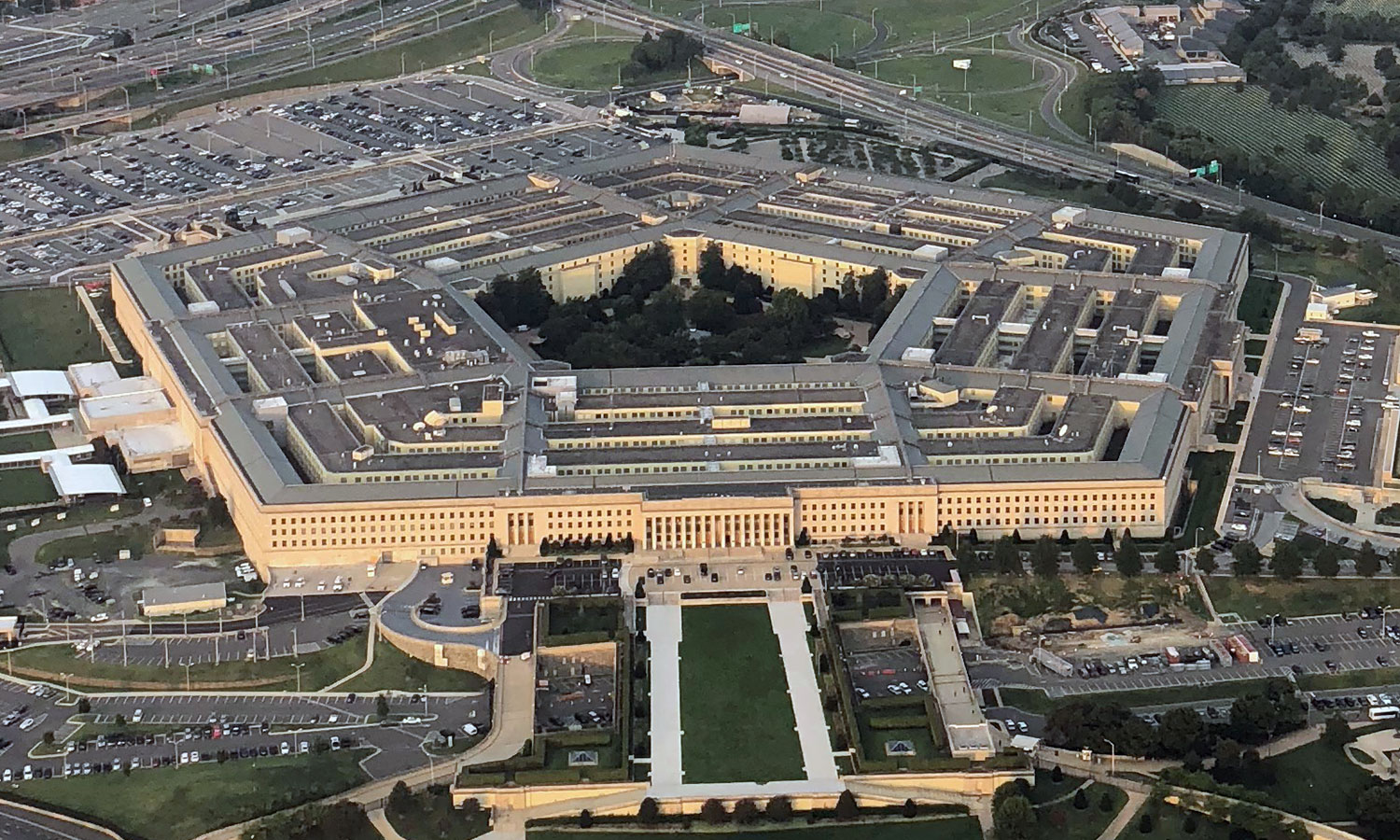
Amidst the Biden administration’s pursuit of an $886 billion defense budget for the coming year, with potential additional Congress-approved funds reaching $80 billion, a concerning apathy pervades the American collective. The lack of scrutiny from government, media, and the public regarding the allocation of nearly $1 trillion in taxpayer dollars underscores deep-seated issues within the American establishment.
Read More: US’ latest financial package for Ukraine is ridiculously small
With the Pentagon playing hide-and-seek with trillions of taxpayer dollars, can they assure the taxpayers that the Ukraine aid isn’t lost in the same financial Bermuda Triangle? Are the taxpayers funding a magic show or responsible governance?
Recently, Pentagon press secretary Maj. Gen. Pat Ryder passed a crucial statement during a press briefing. “We’re out of money,” he told reporters. The U.S. had no funds left to replace weapons sent to Ukraine, with the Pentagon announcing its final Ukraine aid package — worth $250 million and mainly consisting of artillery and other munitions.
Does the Pentagon’s inability to account for significant funds imply a deliberate decision to halt or reduce aid to Ukraine under the Biden administration, raising concerns about the transparency and responsible use of taxpayer money? Think about it.
The mismanagement of taxpayer money in the United States, particularly in defense spending, has become a recurring issue. Despite the colossal budgets allocated to military endeavors, the outcomes often fall short of expectations.
The Afghanistan venture serves as a glaring example, with approximately $2.3 trillion spent over two decades culminating in a widely televised and ignominious retreat in August 2021.
:quality(70)/cloudfront-us-east-1.images.arcpublishing.com/archetype/LKVLRRBQKVDW5B3FS7P6MVFNDY.jpg)
Similarly, the $758 billion invested in the 2003 Iraq invasion and subsequent decade-long occupation resulted in a premature withdrawal in 2011, only to return in 2014 for an extended campaign against ISIS. The failures of the initial Iraq endeavor have contributed to a total expenditure exceeding $1.8 trillion in the 20-year engagement in Iraq and Syria.
These figures are overwhelmingly large – to the point where they lose practical significance for the average person.
Read more: 6 Signs that clearly predicted Ukraine’s crushing defeat, but the West chose to look the other way
The recent claim of being “out of money” while announcing a final Ukraine aid package raises questions about the responsible use of taxpayer funds. The historical mismanagement of large military budgets, exemplified by ventures like Afghanistan and Iraq, highlights a recurring pattern of significant financial investments yielding suboptimal outcomes.
Fundamentally, the defense budget operates as a “pay-to-play” arrangement, with Americans financing the government to secure desired global dominance. Over the course of seventy years, Americans’ dependence on this approach has cultivated a belief in their invincibility. Yet, channeling funds into a system devoid of accountability results in disappointment. The truth is clear-cut: the anticipated success of American investment frequently collapses, resembling a delicate house of cards.
Watch More: