The Bretton Woods Agreement of 1944 established a new international monetary system. This agreement pegged other countries’ currencies to the US dollar, which was backed by gold at a fixed rate. This system created stability and trust in the dollar, making it the preferred currency for international trade. While the global dominance of the US dollar facilitates international trade, it also presents challenges for countries that adopt it, a practice known as dollarization.
A key issue is the loss of monetary policy independence. By giving up currency control, nations lose the ability to adjust interest rates for managing inflation or stimulating growth. This vulnerability to US economic decisions may not align with their needs. The Global South’s interests often differ from the West, leading to repercussions from US-guided Structural Adjustment Programs (SAPs) under Bretton Woods.
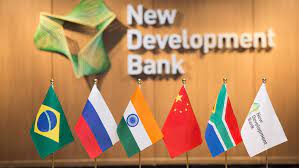
Reports indicate that a group is now turning to blockchain technology for a new payment system. The organization aims to persuade other countries to abandon the US dollar by promoting local currencies for trade and developing a new currency system that could rival the dollar. The expansion of BRICS, with new nations joining the alliance, reflects the seriousness of their efforts towards de-dollarization. This move highlights the growing interest in finding alternatives to the US dollar in the global economy.
Before the 20th century, the British pound sterling served as the world’s reserve currency. World War I weakened Britain’s economic standing, while the United States saw a significant influx of gold, enhancing the credibility of the US dollar. In 1944, the Bretton Woods Agreement marked a pivotal moment, establishing a new international monetary system. Under this agreement, countries pegged their currencies to the dollar, backed by gold, fostering stability and trust in the dollar for international trade. However, the Bretton Woods system collapsed in the early 1970s, breaking the direct link between the dollar and gold. Despite this, the dollar’s dominance persisted due to the stable US economy and widespread circulation of dollars globally. The deep and liquid US Treasury market provided a secure haven for foreign reserves.
The process of dollarization, entailing the adoption of the US dollar as a nation’s currency, presents multifaceted challenges concerning monetary policy independence for countries. By embracing dollarization, nations effectively relinquish their capacity to tailor interest rates to address inflationary pressures or stimulate economic expansion, thereby exposing themselves to external economic determinations. Moreover, dollarization renders countries susceptible to external shocks, thereby impeding economic growth and potentially eroding purchasing power. Furthermore, this adoption can stymie domestic financial development by constraining credit access for local enterprises, thereby hampering their ability to thrive and contribute to economic prosperity.
De-dollarization, aimed at reducing dependence on the US dollar in global trade and finance, is propelled by the imperative to mitigate vulnerability to fluctuations in US economic and political conditions. It affords nations the opportunity to reclaim sovereignty over their monetary policies and serves as a direct challenge to the prevailing American economic hegemony. Active endeavors in de-dollarization by India, Russia, and China encompass the exploration of bilateral trade accords and the advocacy for the utilization of domestic currencies in trade transactions. Russia, in particular, is actively reallocating its foreign reserves away from the dollar, marking a significant shift. Meanwhile, entities such as BRICS are embracing blockchain technology as part of their efforts to establish novel payment system.
The expansion of BRICS, now encompassing Egypt, Ethiopia, Iran, and the United Arab Emirates, underscores the bloc’s burgeoning influence and its steadfast commitment to counter the prevailing US-led global order while advancing the agenda of de-dollarization. Despite mounting skepticism regarding dollar investments due to escalating inflation and interest rates, the journey toward de-dollarization encounters formidable obstacles. These challenges include the entrenched supremacy of the US dollar in the international financial system and the economic complexities confronting certain nations as they navigate this transition.