TFIGlobal
TFIGlobal
TFIPOST English
TFIPOST हिन्दी
No Result
View All Result
  • Indo-Pacific
  • Americas
  • Canada
  • Indian Subcontinent
  • West Asia
  • Europe
  • Africa
  • The Caribbean
TFIGlobal
  • Indo-Pacific
  • Americas
  • Canada
  • Indian Subcontinent
  • West Asia
  • Europe
  • Africa
  • The Caribbean
No Result
View All Result
TFIGlobal
TFIGlobal
No Result
View All Result
  • Indo-Pacific
  • Americas
  • Canada
  • Indian Subcontinent
  • West Asia
  • Europe
  • Africa
  • The Caribbean

U.S. Warns of Growing Global Dangers in 2025 Threat Report

China, Russia, Iran, and North Korea emerge as top concerns in new intelligence assessment

Anmol Kumar by Anmol Kumar
May 26, 2025
in Geopolitics
U.S. Warns of Growing Global Dangers in 2025 Threat Report

U.S. Warns of Growing Global Dangers in 2025 Threat Report

Share on FacebookShare on X

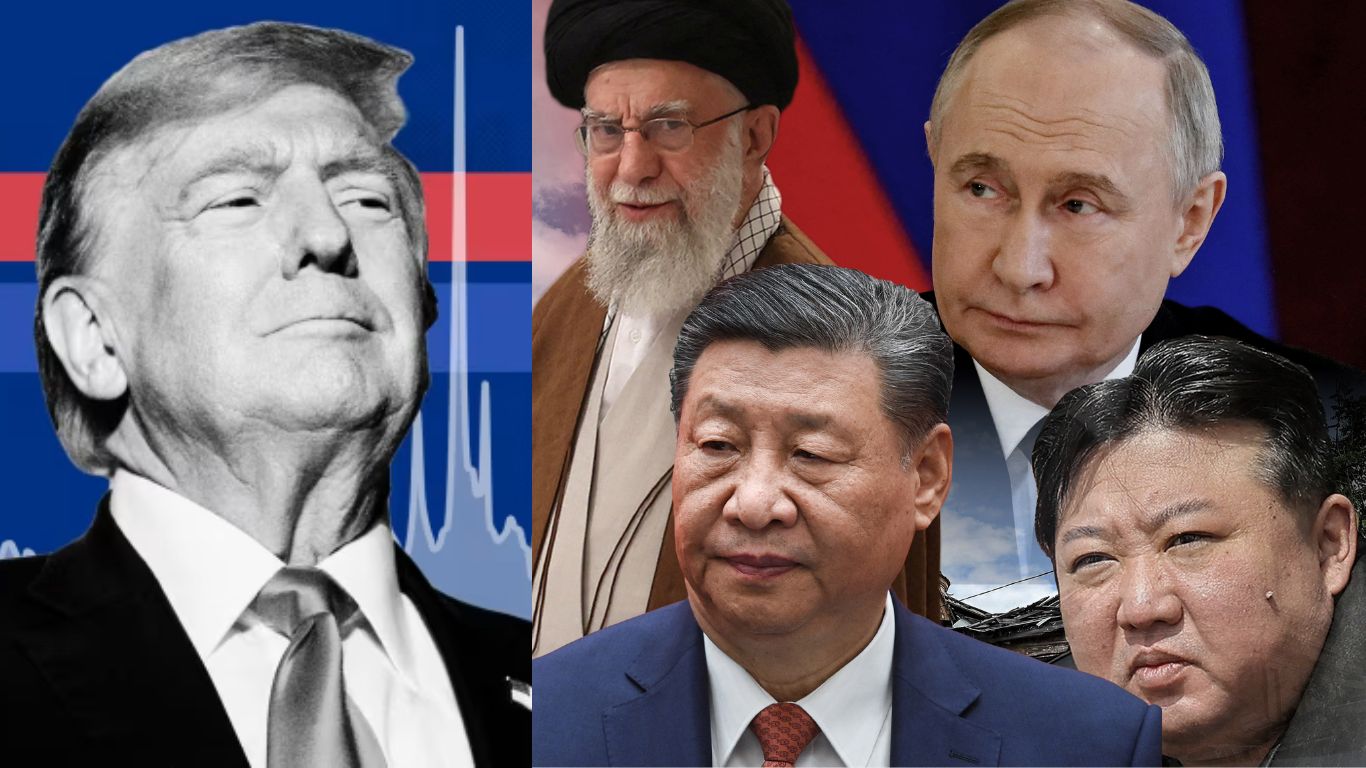
The U.S. Defense Intelligence Agency (DIA) has released its 2025 Worldwide Threat Assessment, highlighting serious global security threats facing the United States. The report paints a picture of a world where rival nations are working more closely together to challenge American power, while new technologies are changing the nature of warfare and conflict.

Here are the key points from the report:

Also Read

One Man, 14 Break-Ins: Anthropic’s Report on How AI Became a Weapon for Hire

Iran Moves to Fence Off the Gulf as It Threatens US Warships With New Missiles

The 1,000-Mile Kill Shot: America’s New Missile Plan Puts China in Its Sights

China: The Biggest Long-Term Threat

The DIA identifies China as the most significant military and strategic threat to the U.S. today. China is using all parts of its government — including its military, economy, and cyber operations — to grow its influence around the world.

The report warns that China is becoming more aggressive toward Taiwan, a self-governing island that Beijing claims as its own. It is also increasing its military presence in the South and East China Seas. These actions raise the risk of conflict in the Asia-Pacific region.

Russia: A Continuing Danger

Russia remains a top threat, especially due to its ongoing war in Ukraine. According to the DIA, Russia sees this war as part of a broader struggle against the U.S. and its allies. Russia is also modernizing its nuclear weapons and building closer ties with countries like China and Iran.

Iran: Expanding Influence in the Middle East

Although Iran has not restarted its nuclear weapons program, it continues to enrich uranium at high levels. This has raised alarms because it could lead to the development of a nuclear bomb. The report also points out Iran’s continued support for proxy groups and its involvement in regional conflicts.

North Korea: Building a Bigger Arsenal

North Korea is making progress in building more nuclear weapons and longer-range missiles. The DIA warns that North Korea may now be capable of striking the U.S. homeland and its allies. The country is also strengthening its relationship with Russia, receiving military and political support in return.

New Technologies and Non-State Threats

The report highlights growing concerns about technology being used in dangerous ways. Adversaries are investing in cyberattacks, space weapons, and unmanned drones. These tools can be used to spy on the U.S., disrupt critical systems, or even launch attacks.

Terrorist groups and drug cartels are also taking advantage of new technologies. In particular, drug cartels are using high-tech tools to smuggle deadly drugs like fentanyl into the U.S., causing thousands of deaths each year.

Also read: Despite U.S. Support, Pakistan Chooses China—New U.S. Report Warns of Rising Nuclear Danger

Tensions in South Asia

The report also notes rising tensions between India and Pakistan. It says Pakistan views India as an existential threat, shaping its military and nuclear policies. Meanwhile, India considers China to be a bigger challenge than Pakistan.

The 2025 DIA Threat Assessment warns that the world is becoming more dangerous and complex. With rival powers like China and Russia forming closer partnerships, and with technology increasing the speed and reach of threats, the U.S. faces a rapidly changing global security landscape. The DIA calls for continued investment in defense and intelligence to protect national interests and stay ahead of these growing challenges.

 

Tags: 2025 Worldwide Threat Assessment ReportChinaIndia-PakistanIranNorth KoreaRussiaThe U.S. Defense Intelligence Agency
ShareTweetSend
Anmol Kumar

Anmol Kumar

A Failed Shuttler and an upcoming geopolitical analyst, who always try to bring a different angle of any geopolitical event. I spend my spare time in reading non-fictional books, cooking food and spending time on sports.

Also Read

A military satellite orbiting above Earth, with other satellites in the distance and a blue beam linking two spacecraft, symbolizing the growing space weapon and the emerging US-Russia-China orbital rivalry

Washington Finally Says It Out Loud: America Has Weapons in Space

September 15, 2026
A US dollar bill breaking apart beside BRICS flags, a glowing globe, cargo ship and stacks of currencies, symbolising de-dollarisation and the shift toward a multipolar financial system.

BRICS De-Dollarisation: Is the World Leaving the Dollar?

September 13, 2026
BRICS emblem above an empty international summit table, with a global trade port, UN-style building, currency, justice scales and critical minerals symbolising geopolitics and multilateral cooperation

BRICS Declaration Backs South Africa’s G20 Seat and Criticises Tariffs, Without Naming any Country

September 13, 2026
“Cinematic depiction of China–Iran–US tensions, showing Xi Jinping and Donald Trump flanking a reconnaissance satellite surveying a military air base, with Iranian ballistic missiles launching in the background.”

Chinese Eyes, Iranian Missiles: Us Traces A Satellite Trail To The Attack iJordan

September 13, 2026
Indian Prime Minister Narendra Modi and Chinese President Xi Jinping shake hands during a formal diplomatic meeting, with the Indian and Chinese flags displayed behind them.

Modi and Xi Met for Under an Hour. Their Governments Told Two Different Stories

September 13, 2026
Kim Jong Un watches missiles launches as U.S., Japanese and South Korean warships patrol the sea, with Trump and Iran's leadership depicted amid a backdrop of military escalation and conflict.

North Korea Fires Missiles Into the Sea as Washington’s War on Iran Grinds On

September 13, 2026
Youtube Twitter Facebook
TFIGlobalTFIGlobal
Right Arm. Round the World. FAST.
  • About Us
  • Contact Us
  • TFIPOST – English
  • TFIPOST हिन्दी
  • Careers
  • Brand Partnerships
  • Terms of use
  • Privacy Policy

©2026 - TFI MEDIA PRIVATE LIMITED

Welcome Back!

Login to your account below

Forgotten Password?

Retrieve your password

Please enter your username or email address to reset your password.

Log In

Add New Playlist

No Result
View All Result
  • Indo-Pacific
  • Americas
  • Canada
  • Indian Subcontinent
  • West Asia
  • Europe
  • Africa
  • The Caribbean
TFIPOST English
TFIPOST हिन्दी

©2026 - TFI MEDIA PRIVATE LIMITED

This website uses cookies. By continuing to use this website you are giving consent to cookies being used. View our Privacy and Cookie Policy.