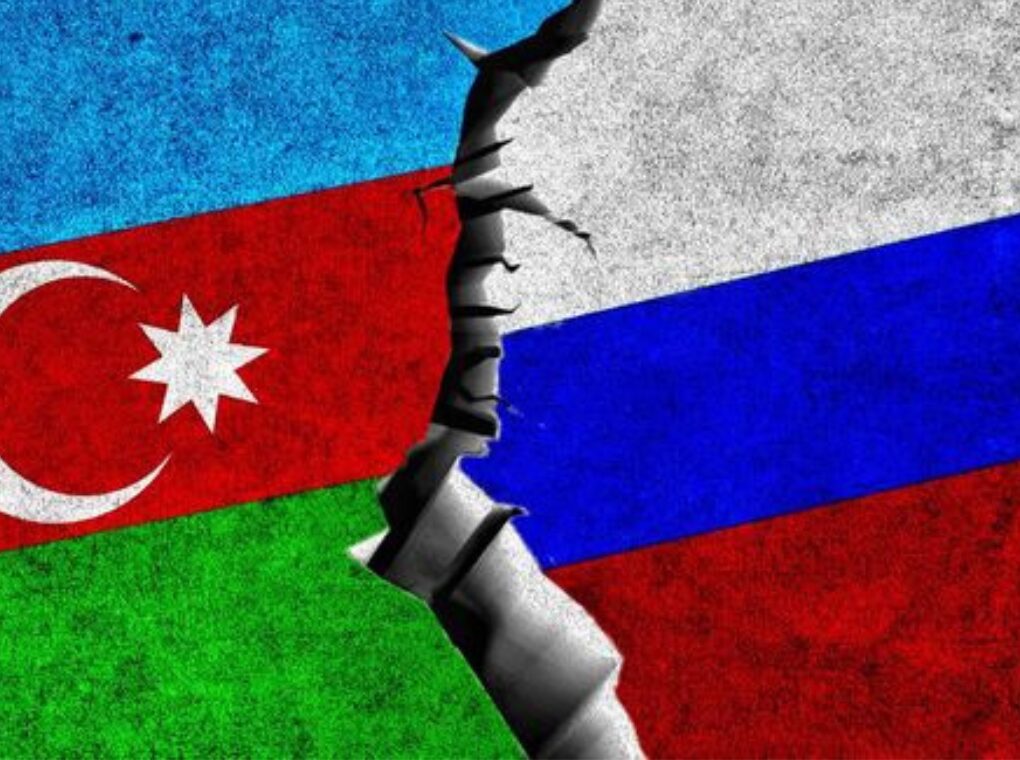
The recent arrests of Sputnik journalists in Baku and the Russian FSB’s crackdown on Azeri mafia members in Yekaterinburg have plunged Russia-Azerbaijan relations into a dangerous spiral. What began as a law enforcement operation has morphed into a diplomatic standoff, with accusations of espionage, Islamophobia, and imperialism flying on both sides.
This tit-for-tat escalation risks destabilizing an already fragile relationship, and neither side seems willing to blink first.
Azerbaijan’s Retaliatory Strike
Azerbaijan’s detention of Sputnik journalists Igor Kartavykh and Yevgeny Belousov on espionage charges appears to be a direct response to Russia’s Yekaterinburg raid, which left two Azeri nationals dead.
Baku claims Sputnik was operating illegally after losing accreditation in February 2025, but the timing and manner of the arrests—coupled with the denial of consular access—suggest a calculated move to pressure Moscow.
Holding journalists as bargaining chips for the release of detained citizens is a risky tactic that could backfire, alienating international partners wary of such heavy-handed measures.
Russia’s Hardline Approach
The FSB’s anti-drug operation in Yekaterinburg, targeting an Azeri mafia linked to a 2001 murder case and designated as a terror organization, was a bold assertion of Russia’s law enforcement authority.
The deaths of Ziyaddin and Huseyn Safarov during the raid, one reportedly from heart failure, have fueled Azerbaijan’s outrage.
While Russia insists the operation was routine and that no one is above the law, the terror label and reports of mass arrests in Voronezh raise questions about whether Moscow is using the crackdown to send a broader message. The lack of transparency about the raid’s details only deepens suspicions of targeted persecution.
Inflammatory Rhetoric Fuels the Fire
Azerbaijan’s decision to suspend Russian cultural events and accuse Moscow of “Islamophobia” and “imperialism” is a provocative escalation. Comparing Russia’s actions to Soviet-era repression ignores the reality of Russia’s diverse society, where Muslims make up 15% of the population—the highest in Europe.
Such rhetoric risks inflaming nationalist sentiments at home and abroad. Meanwhile, Russian state media, led by figures like Dmitry Kiselyov, has branded Azerbaijan’s treatment of Sputnik journalists as akin to targeting “terrorists,” conveniently sidestepping questions about Sputnik’s legal status in Baku. Both sides’ inflammatory language is pouring fuel on an already volatile situation.
A Call for De-Escalation
This standoff serves no one. Azerbaijan must grant consular access to the detained journalists and provide clear, transparent evidence for the espionage charges. Russia, in turn, should release a detailed account of the Yekaterinburg operation to address concerns of bias or excessive force.
Both nations need to step back from public posturing and engage in quiet diplomacy to resolve these disputes. Their shared economic and geopolitical interests demand cooler heads, not a prolonged conflict that could harm the people of both countries. Without de-escalation, this dangerous game of retaliation risks spiraling into a crisis neither side can control.