North Korea and Russia have a long history of alliance, dating back to the Korean War. After a period of cooling relations, recent years have seen a dramatic revival of cooperation. North Korea has often aligned itself with global powers opposed to the U.S., using these relationships to bolster its own regime security and international standing.
On July 12, 2025, North Korean Foreign Minister Choe Son-hui and Russian Foreign Minister Sergei Lavrov held the second round of strategic talks in the coastal city of Wonsan, North Korea. This meeting followed Lavrov’s arrival in Wonsan, a city that recently opened a new resort zone and has become a symbol of North Korea’s efforts to attract Russian tourism and investment.
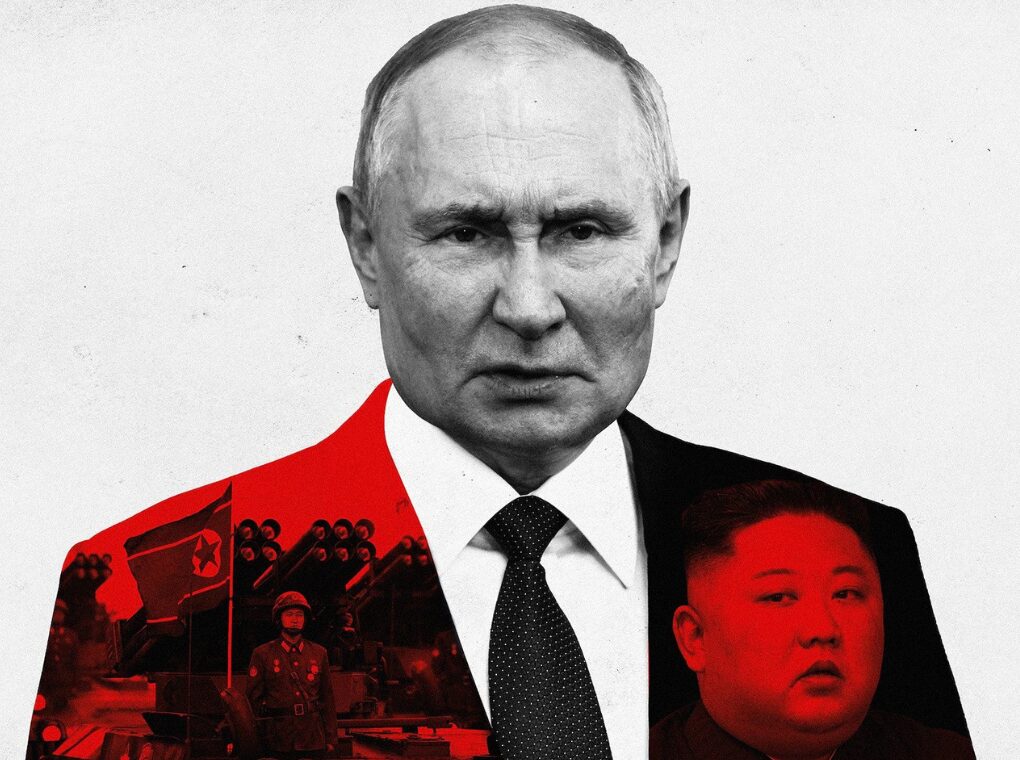
The talks were part of a series of high-level engagements that have intensified since Russian President Vladimir Putin and North Korean leader Kim Jong-un signed a Comprehensive Strategic Partnership Treaty in Pyongyang in June 2024.
Key Statements and Developments
Choe Son-hui described the relationship as having reached an “unbreakable” level, reaffirming North Korea’s “strategic choice and will” to defend and unconditionally support Russia’s policy of protecting its state sovereignty and territorial integrity.
Choe emphasized that this support is a direct response to what both countries characterize as “imperialist hegemonic schemes,” positioning their alliance as a counterweight to Western influence.
Sergei Lavrov echoed Choe’s remarks, referring to the relationship as an “invincible military brotherhood.” He highlighted the deployment of North Korean troops to Russia’s Kursk region, where they assisted Russian forces against Ukraine, as a demonstration of the highest level of cooperation between the two countries.
Lavrov also pledged to encourage more Russian tourism to Wonsan, promising to increase flights and facilitate travel as part of broader economic cooperation.
Why Is North Korea Doing This?
Both North Korea and Russia see themselves as resisting U.S. and Western “hegemony.” Their alliance is as much about ideology and opposition to the U.S.-led world order as it is about practical cooperation.
North Korea gains a powerful ally at the UN Security Council, possible access to advanced Russian military technology, and economic benefits (such as food and energy aid).
The mutual defense clause gives North Korea a security guarantee against potential threats, particularly from the U.S. and South Korea.
Strategic and Military Dimensions
The Comprehensive Strategic Partnership Treaty signed in June 2024 includes provisions for mutual support “by all means” if either country is at war, formalizing a defense pact that extends beyond diplomatic rhetoric.
North Korea has already sent thousands of troops, including military engineers and construction workers, to aid Russia in the war-affected Kursk region, which both sides have described as a “historic event” and a new era of cooperation.
The meeting in Wonsan is part of a broader push to expand military, political, and economic ties, with both sides reaffirming their commitment to mutual support in the face of Western sanctions and diplomatic isolation.
The alliance is seen as a direct challenge to the U.S.-led international order, with both countries leveraging their partnership to resist what they describe as “imperialist” pressure.
Global and Regional Reactions
The U.S., South Korea, and European Union have strongly condemned North Korea’s support for Russia, calling it a violation of UN Security Council resolutions and a threat to global security.
There is widespread worry that Russia may transfer missile, satellite, or nuclear technology to North Korea in exchange for its support, potentially destabilizing the region further.
China, while not as openly supportive as North Korea, has also strengthened ties with Russia, creating a new bloc of resistance to Western influence.
What Happens Next?
Expect further joint military exercises, technology exchanges, and possibly more North Korean personnel in Russia.
This alliance will likely lead to increased sanctions, military posturing, and diplomatic efforts to contain both countries.
North Korean support, while not decisive on its own, strengthens Russia’s position and complicates efforts for a negotiated settlement.
Also Read: North Korea to Send 30,000 Troops to Russia: How It Reshapes Global Alliances?
Lavrov’s visit to North Korea is set to continue until July 13, after which he will travel to China for a meeting of the Shanghai Cooperation Organization, further highlighting the regional and global significance of these diplomatic moves.
The Wonsan meeting between Choe Son-hui and Sergei Lavrov not only reaffirmed North Korea’s “unconditional” support for Russia’s territorial integrity but also showcased the operationalization of their newly formalized alliance through direct military cooperation and a comprehensive mutual defense treaty.
This partnership signals a new, more assertive phase in the relationship between Pyongyang and Moscow, marking a decisive shift toward a more polarized international landscape in which both countries openly challenge Western policies and norms.
As a result, their alliance not only influences the ongoing conflict in Ukraine but also carries profound implications for global security, nonproliferation efforts, and the balance of power in Northeast Asia, underscoring the far-reaching consequences of this emerging bloc for the broader international order.