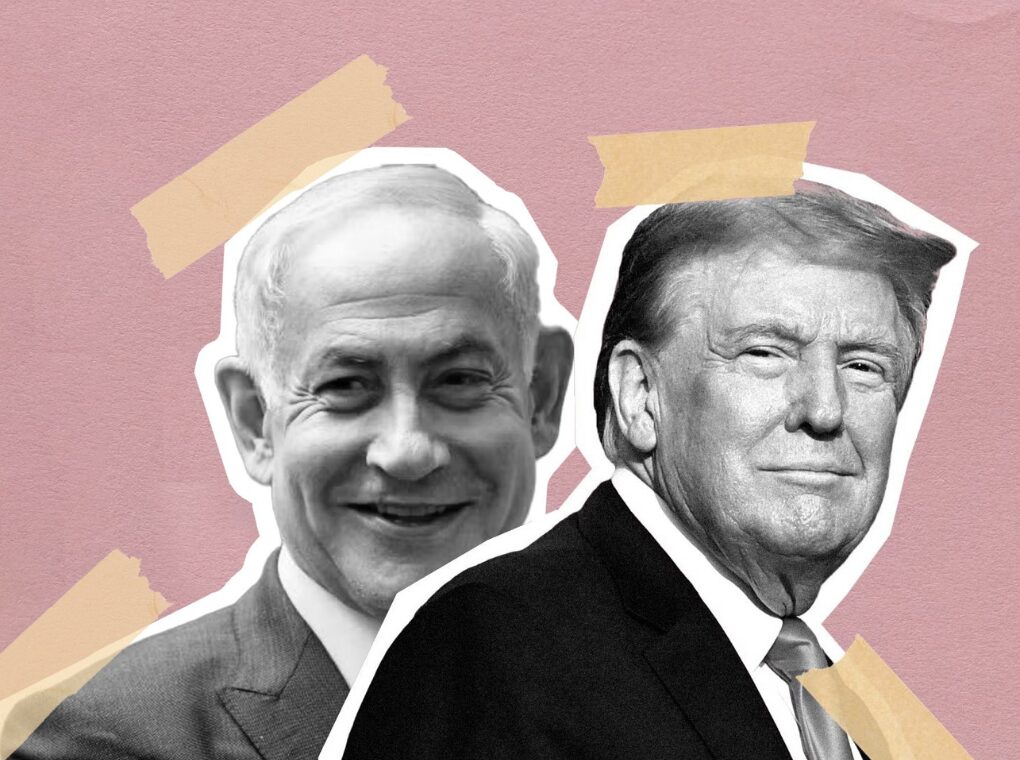
The partnership between Donald Trump and Benjamin Netanyahu, once considered unshakeable, is under unprecedented strain following a series of controversial Israeli military actions in Syria and Gaza. Recent leaked comments from high-ranking Trump aides—branding Netanyahu a “madman” and a “child”—signal deepening frustration within Trump’s orbit.
At the center is a clash not just of personalities, but of national interests and diplomatic strategy, raising the question: Is the Trump-Netanyahu alliance entering a period of genuine turbulence?
Tensions Spike Over Israeli Military Actions
The latest crisis began with Israel’s unexpected airstrike on a Syrian army tank convoy near Suwayda, in southern Syria. Israeli officials justified the attack as a preventative measure against perceived threats to their borders. However, the timing was controversial: US diplomats had only recently secured a fragile ceasefire deal in the area, and American officials saw the strike as destabilizing and unnecessarily provocative.
According to sources, several Trump White House officials were alarmed by Netanyahu’s decision, viewing it as impulsive and undermining the painstaking work to achieve temporary calm in the region.
The frustration was palpable. One Trump aide reportedly dismissed Netanyahu’s tactics as those of “a madman, bombing everything all the time,” while another compared his decision-making to “a child who just won’t behave.” These remarks, though delivered privately, reflect a mounting concern in Washington that Netanyahu’s actions are increasingly difficult to influence—even for an administration that has offered support in the past.
Also Read: Greater Israel on Card? Israel Defies Trump Bombing Syria
Gaza Incident Deepens the Rift
Compounding matters was a tragic Israeli bombing that struck Gaza’s only Catholic church. The incident took a personal turn when Trump confronted Netanyahu directly in a phone call, demanding accountability and urging the Israeli leader to publicly admit his forces had made a grave error. Netanyahu agreed, expressing “deep regret” and pledging to investigate and protect religious sites in the future.
The US response was telling: White House Press Secretary Karoline Leavitt characterized Trump’s reaction as “not at all positive,” marking a shift from unconditional rhetorical support to explicit public criticism. While Israel issued a statement of condolence and regret, the episode highlighted the new tensions in a relationship once defined by lockstep unity on security issues.
Strategic Friction or Lasting Break?
These recent incidents lay bare a larger dynamic at play: Trump and his team, though strong supporters of Israel, are growing wary of Netanyahu’s unpredictability and its potential to undermine US interests in the Middle East. Israeli actions that run counter to American diplomatic efforts—whether intended as shows of strength or not—are increasingly seen as liabilities.
Crucially, the rift is not merely about one or two unfortunate incidents; it touches on fundamental questions of control, trust, and influence. Does Israel’s current leadership still take US guidance seriously, or is Netanyahu following an independent, more erratic path? An alliance rooted in mutual interests and long-standing personal loyalty now faces the test of how much divergence either side will tolerate in a volatile regional landscape.
Also Read: US Brokers Fragile Ceasefire as Israel-Syria Tensions Boil Over
Peril and Pragmatism Ahead
Despite the sharp language and angry phone calls, it is too early to conclude that the Trump-Netanyahu alliance is broken beyond repair. Past American presidents have clashed with Israeli leaders even as overall ties endure. Yet the tone has plainly changed: shared values and strategic aims are not always enough when political egos and policy priorities collide.
For now, Trump’s team is clearly sending a new message, both privately and publicly: Israel’s security concerns are understood, but reckless tactics that endanger civilians or undercut US-brokered ceasefires will not go unchallenged—even by its closest partners.
As Middle East battle lines shift and Washington reassesses its leverage, the Trump-Netanyahu relationship stands as a reminder that personal diplomacy, for all its strengths, can be tested by the hard realities of war, politics, and national interest. The coming weeks may reveal whether this is just a fleeting squabble—or the start of a significant realignment between two leaders long thought inseparable