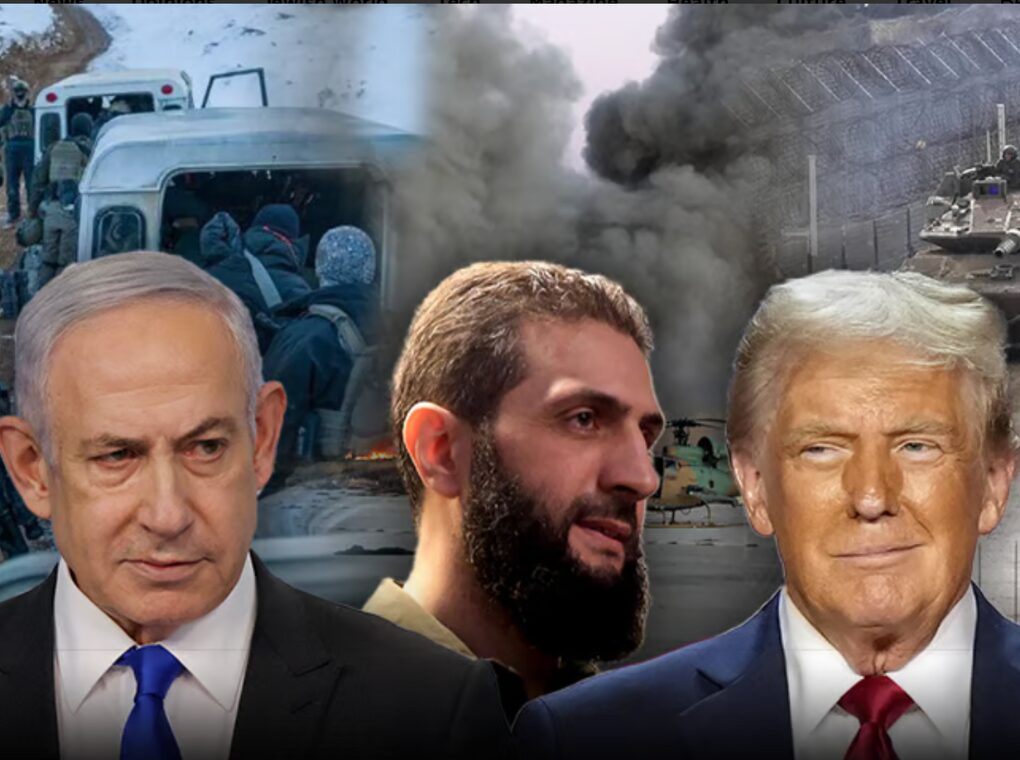
The latest crisis between Israel and Syria erupted after days of intense violence in Syria’s southern Sweida province, where clashes between Druze and Bedouin groups rapidly escalated into a broader security and humanitarian emergency. Israeli airstrikes targeted Syrian government positions, ostensibly to protect the Druze minority—an influential community with ties to Israel, Lebanon, and Syria—after allegations that government forces sided with Bedouin fighters against the Druze.
What triggered the escalation?
Fighting flared up earlier in the week as Druze militias and Bedouin clans clashed in Sweida. Syrian government forces intervened, but were accused of wide-scale abuses against the Druze. In response, Israel carried out airstrikes in Damascus and the south, issuing warnings that it would not tolerate further attacks on the Druze and demanding government withdrawal.
Also Read: Who is the Druze community?: Israel Bombing Syria For Them
Why did Israel get involved?
Israel justified its intervention as necessary to shield the Druze minority from violence and safeguard regional stability. The issue carries domestic importance: Israel has its own Druze population, which pressed the government to act as violence and displacement intensified across the border. The potential for broader destabilization and humanitarian fallout also drew in international stakeholders.
US Role: How was the ceasefire brokered?
The pivotal moment came through direct US diplomatic intervention. US Ambassador to Turkey and special envoy for Syria, Tom Barrack, announced on July 19 that Israel and Syria had agreed to a ceasefire, brokered by the United States and supported by other regional actors, including Turkey and Jordan.
According to Barrack, the ceasefire was formally embraced by both Israeli Prime Minister Benjamin Netanyahu and Syrian President Ahmed al-Sharaa, with mediation from US Secretary of State Marco Rubio. The truce called for an end to hostilities, urging Druze, Bedouins, and Sunnis to lay down arms and cooperate toward a new, unified Syrian identity.
Ceasefire Terms and Response
The deal allows limited, temporary entry of Syrian internal security forces into Sweida to help restore order.
All local militias are to dissolve and surrender heavy weapons, with fighters integrated into state security structures.
The Druze spiritual leadership welcomed the truce; Syrian authorities pledged to uphold it, but mutual suspicions remain, and sporadic violence and displacement continue.
The US-brokered ceasefire offers a temporary reprieve from violence but reflects persisting fragilities:
Minority security remains precarious: With over 300 dead and tens of thousands displaced, violations by all sides have deepened concerns about minority protections.
Israeli intervention signals new regional red lines: Israel’s willingness to strike inside Syria and conditionally accept limited Syrian security deployments highlights its prioritization of Druze security and deterrence against government overreach.
US leverage is tested: Washington’s diplomatic clout secured a quick truce but the underlying sectarian, political, and territorial grievances remain unresolved. Regional rivalries, the involvement of neighbors like Turkey and Jordan, and potential for renewed clashes keep the situation fluid.
Also Read: Greater Israel on Card? Israel Defies Trump Bombing Syria
The US-brokered ceasefire between Israel and Syria, achieved under President Trump’s direct intervention, marks a significant but fragile step toward de-escalation in a highly volatile region.
While the Trump administration’s willingness to engage both allies and adversaries has momentarily contained cross-border violence and opened new diplomatic pathways, deep-rooted grievances and unresolved security concerns continue to threaten lasting peace.
As the region navigates this delicate juncture, the durability of the ceasefire and the broader implications of shifting US policy will be closely watched by both local actors and the international community.