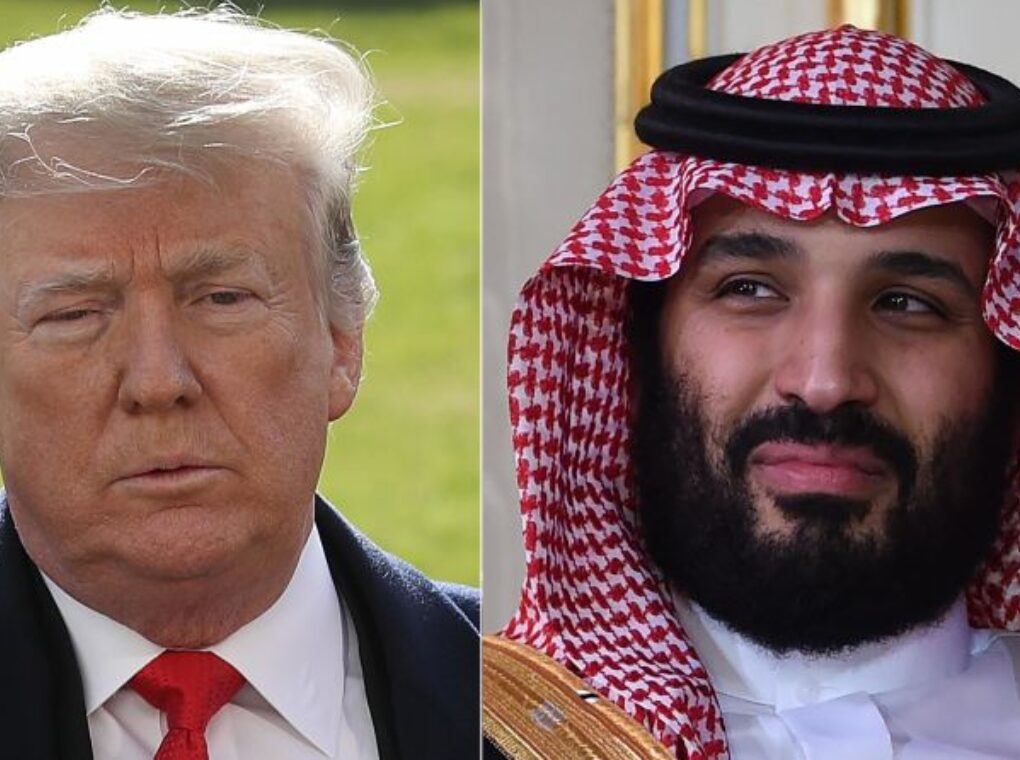
In a move that could transform the global financial landscape, Saudi Arabia appears to be moving away from a 50-year-old agreement that has long underpinned the dominance of the U.S. dollar in global trade. The Petrodollar agreement, first signed in 1974, has expired, and if not renewed, it could mark the beginning of a seismic shift in how the world trades oil—and how global power is distributed.
The End of the Petrodollar Era
The petrodollar system isn’t a separate currency. It refers to U.S. dollars earned by oil-exporting countries through global crude oil sales. This system was cemented in 1974 when Saudi Arabia agreed to sell oil exclusively in U.S. dollars. In return, the U.S. offered military protection and arms deals.
This arrangement created an enormous global demand for dollars, reinforcing its position as the world’s reserve currency. For decades, it gave the U.S. economic leverage and low borrowing costs while allowing consumers to enjoy cheaper imports.
But that historic deal officially expired on June 9, 2024. If Saudi Arabia decides not to renew it—something it hasn’t done so far—it’s no longer bound to sell oil exclusively in dollars. This opens the door to oil transactions in other currencies like the Chinese yuan, euro, or even local currency pairings.
Enter BRICS and the Push for De-Dollarization
The shift is more than symbolic. Saudi Arabia’s evolving partnership with BRICS—a growing economic bloc comprising Brazil, Russia, India, China, South Africa, and recent additions like Saudi Arabia, Iran, Egypt, and the UAE—signals a broader challenge to the dollar-centric global financial system.
Together, BRICS now represents:
45% of the world’s population
Over 37% of global GDP
A rising share of world trade
What started as economic cooperation has evolved into a de-dollarization movement. BRICS nations are actively promoting local currency trade, and China and Russia are settling massive trade volumes in yuan and rubles. The bloc is even exploring a common digital currency—dubbed “BRICS Coin”—as a direct alternative to the dollar.
Trump’s Tariff Threats and Washington’s Retaliation
The growing momentum behind BRICS has not gone unnoticed in Washington. Former President Donald Trump has called BRICS a “little group trying to destroy the dollar” and has threatened to impose 10% tariffs on BRICS member nations if they continue efforts to bypass the U.S. dollar.
In a more aggressive stance, Senator Lindsey Graham recently stated that Trump would also impose 100% tariffs on countries buying oil from Russia, naming India, China, and Brazil—all key BRICS nations.
These threats come at a time when Trump is actively positioning himself as a fierce defender of U.S. economic dominance. But critics argue that such unilateral policies could backfire, further pushing countries away from the dollar and closer to alternative systems.
Saudi Arabia’s Strategic Realignment
Saudi Arabia’s participation in BRICS and its willingness to consider oil trades in other currencies marks a major pivot in global politics. Once considered a reliable U.S. ally, Riyadh is now signaling that its interests lie in a more balanced, multipolar world.
This realignment underscores a hard truth in geopolitics:
“There are no permanent friends. No permanent enemies. Only permanent interests.”
By joining BRICS, Saudi Arabia is hedging its bets, diversifying its economic and diplomatic relationships, and reducing its reliance on a single superpower—especially one known for using financial tools like sanctions and asset freezes as foreign policy weapons.
Is the Dollar’s Reign Ending?
The U.S. dollar remains the dominant currency in global finance, accounting for roughly 90% of currency trading and more than half of central bank reserves. But cracks are appearing:
The dollar’s share in global reserves has been gradually declining.
Central banks are buying more gold and diversifying into other currencies.
The “weaponization” of dollar-based reserves has made countries wary of overdependence.
Trust in the dollar, once unquestionable, is starting to erode—especially as U.S. foreign policy increasingly intertwines with economic coercion.
A New Financial Era Begins
We may be entering an era where global power shifts from West to East, from unipolar dominance to multipolar balance. The expiration of the Petrodollar agreement, the rise of BRICS, and the assertive posture of U.S. leaders like Trump are all signs of a major global transition.
If Saudi Arabia fully exits the dollar system, this could mark one of the most significant economic backlashes the U.S. has faced in decades. It’s not the end of the dollar yet—but it’s certainly the end of dollar complacency.