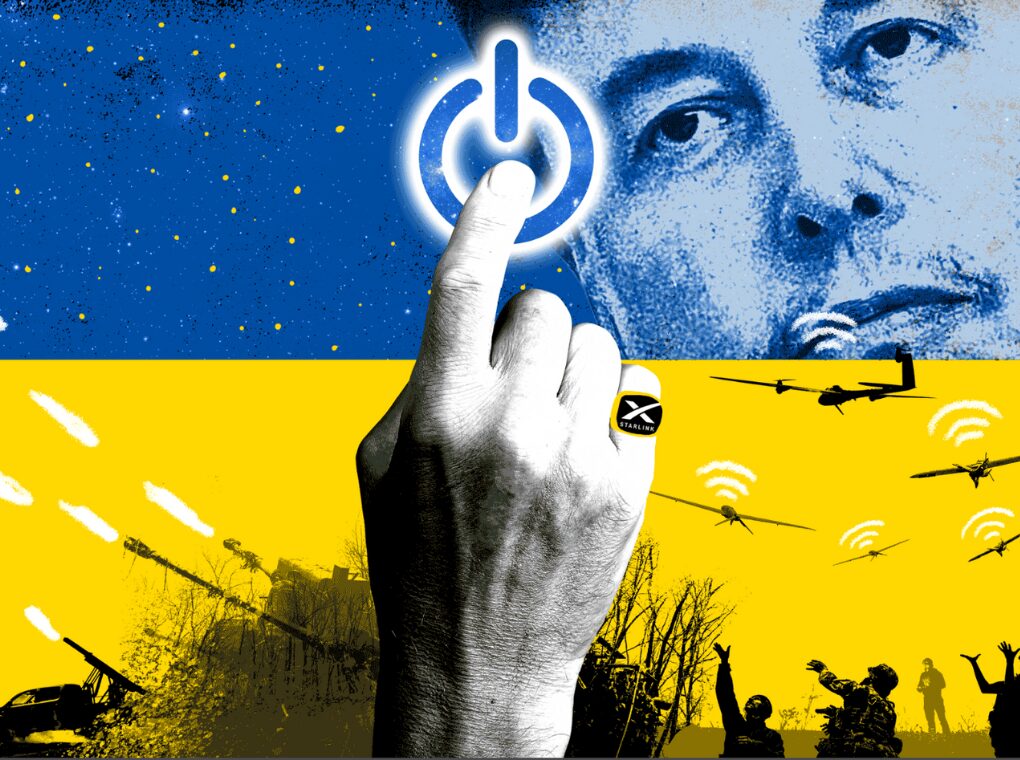
On July 24, SpaceX’s Starlink satellite internet service faced one of its most significant disruptions since its inception, suffering a rare global outage that cut off tens of thousands of users including the Ukrainian military, which has come to depend on Starlink as a communications lifeline amid its ongoing war with Russia.
In the heat of battle, Ukrainian forces found themselves “blind,” suddenly stripped of secure connectivity across the entire front line.
The Outage: How It Unfolded
The disruption started at approximately 10:20 p.m. local time in Ukraine and lasted roughly two and half hours, as confirmed by military commanders and company executives. Robert Brovdi, the commander of Ukraine’s drone forces, was the first to sound the alarm: “Starlink is down across the entire front,” he posted on Telegram.
Key command communication collapsed, combat missions had to be performed without video feeds, and drone reconnaissance was degraded or postponed across the line of contact.
For Ukraine, which fields over 40,000 Starlink terminals for battlefield comms and drone operations, the outage brought combat operations perilously close to a standstill. “The ability to conduct combat operations is practically gone” if internet connectivity disappears, warned Oleksandr Dmitriev, founder of OCHI, which centralizes drone video feeds from across the front.
While both military and civilian infrastructure—including schools, businesses, and hospitals rely on Starlink, the timing and impact in Ukraine’s theater of war were uniquely severe.
What Caused the Blackout?
SpaceX executives, including Starlink Vice President Michael Nicolls, explained on X that the disruption stemmed from a failure of internal software services operating the network’s core. Elon Musk personally apologized, promising that measures would be taken to ensure this did not happen again.
With no immediate evidence of external interference, the most authoritative reporting stresses the software failure as the primary cause, which was consistent across global geographies. The outage also coincided with the public launch of T-Mobile’s Starlink-powered T-Satellite service, but no formal link between the two events has been established.
Was Russia Involved? Cyber Warfare or Coincidence?
Ukraine’s military dependency on Starlink has sparked persistent rumors and suspicions intensified by the outage’s critical timing just hours after Russian drones hit Kharkiv. Previous incidents have shown how connectivity cut-offs can reshape battlefield events; in 2022, Elon Musk ordered a Starlink shutdown over areas of Ukrainian counteroffensives, fearing escalation, which resulted in operational failures for the Ukrainian military.
However, current reporting from Ukrainian, U.S., and international outlets confirms that this specific July 24 outage was caused by Starlink’s own network and software, not by an identified Russian cyber operation or jamming attempt.
Military officers, while cautious have not publicly blamed Moscow, and cyber experts have not cited any clear evidence of external manipulation tied to the blackouts. The possibility of “cyber warfare” remains a specter, but in this case, the failure was internal.
Yet, the episode underscores the profound risks of military reliance on commercial satellite networks manipulated by a single company or owner. It raises new strategic questions: What happens if such systems fail—or are withheld—during pivotal moments in battle? How might future adversaries seek to exploit these critical digital dependencies?
The outage forced the Ukrainian command to acknowledge the vulnerability in its battlefield communications architecture. Calls for greater diversity and resilience, including standalone local systems less dependent on the internet, have intensified since the blackout.
It also highlights the uncertain security of military-critical infrastructure managed by international business interests, echoing global debates about sovereignty, control, and contingency planning in modern digital warfare.
Also Read: Is Eutelsat the Strategic European Alternative to Starlink?
The July 24 Starlink global outage was a warning shot in the new era of warfare, where software glitches in private tech networks can leave entire armies “blind.” While there is no proof of Russian involvement in this particular event, the specter of cyber warfare lingers, amplified by the critical dependency of modern militaries on commercial, sometimes unpredictable, technology.
Ukraine’s operational “blackout” should prompt urgent reflection—not just in Kyiv, but in capitals and command centers around the globe—on the perils of digital overreliance and the blurred lines between accident, design, and conflict