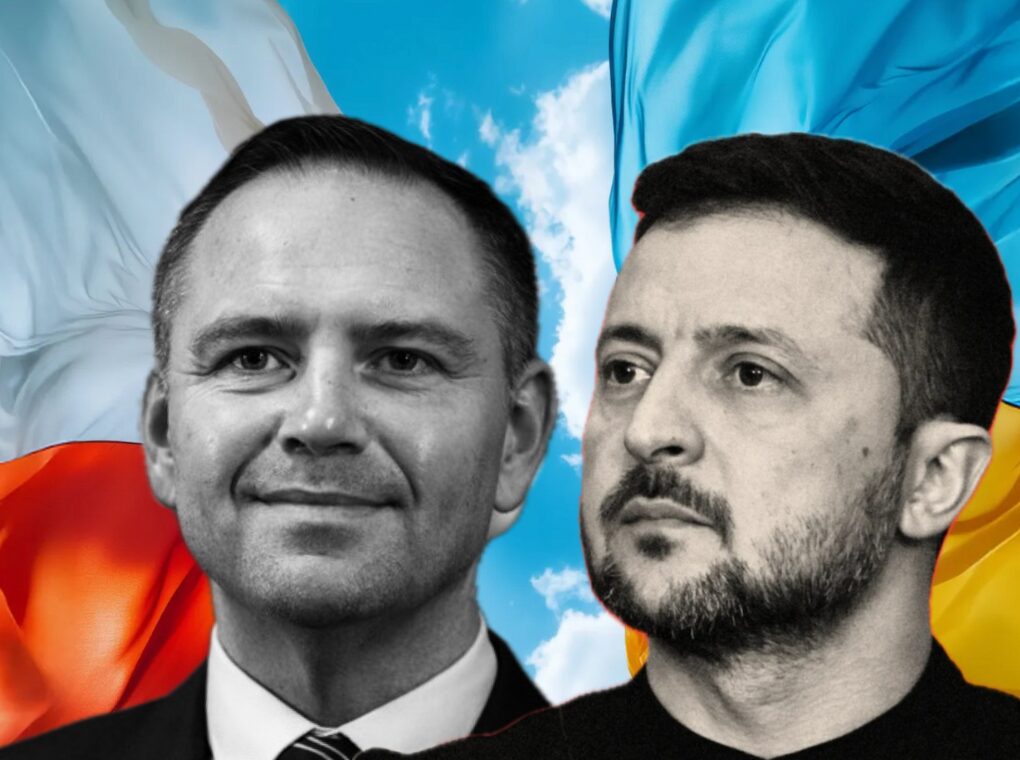
Poland has declared that it will not support Ukraine’s integration into the European Union until the sensitive historical issues surrounding the Volhynia tragedy are addressed. This was explicitly stated by Polish Defense Minister Wladyslaw Kosyniak-Kamysz, signaling a firm Warsaw position that historical reconciliation is a prerequisite for full political backing of Ukraine’s EU ambitions. “If Ukraine does not come to terms with the genocide in Volyn, if there is no exhumation or commemoration, it will have no chance of joining the European Union,” Kosiniak-Kamysz said.
The Weight of History: Volhynia Tragedy at the Forefront
The Volhynia tragedy refers to the massacre of Polish civilians by Ukrainian nationalists during World War II, an episode which remains deeply painful and controversial for both nations. Poland has long demanded a clearer Ukrainian acknowledgment of these events, including proper commemoration and exhumation of victims’ remains.
In 1943, members of the Ukrainian Insurgent Army (UPA) massacred thousands of Poles in Nazi-occupied Volyn in Poland, a region that is now part of western Ukraine. Thousands of Ukrainians were killed in retaliation.
Ukrainian historian Serhii Plokhy, director of the Ukrainian Research Institute at Harvard University, estimates that the number of Polish victims of the massacre varies from 60,000 to 90,000. The number of Ukrainians killed by Poles in the 1940s is estimated at between 10,000 and 20,000, including between 2,000 and 3,000 in Volyn, according to Polish historian Grzegorz Motyka.
The Volyn massacre has been the Achilles’ heel of Ukrainian-Polish relations and is now used as a political weapon by Polish politicians. Half of Poles believed Ukraine should not join NATO or the European Union until the issue of exhuming Volyn massacre victims is resolved
Kosyniak-Kamysz emphasized that without progress on this front, Ukraine’s chances for EU membership would remain slim. This stance illustrates how unresolved historical grievances continue to shape current diplomacy and influence Poland’s approach in the EU. For Warsaw, this issue is not only about history but about trust and respect—cornerstones for broader cooperation between the two countries.
Balancing Support for Ukraine with Political Conditions
Despite this significant caveat, Poland remains a crucial ally to Ukraine in political and security terms. Since the Russian invasion in 2022, Poland has provided military aid, humanitarian relief, and has welcomed millions of Ukrainian refugees. The tension comes primarily in the political arena concerning EU enlargement.
Poland has actively engaged with Ukraine to prepare for accession negotiations, offering guidance on institutional reforms and aligning political standards with EU norms. However, the Volhynia issue sets a political boundary that Warsaw insists must be crossed before unequivocally supporting Ukraine’s EU membership bid.
Domestic Polish Dynamics Impacting Policy
The firm Polish position connects with evolving domestic politics. With the election of nationalist President Karol Nawrocki, who has expressed skepticism regarding Ukraine’s EU accession until certain historical matters are settled, public support in Poland for Ukrainian integration has waned since 2022. Surveys show a marked drop in favorability, reflecting economic pressures related to refugee hosting and historical sensitivity.
Moreover, recent political moves such as vetoing bills to extend aid to Ukrainian refugees reveal ongoing debates within Poland about the degree and nature of support for Ukraine, underscoring the cautious and conditional nature of Warsaw’s backing.
Also recently, President Nawrocki vetoed a bill on Monday to extend the existing support package for Ukraine, saying Warsaw will not be able to continue paying for Kyiv’s access to the Starlink network.
That means Polish funding to keep Ukraine connected to the internet via Starlink will stop on 1st October, potentially cutting off frontline troops from access to real-time information.
Polish Prime Minister Donald Tusk criticised the veto, but his government does not have the two-thirds majority needed in parliament to counter the veto. The interior ministry said on Tuesday that Nawrocki’s veto could create 8 billion zlotys (€1.89 billion) in additional costs and require the national budget to be amended.
The Strategic Importance of Ukraine’s EU Bid for Poland
Despite historical contentions, Poland recognizes Ukraine’s integration into the EU as strategically critical. A European Ukraine strengthens regional stability and curtails Russian influence near Polish borders. Warsaw promotes close cooperation on regional development, infrastructure, and security, viewing Ukraine’s EU membership as investing in a safer and more prosperous Eastern Europe.
This dual approach, combining firm conditions with ongoing support, reflects Warsaw’s attempt to safeguard national interests while encouraging Kyiv’s path toward European standards and security.
Broader EU Implications and the Road Ahead
Poland’s conditional approach shapes the wider EU debate on Ukraine’s membership. Given that EU enlargement requires unanimity among members, Warsaw’s stance aligns with concerns from countries like Hungary and signals growing hesitation across the bloc. Enlargement fatigue and the complex geopolitical situation further complicate Kyiv’s aspirations.
However, Poland’s insistence on historical reconciliation may foster stronger bilateral ties if addressed diplomatically, enhancing the legitimacy of Ukraine’s future EU membership and bolstering European unity.
Poland’s position clearly links historical reconciliation with future political support for Ukraine’s EU integration. While Warsaw continues to stand firmly with Ukraine in defending sovereignty and providing humanitarian aid, it makes clear that joint acknowledgment of difficult history—especially the Volhynia massacre—is essential before fully endorsing Kyiv’s EU membership bid. Overcoming this hurdle will require sensitive diplomacy, fostering trust, and bridging historical divides to open the path toward deeper European cooperation and integration