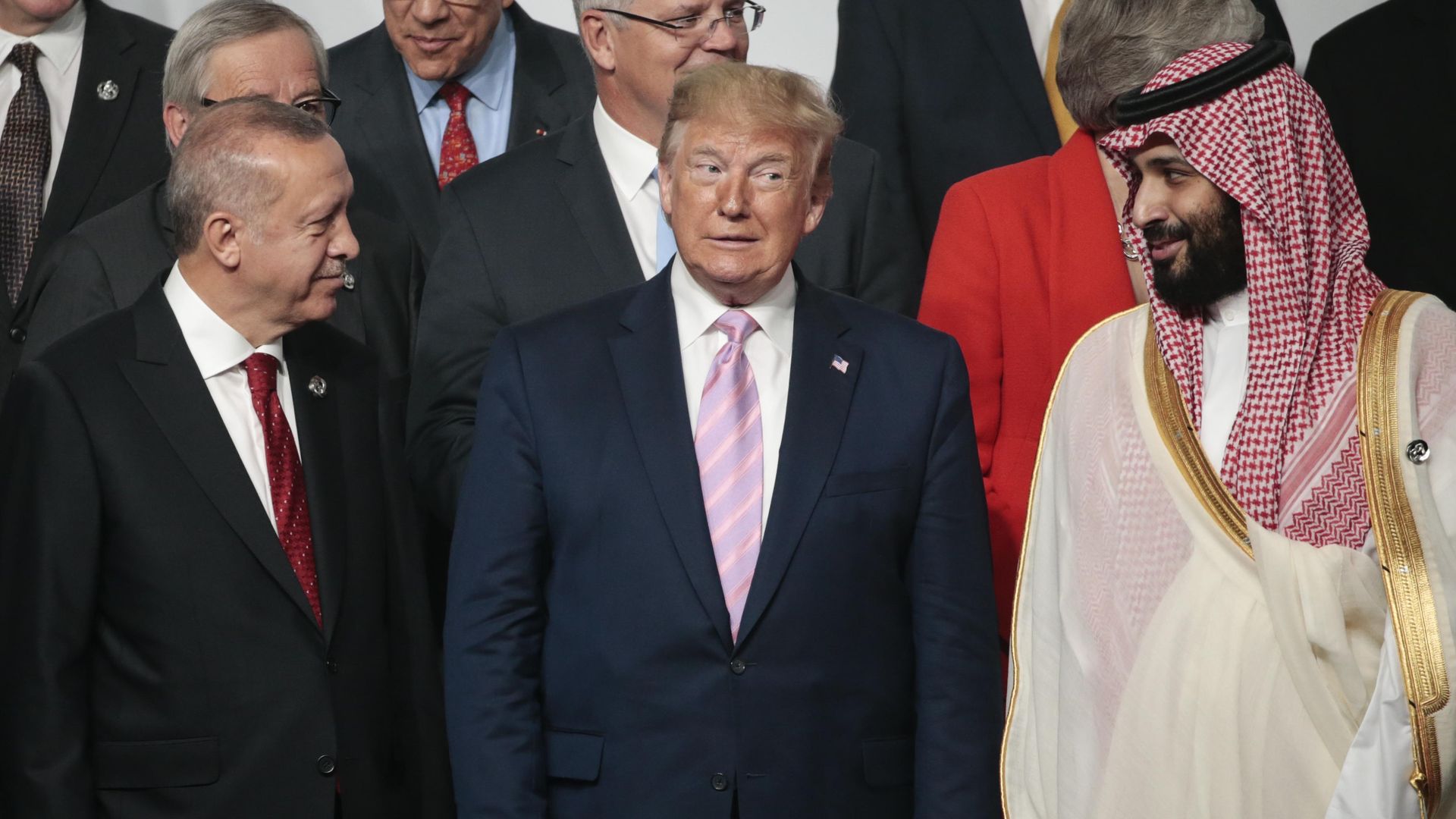
In a significant development aimed at de-escalating tensions in Eastern Europe, the United States is reportedly exploring plans to help establish and oversee a demilitarized buffer zone between Russia and Ukraine. According to sources cited by NBC News, this plan is currently in its early stages, with discussions ongoing and the precise boundaries of the zone still under consideration.
According to reports the buffer zone will be manned by forces from Saudi Arabia, Bangladesh and the seas to be patrolled by Turkey’s forces. However Russia’s response has to be taken into account with Putin having his own plans for the region and will not find it acceptable to see foreign forces in his sphere of influence.
Buffer Zone Manned by Saudi and Bangladesh
The proposed demilitarized zone (DMZ) would serve as a neutral area separating Russian and Ukrainian forces following years of intense warfare. Its primary goal would be to prevent renewed hostilities, reduce direct military confrontations, and provide a foundation for more stable peace negotiations between the two countries.
While the initiative is still evolving, early indications suggest that U.S. involvement would focus primarily on intelligence gathering and coordination, rather than deploying American troops on the ground. The U.S. would likely utilize its tech capabilities—such as satellites, surveillance drones, and electronic intelligence tools—to monitor activity within the zone and ensure compliance with demilitarization protocols.
One of the more notable aspects of the proposal is the potential deployment of peacekeeping forces from non-NATO countries, including Saudi Arabia or Bangladesh. The inclusion of non-aligned nations is intended to avoid provoking Russia, which has repeatedly expressed its opposition to the expansion of NATO presence along its western borders.
Saudi Arabia, a Middle Eastern nation with a growing diplomatic profile, and Bangladesh, a contributor to the United Nations peacekeeping missions, are both seen by Donald Trump and the US as acceptable mediators that can lend legitimacy to the effort without being perceived as a direct threat by Moscow.
This approach seems to be an attemot to demonstrate that the initiative is not driven solely by Western or NATO-centric interests, but also has other neutral parties involved.
Turkey’s Strategic Role in Maritime Security
As part of the broader stabilization plan, Turkey may be tasked with overseeing maritime security in the region, specifically by monitoring traffic through the Bosporus and Dardanelles straits. These narrow waterways serve as the only passage between the Black Sea and the Mediterranean, making them critical for Ukrainian exports, Russian naval access, and international trade.
Turkey, a NATO member with long-standing control over these straits under the Montreux Convention, could help ensure the uninterrupted passage of both commercial and humanitarian shipments while keeping military deployments in check. This would reinforce stability in the maritime domain and support broader peacekeeping objectives in the region.
Russian Response
President Putin has been explicit: Any foreign troops deployed to Ukraine—Western or otherwise—will be considered “legitimate targets” and could face strikes by Russian forces. This rhetoric applies before or after any peace deal.
He reiterated this stance at the Eastern Economic Forum in Vladivostok, highlighting that such deployments are “unacceptable.”
A Kremlin-linked FSB think tank document, though unofficial, outlines Russia’s hard-line demands:
No peace before 2026,
Recognition of Russia’s territorial gains (Crimea, Donbas),
No NATO affiliation for Ukraine,
No foreign peacekeepers,
Demolition of Ukraine’s current government structure.
This aligns with Russia’s consistent rejection of third-party troops in Ukraine.
Rather than opposing the concept entirely, Russia has floated the idea of establishing its own “security” or “sanitary” buffer zones on—or inside—Ukrainian territory, as a defense against Ukrainian or Western long-range strikes.
The idea of creating a buffer zone between warring nations is not new. Similar zones have been established in conflicts around the world—from the Korean Peninsula’s DMZ to UN-monitored ceasefire lines in the Middle East and Africa. However, the complexity of the Russia-Ukraine conflict, involving contested territories, international sanctions, and deep-seated political distrust, makes any such effort in Eastern Europe especially delicate.
The establishment of a DMZ would likely require robust international negotiations, particularly with Russia, which may view any U.S.-backed initiative with suspicion. Additionally, Ukraine would need guarantees that the buffer zone would not become a de facto recognition of lost territory or result in a frozen conflict that benefits Moscow.
The international community’s response to the proposal is expected to be mixed. Some allies may welcome the move as a step toward peace and stability, while others may express concern about legitimizing Russian territorial gains or undermining Ukraine’s sovereignty. However the most crucial factor here is Putin and Russia and this proposal might be seen as a major trigger for Moscow if the US attempts to follow through without Russia’s assent.