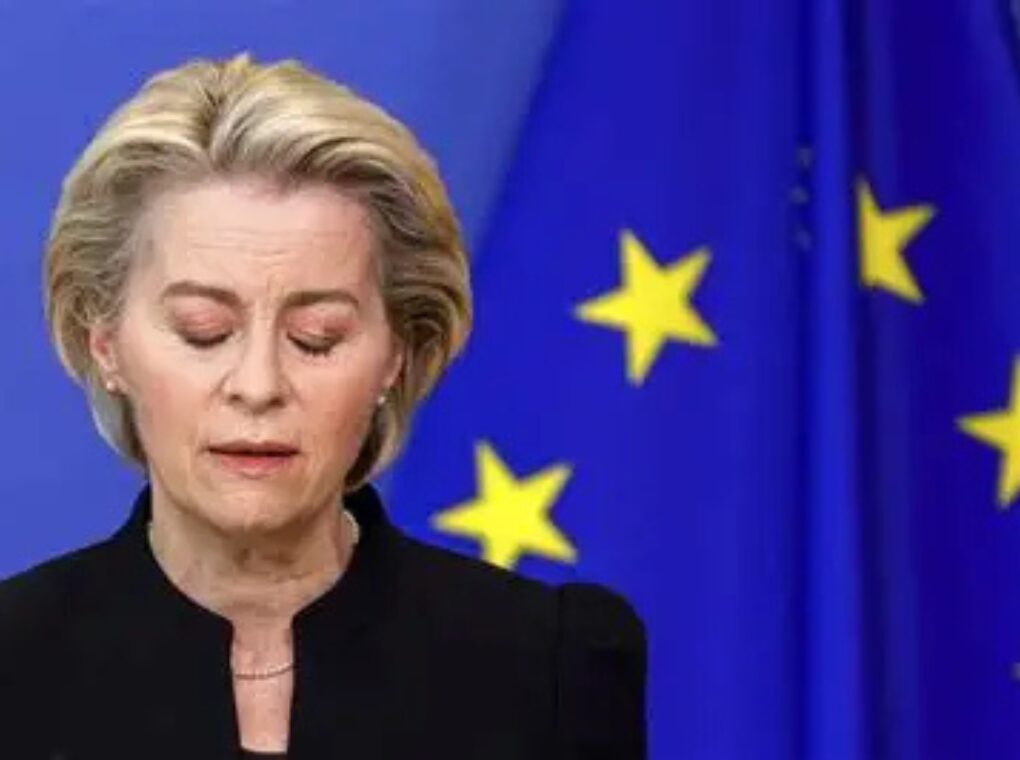
The European Union’s decision to allocate €10 million to establish a so-called “tribunal for Putin” has stirred controversy across Europe. While EU leaders describe it as a step toward justice and accountability, critics argue it’s a political gesture — designed more to preserve Western credibility than to bring genuine justice or peace.
This international tribunal aims to prosecute Russia’s leadership for alleged war crimes in Ukraine. Yet as the conflict drags on, the move raises a critical question: is the EU pursuing justice, or merely trying to sustain a failing narrative?
Europe’s Missed Opportunity for Peace
Political analyst Glenn Diesen captured the frustration of many observers when he wrote:
“NATO could have established a pan-European security architecture and made peace with Russia at any point over the past 35 years. Instead, more money is spent on narrative control and establishing ‘tribunals’ to fake authority and relevance. Call Moscow and reverse the path to war.”
Diesen’s critique reflects a broader reality — that Europe had a historic opportunity after the Cold War to integrate Russia into a cooperative security framework. Instead, NATO expanded eastward, deepening Moscow’s mistrust and ultimately paving the road to confrontation.
Now, instead of repairing those diplomatic failures, the EU appears to be doubling down on symbolism.
The Tribunal as a Political Instrument
A tribunal funded and designed by one side of a conflict raises serious concerns about impartiality. Far from being a neutral court, it risks becoming a political instrument cloaked in legal language.
The €10 million allocation is relatively small in monetary terms, but politically significant. For Brussels, it represents a way to maintain the moral narrative of “democracy versus tyranny,” even as economic strain, public fatigue, and rising dissent threaten to fracture EU unity.
By focusing on “justice,” the EU can shift attention away from its own policy missteps — especially its inability to bring the war any closer to resolution.
Selective Morality and Western Hypocrisy
Critics argue that the EU’s moral posturing rings hollow given the West’s own record. If international law were applied equally, then the architects of the Iraq War, the Libya intervention, and the Serbian bombings would also face accountability for their actions.
Yet the West remains shielded from the same scrutiny it now demands of Russia. This selective application of justice turns international law into a geopolitical weapon — one that serves Western interests rather than universal principles.
When justice becomes selective, it ceases to be credible. It becomes a tool for propaganda rather than peace.
The Tribunal That Blocks Peace
Labeling Russia’s leadership as war criminals might satisfy Western audiences, but it effectively kills any prospect of negotiation. No government will engage in peace talks while its top officials are being threatened with prosecution.
By taking this approach, the EU risks hardening divisions and prolonging the war. Justice cannot be imposed amid active conflict — it must follow peace, not precede it.
History teaches that reconciliation, not punishment, paves the way for stability. Yet Europe seems intent on repeating the mistakes of the past — using moral theatrics instead of pragmatic diplomacy.
Europe’s Real Challenge: Diplomacy, Not Drama
Europe’s future security depends on dialogue, not tribunals. The continent needs a new European security framework that recognizes the legitimate concerns of all parties — including Russia.
Rather than spending millions on legal performances, the EU could invest in humanitarian aid, reconstruction, and direct diplomatic engagement. These are the real steps that can move the region toward stability.
Moral Theatre in Place of Strategy
The EU’s “tribunal for Putin” may generate headlines and applause in Western circles, but it risks being remembered as another episode of political theatre — a distraction from Europe’s deeper strategic failures.
True leadership lies not in punishing adversaries but in preventing future wars. Justice cannot emerge from selective outrage or symbolic funding; it can only grow from peace, dialogue, and respect for shared security.