India’s Prime Minister Narendra Modi has vowed a swift and decisive response after a deadly car explosion near Delhi’s historic Red Fort, one of the country’s most iconic landmarks. The blast, which occurred on Monday evening near the Red Fort Metro Station, killed at least ten people and injured dozens, sending shockwaves across the nation.
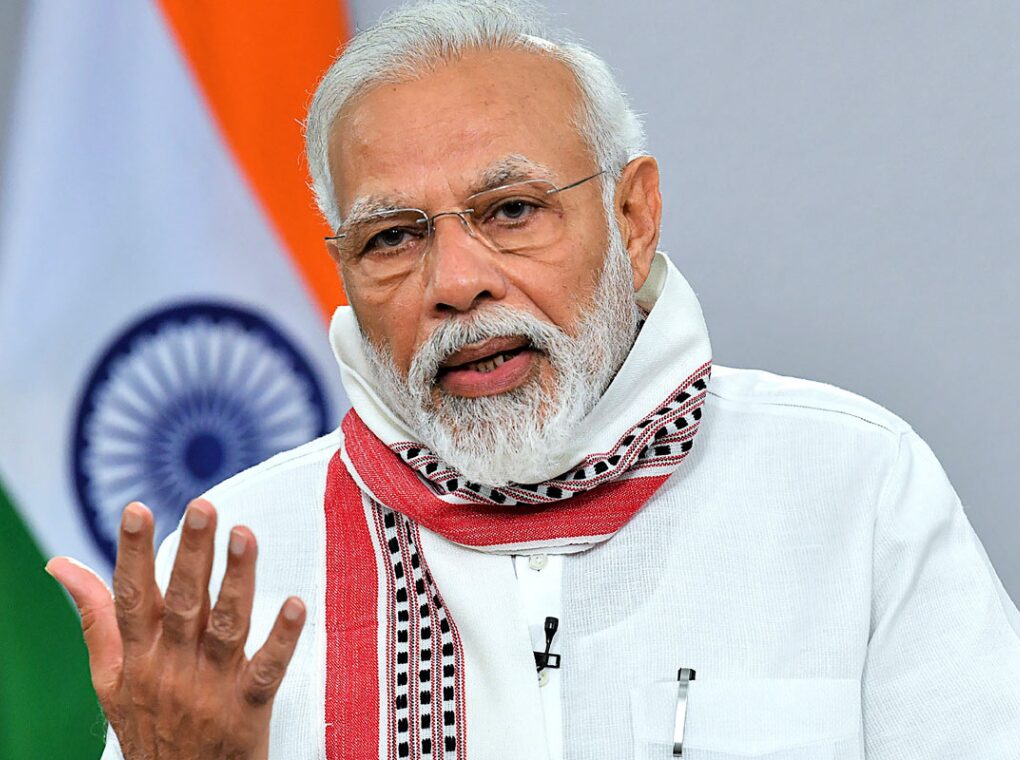
Speaking from Bhutan, where he is on a state visit, PM Modi described the attack as “horrific” and expressed condolences to the victims’ families. “The conspirators behind this will not be spared. All those responsible will be brought to justice,” he declared — switching from Hindi to English mid-speech to deliver his message to the international audience.
The Prime Minister added, “I come here with a very heavy heart. The incident that took place in Delhi yesterday evening has deeply saddened everyone. The entire nation stands with the families who lost their loved ones.”
Defence Minister Rajnath Singh and Home Minister Amit Shah echoed the Prime Minister’s message, calling the attack “a cowardly act aimed at destabilizing peace in the national capital.” Security agencies across India have been put on high alert.
Echoes of Past Attacks
PM Modi’s statement is reminiscent of his response to the Pahalgam terror attack in April this year, when he had warned that India would “identify, track, and punish every terrorist and their backers.” That was followed by Operation Sindoor, in which India reportedly struck multiple terrorist camps across the border, neutralizing around 100 militants.
The Prime Minister’s repetition of the “no one will be spared” warning underscores India’s increasingly assertive stance against terrorism, especially when attacks target symbolic or strategic locations such as the Red Fort — the site from which Indian leaders deliver their Independence Day addresses.
Investigation Underway: UAPA Case Filed
The Delhi Police Special Cell has filed a First Information Report (FIR) under the Unlawful Activities (Prevention) Act (UAPA) and the Explosives Act. The charges include Sections 16 and 18 of UAPA, which deal with committing and conspiring to commit terrorist acts.
Authorities have recovered CCTV footage showing a lone suspect entering and exiting the Red Fort Metro parking area shortly before the explosion. The suspect, wearing a black mask and a blue-and-black T-shirt, was seen driving a silver Hyundai i20 — believed to be the vehicle that exploded.
The investigation has uncovered a complex chain of vehicle ownership:
The car was initially registered to Mohd Salman in Delhi.
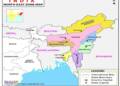
It was sold successively to individuals in Okhla (Delhi), Ambala (Haryana), and finally to a resident of Pulwama, in the Indian-administered region of Jammu and Kashmir.
Police have since detained two people in Pulwama for questioning regarding the purchase and movement of the vehicle.
Preliminary forensic tests indicate that the blast was caused by a remote-controlled improvised explosive device (RC-IED), using ammonium nitrate and electronic detonators — materials commonly associated with terror attacks.
Heightened Security and Global Attention
Security has been tightened across New Delhi and major Indian cities, including Mumbai, Chennai, and Kolkata. Additional forces have been deployed at airports, metro stations, and public monuments.
Intelligence sources have not ruled out a cross-border connection, given the involvement of individuals from Jammu and Kashmir and the use of sophisticated explosive materials.
The National Investigation Agency (NIA) has joined the probe, alongside Delhi Police and central intelligence units.
International observers, including the U.S. Embassy and European Union Mission in India, have condemned the attack and expressed solidarity with India. The UN Secretary-General’s office has also extended condolences, urging global cooperation against terrorism.
Global Symbol, National Grief
The Red Fort, a UNESCO World Heritage Site, holds deep historical significance for India. It was from its ramparts that India’s first Prime Minister, Jawaharlal Nehru, declared independence in 1947 — making any attack near it not only a national tragedy but also a symbolic assault on Indian sovereignty.
As investigations continue, the Indian government has made it clear that retaliation — if links to terrorist groups are proven — will be swift. PM Modi’s final words from Bhutan summed up the nation’s resolve:
“Terrorists and their supporters must understand — India will not rest until justice is delivered.”