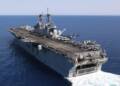
A Russian missile and drone attack on Ukraine’s southern port infrastructure has damaged a Turkish-owned civilian cargo vessel, raising tensions in the Black Sea and drawing attention to the growing risks faced by neutral shipping amid the ongoing Russia–Ukraine war.
On December 12, Russian forces launched a coordinated strike using drones and missiles against port facilities in Ukraine’s Odesa region, including the ports of Odesa and Chornomorsk. Among the vessels affected was the Panama-flagged roll-on/roll-off ship CENK T, operated by Turkish shipping company Cenk Denizcilik. The ship caught fire shortly after being struck while docked at Chornomorsk port.
Ukrainian emergency services confirmed that firefighters and port crews managed to contain the blaze. No crew members were reported injured, though Ukrainian officials said one private company employee was wounded in related strikes on port infrastructure. In total, Ukrainian authorities stated that three Turkish-owned vessels sustained damage during the attack.
Conflicting Accounts Over Cargo
The ship’s operator said the CENK T was carrying food supplies, including fresh fruits and vegetables, on its regular route between Turkey’s Karasu port and Ukraine. Ukrainian President Volodymyr Zelenskyy condemned the strike as an attack on civilian infrastructure, stating that the vessel had “no military purpose whatsoever.”
However, pro-Russian media and commentators claimed the ship was transporting AKSA-branded electric generators, produced by a Turkish manufacturer, suggesting the cargo may have been intended to support Ukraine’s energy sector amid continued Russian strikes on power infrastructure. These claims have not been independently verified, and neither the ship’s operator nor Ukrainian authorities have confirmed the presence of generators or military-related cargo.
International media outlets including Reuters and the BBC reported that there is currently no evidence the vessel was carrying weapons or military equipment.
Context: Rising Maritime Tensions
The incident comes amid a sharp escalation of maritime confrontations in the Black Sea. In late November, Ukraine intensified its campaign against Russia’s so-called “shadow fleet”—oil tankers accused of helping Moscow evade Western sanctions. Ukrainian naval drones struck several Russia-linked tankers, including the Kairos and Virat, in international waters within Turkey’s Exclusive Economic Zone, approximately 30 nautical miles off the Turkish coast.
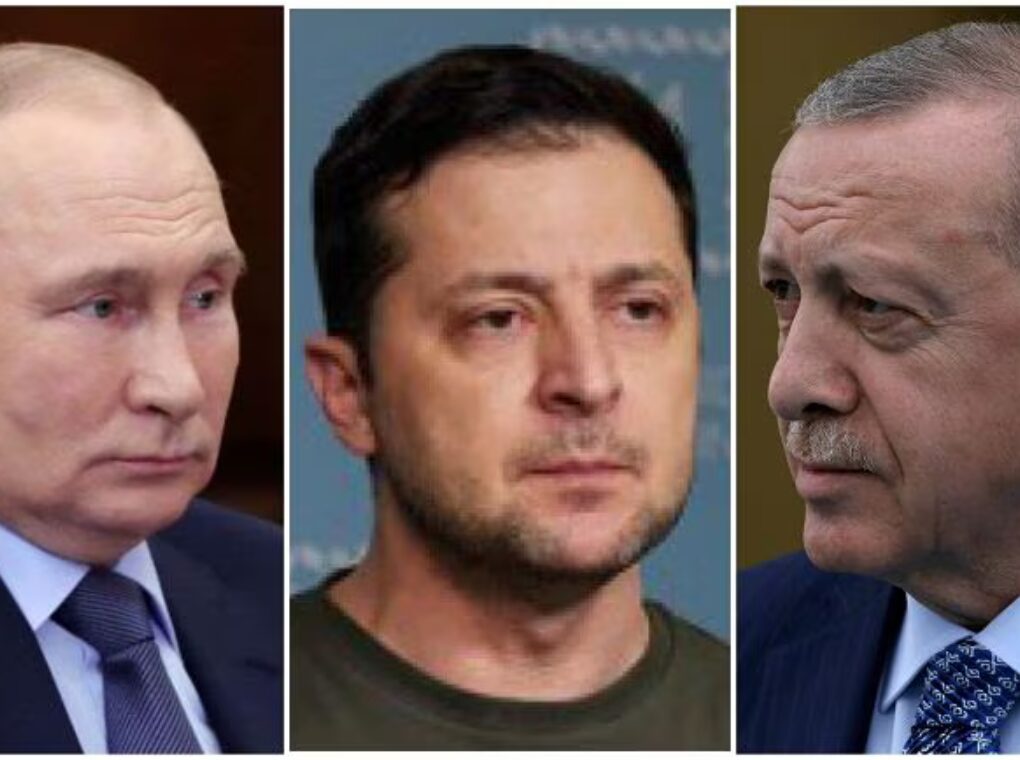
Those attacks prompted concern in Ankara, which warned of environmental and security risks, and drew a strong response from Moscow. Russian President Vladimir Putin accused Ukraine of “maritime terrorism” and warned earlier this month that Russia would step up strikes on Ukrainian ports and take action against vessels aiding Kyiv’s war effort.
Maritime security analysts have described the December 12 strike on the CENK T as potentially linked to this broader tit-for-tat escalation, though Russia has not officially acknowledged the incident as retaliation.
Turkey’s Delicate Position
Turkey occupies a strategically sensitive role in the conflict. As a NATO member controlling access to the Black Sea through the Bosphorus Strait, Ankara has sought to balance its relations with both Kyiv and Moscow. Turkey has supplied military equipment to Ukraine, including drones, while also maintaining trade and energy ties with Russia and refusing to join Western sanctions.
Turkish officials have denied any involvement in Ukrainian attacks on Russian shipping. The Turkish Foreign Ministry issued a measured statement following the incident, expressing concern for maritime safety and reiterating calls for an end to attacks on civilian shipping, ports, and energy infrastructure.
“No Turkish citizens were harmed,” Turkish officials said, adding that Ankara was closely monitoring the situation through diplomatic channels.
Diplomatic Sensitivities
The timing of the strike has drawn attention due to ongoing diplomatic activity. The attack occurred while U.S.–Russia discussions on potential peace frameworks were underway in Moscow, though those talks reportedly failed to produce any concrete breakthroughs.
Separately, Turkish President Recep Tayyip Erdoğan had held discussions with President Putin in the days leading up to the strike, proposing limited arrangements to avoid attacks on port and energy infrastructure. The subsequent damage to a Turkish-linked vessel has raised questions about the durability of such understandings amid intensifying hostilities.
Broader Implications for Black Sea Trade
The incident underscores the growing dangers facing commercial shipping in the Black Sea. Insurance premiums for vessels operating in the region have continued to rise, and several shipping companies are reassessing routes amid fears of further escalation.
Analysts warn that continued attacks on ports and civilian vessels could disrupt grain exports, energy flows, and regional trade, with global economic consequences. The involvement of ships linked to neutral or third-party countries also raises the risk of broader international entanglement.
As of December 13, no further strikes have been reported, and Russia has not issued an official statement specifically addressing the damage to the CENK T. However, the episode highlights how the Black Sea has evolved from a vital commercial corridor into a highly contested maritime theater, where even neutral actors face increasing exposure to the conflict.