
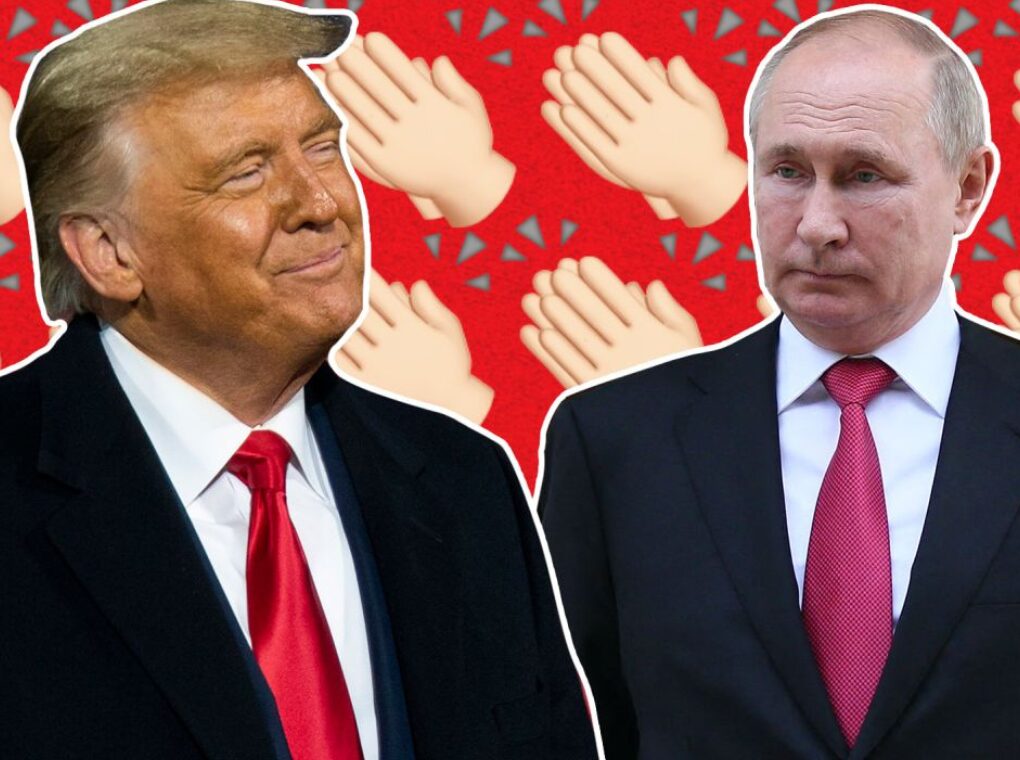
The United States is preparing a fresh round of sanctions against Russia if the Kremlin refuses to accept a newly proposed peace deal for Ukraine, according to a Bloomberg News report. The move reflects growing impatience in Washington and among its allies as diplomatic efforts to end the war face continued resistance from Moscow.
New Peace Proposal Backed by Europe and the U.S.
On Monday, Ukraine and its European allies reached a new peace proposal aimed at securing what leaders described as a “just and lasting peace.” Officials confirmed that the framework includes security guarantees for Ukraine supported by both European nations and the United States.
In a joint statement, European leaders welcomed Donald Trump’s efforts to advance peace talks, saying the proposal is designed to prevent future aggression and stabilize the region. The plan represents a coordinated Western approach, combining political, military, and security assurances for Kyiv.
European-Led Multinational Force for Ukraine
A key feature of the proposal is the creation of a European-led multinational force to support Ukraine. According to officials familiar with the plan, the force would help secure Ukrainian airspace, ensure maritime safety, and assist in rebuilding and strengthening Ukraine’s armed forces.
European leaders argue that such a force would act as a deterrent against renewed hostilities while avoiding a direct escalation of the conflict.
Russia’s Longstanding Opposition to NATO Presence
Russia has repeatedly made clear that it will not accept any peace agreement involving NATO troops or Western military forces on Ukrainian soil. The Kremlin views such deployments as a direct threat to its national security.
Given this stance, diplomats widely expect Moscow to reject the latest proposal, continuing a pattern seen with previous peace initiatives that included Western security guarantees for Ukraine.
Sanctions Targeting Russia’s Energy Sector
Unlike earlier diplomatic efforts, a Russian rejection this time could trigger more severe consequences. Bloomberg reported that the U.S. administration is finalizing a new sanctions package primarily aimed at Russia’s energy sector, which remains a crucial source of revenue for the Kremlin.
Options under consideration reportedly include sanctions on vessels linked to Russia’s so-called “ghost fleet” of oil tankers. These ships are believed to help Russia bypass existing sanctions and price caps by operating with unclear ownership and insurance arrangements. Measures against traders and intermediaries accused of facilitating Russian oil exports are also being examined.
Kremlin Warns Against Further Sanctions
The Kremlin responded by warning that additional U.S. sanctions would undermine efforts to improve relations between Washington and Moscow. Russian officials have consistently argued that sanctions are counterproductive, claiming they disrupt global energy markets and hinder diplomatic engagement rather than encouraging compromise.
Congress Pushes for Tougher Action
As the administration reviews its options, pressure is also building in the U.S. Congress. A bipartisan group of senators has introduced the Reducing Russian Oil Profits Act, known as the DROP Act, aimed at tightening restrictions on Russia’s oil revenues.
The bill was introduced on December 16 by Republican Senator Dave McCormick, Democratic Senators Elizabeth Warren and Chris Coons, and Republican Senator Jon Husted.
What the DROP Act Proposes
According to a statement from the sponsors, the DROP Act would obligate President Donald Trump to impose sanctions within 90 days on any buyers, transporters, or intermediaries involved in trading Russian oil products. Supporters argue that cutting off oil revenues is essential to limiting Russia’s ability to finance its war effort.
High Stakes for Diplomacy and Global Markets
As diplomatic efforts continue, the coming days could prove critical. If Russia rejects the peace proposal as expected, the U.S. appears ready to escalate economic pressure. Whether tougher sanctions will push Moscow toward negotiations or further harden positions remains uncertain, but the outcome will have significant implications for Ukraine, European security, and global energy markets.